Photo: Supplied.
Blocked drains are one of those household problems that are easy to ignore until they are suddenly not. What starts as a slow sink or a strange gurgling noise can quickly turn into overflowing drains, bad smells, and water where it definitely shouldn’t be.
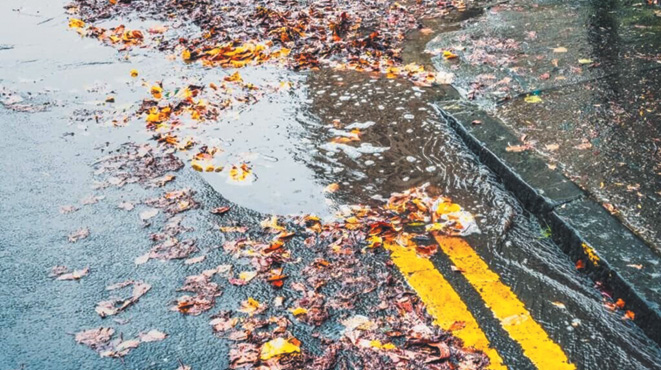
Most blockages do not happen overnight. In kitchens, grease, oils, and food scraps slowly accumulate in pipes. Bathrooms tend to cop it from hair and soap residue. Outside, leaves, dirt, and tree roots are common causes, especially after heavy rain when stormwater systems are working overtime.
The tricky thing with blocked drains is that they rarely sort themselves out. When water cannot flow properly, pressure builds up in the pipes, which can lead to cracks, broken joints, or even sewage backing up into the home. Aside from being unpleasant, these issues can be expensive and stressful to deal with.
The good news is that prevention does not have to be complicated. Being careful about what goes down the drain goes a long way. Avoid pouring grease down sinks, use simple strainers in showers and basins, and keep outdoor drains clear of leaves and debris. Having drains checked from time to time can also help catch problems early. With modern camera inspections, plumbers can see exactly what is going on underground without digging things up.
If you notice slow drainage, ongoing blockages, unpleasant smells, or water pooling outside, it is best not to put it off. Fixing the issue early is usually quicker, cleaner, and far cheaper than dealing with an emergency later on.
Blocked drains might seem minor at first, but looking after them can save a lot of trouble and keep your home running smoothly.
FROM A GRADE PLUMBING AND GAS