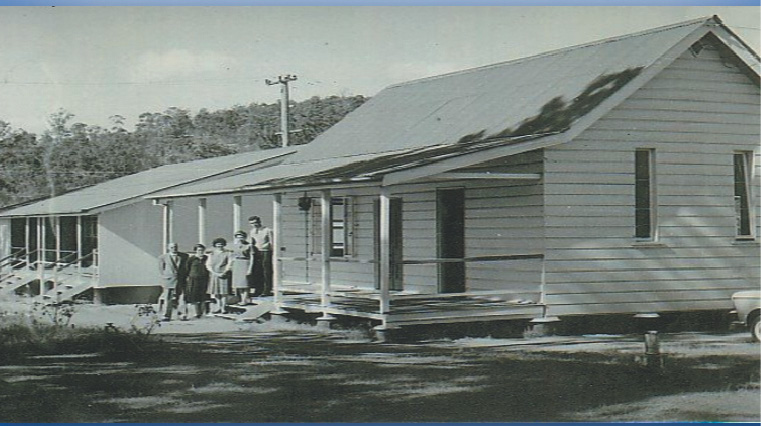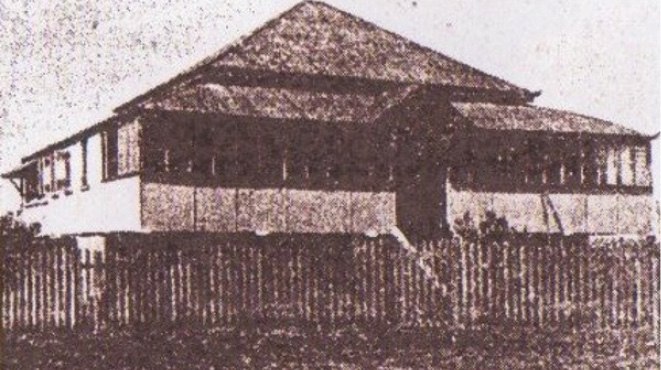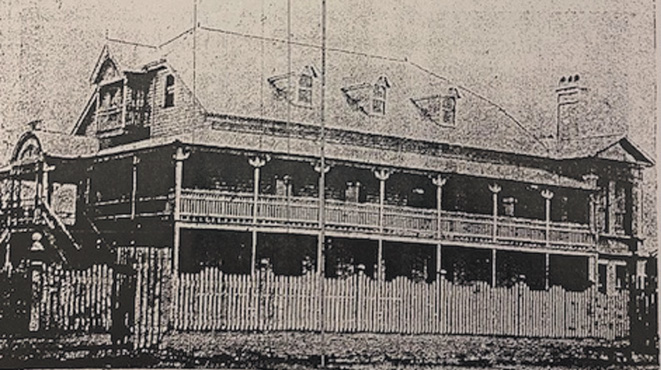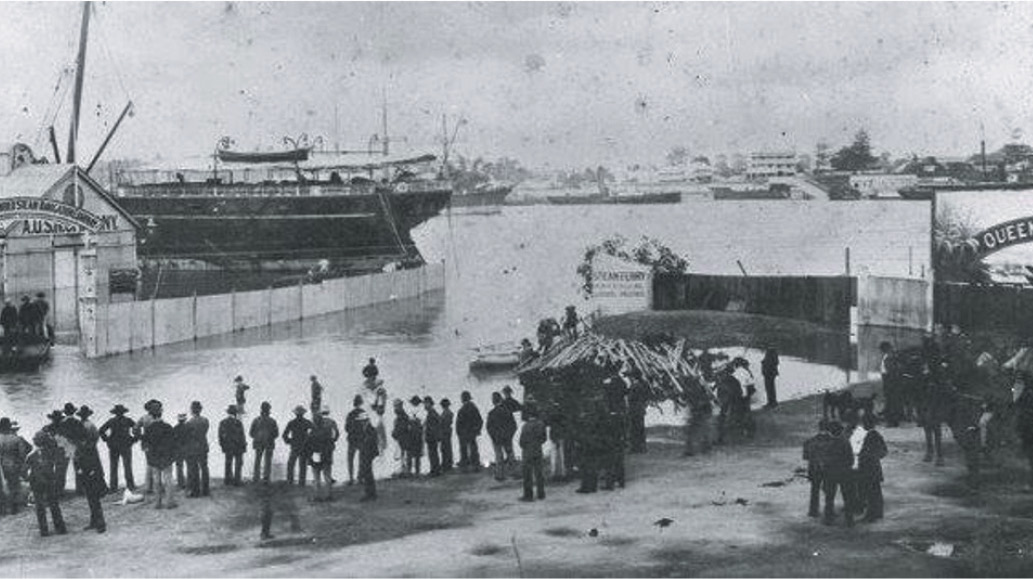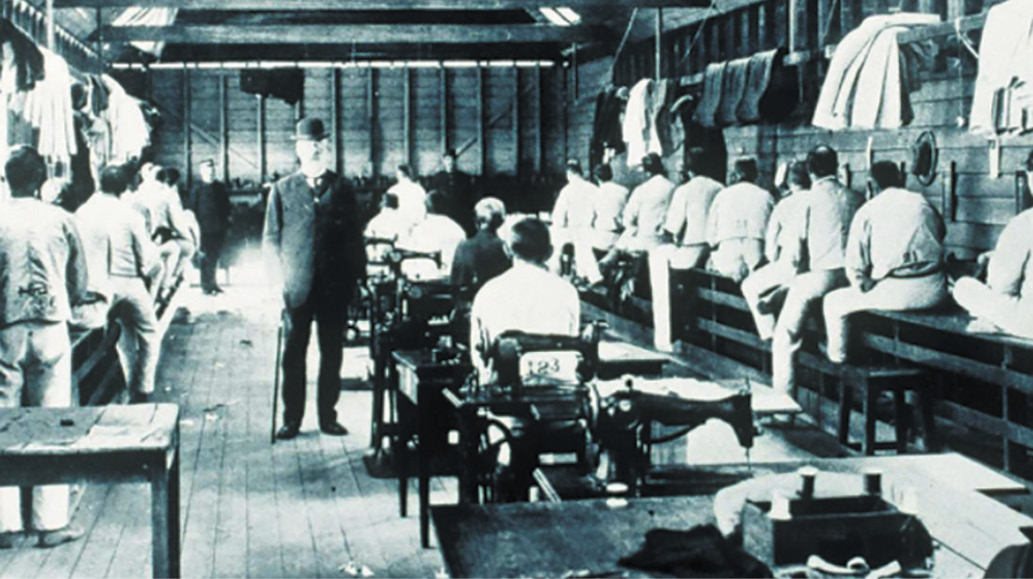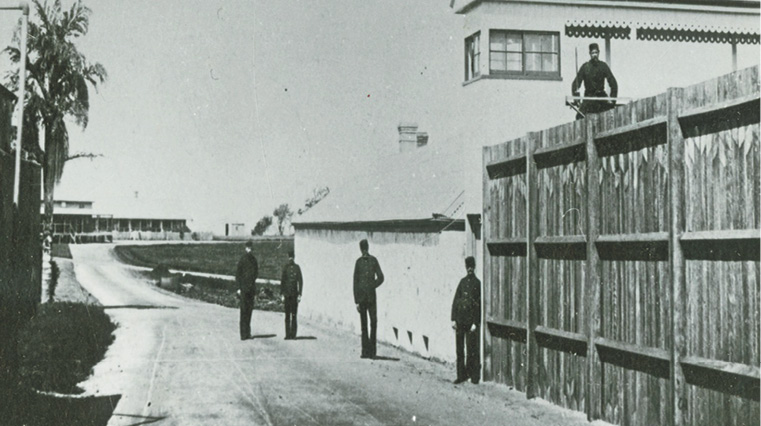
Prisoner Stockade surrounded by a 14-foot wooden fence. Photo: Supplied.
BY DR IAN PATTERSON, FORMERLY ASSOCIATE PROFESSOR IN TOURISM MANAGEMENT, UNIVERSITY OF QUEENSLAND
With the Brisbane Summer Olympic Games only six years away, the Queensland Government has wasted an opportunity to restore a major tourism attraction: the St Helena Island Penal Settlement. You only have to compare it with Alcatraz Island off the coast of San Francisco. In 1934, the island was converted into a Federal Penitentiary and is now one of San Francisco’s major tourist attractions, attracting between 1.2 and 1.7 million visitors annually.
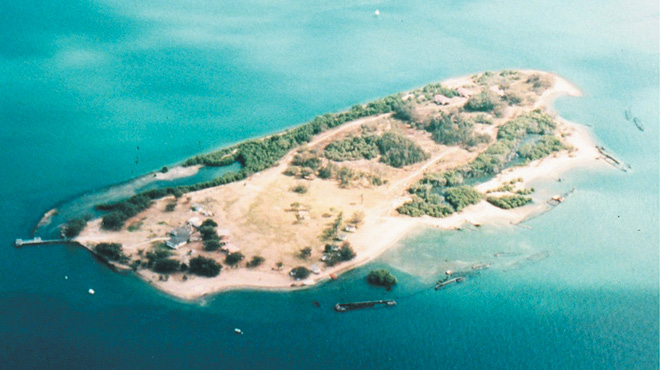
St Helena Island is located in Moreton Bay off the coast of Wynnum/Manly, approximately 21 kilometres east of Brisbane and 4 kilometres east of the mouth of the Brisbane River. The island has a rich history as an Aboriginal archaeological site: Aboriginal middens record that local Aboriginals visited the island to hunt dugongs and flying foxes and to gather shellfish.
Local Aboriginals called the island Noogoon, meaning the place of the flying fox. Local fishermen hunted dugong around the island for their meat and oil, which were exported to England for medicinal purposes.
The penal settlement between 1867 and 1932 was once described as the ‘Hell hole of the Pacific’.
The actual penal settlement was built by prisoners themselves, sinking wells, clearing scrub, quarrying stone for the stockade, and constructing surrounding buildings. In the beginning, a Superintendent and a staff of 12 wardens controlled 60 male prisoners, a number that increased to 300 by 1900.
The prisoners were kept busy by clearing vegetation and planting maize and vegetable crops. Sheep and cattle provided much of the island’s food requirements. A sugar mill crushed over 75 tonnes of locally grown sugar by 1880. In the 1890s, trade workshops were established that taught carpentry, boot making, tailoring, saddle making and butchery.
Punishments were severe, such as the ‘shot drill’ where prisoners carried a 24 lb. cannonball continuously for an hour; leg irons were used; and solitary confinement in underground cells was sometimes used for the more uncontrollable prisoners. In 1891, there were 17 murderers, 27 guilty of manslaughter, and 26 incarcerated for stabbings and shootings among the prisoners.
St Helena housed several prisoners from the Australian Shearers Strike of 1890 who were sentenced to three years’ imprisonment. These included Julian Stuart, George Taylor and William Hamilton, who later became Labor members of parliament. William Hamilton was elected President of the Queensland Legislative Council in 1920.
In 1921, the government announced that the prison was to be phased out and become a farm colony for well-behaved and trusted prisoners, and by 1932, the last prisoner left the island.
In 1979, the Island was gazetted as a National Park, and in 1980 as a Historic Area managed by the Department of Environment and Conservation for its historic value.
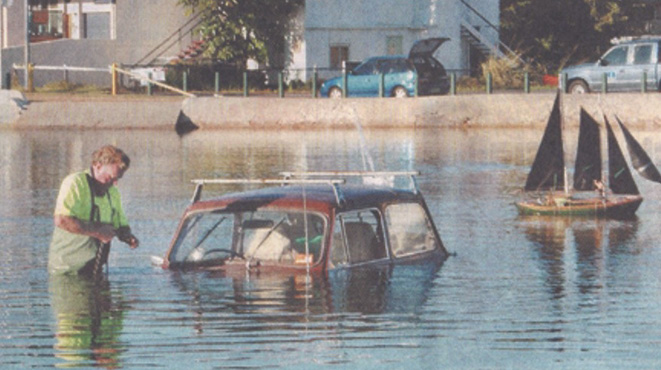
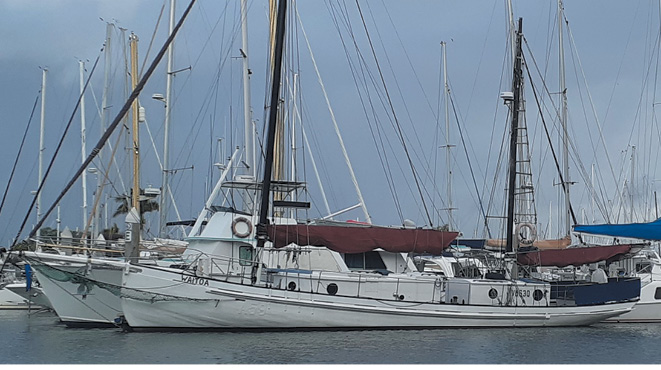
Between 1982 and 2025, a private operator ran a catamaran called the ‘Cat o’Nine Tails’ between the island and the mainland. However, in August 2025, it sank at its moorings in Manly Harbour. Since then, day tours are no longer available, and the island is now devoid of any visitors.
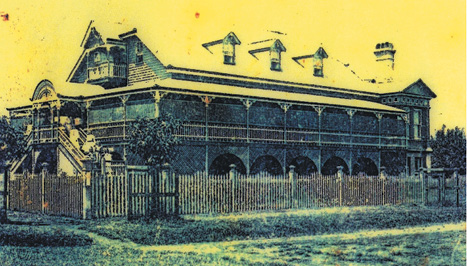
What a waste of a wonderful opportunity to show overseas visitors coming to Brisbane for the Olympic Games, the island that for 67 years was a penal settlement that housed over 300 prisoners. Unfortunately, many of the original buildings have been dismantled or destroyed; only 7% of the original structures remain, and those were built from beach rock or brick. The State Government or private entrepreneurs should invest in restoring and rebuilding the original structures based on the initial plans, to develop it as a working penal settlement that the tourism industry will be proud of.