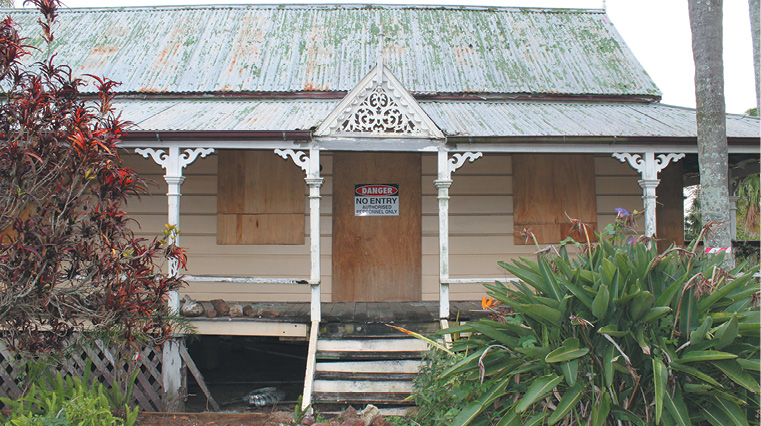
Photo: Supplied.
BY JAN NARY
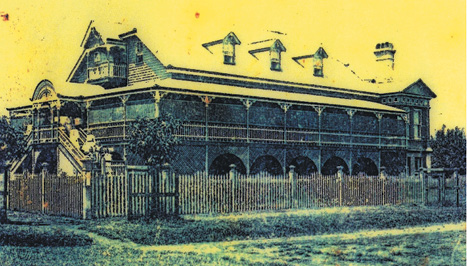
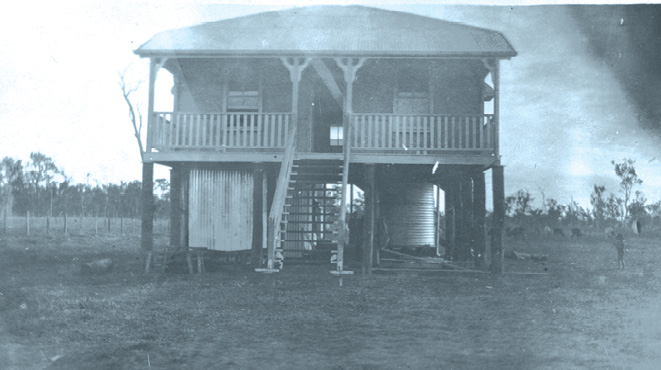
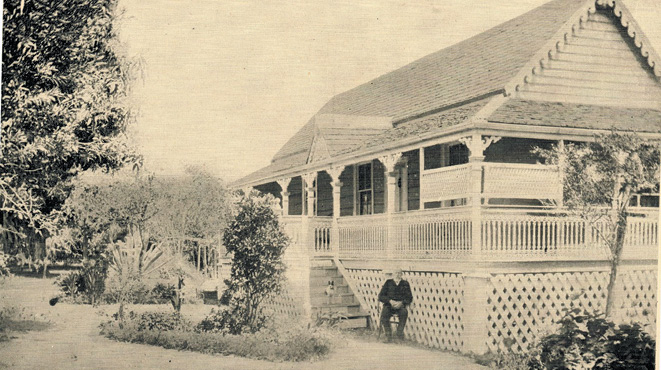
Little did James and Margaret Willard imagine that their small bark hut in the Birkdale bush would one day become a significant historic landmark. Settlers on land that had been lived on and utilised for centuries by the Quandamooka people, the Willards were granted full title in 1863, the first written evidence of that portion of the farm being allocated to a European settler.
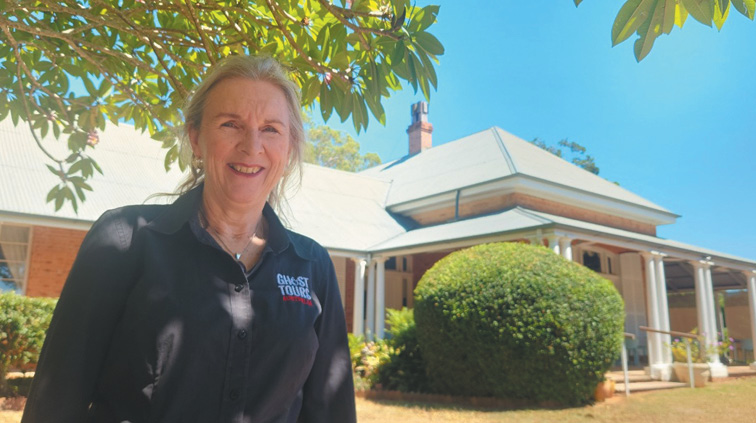
Kristianne Bucknell, Local History Advisor for Redland City Council, says that putting together the history of early white settlement is an exciting challenge.
“The next step for James Willard and his brother was a license to clear timber from the land, which they intended to use as a dairy farm. They had a sawpit on the land so they could fell and trim the timber, then send it down by bullock dray to the sawmill to be sold.
“South Sea Islanders were often brought to Australia under deceptive contracts, and we know that James Willard, who employed South Sea Islanders, was actually taken to court over such a pay dispute. There’s a lot of research still to be done, and it’s exciting to see that story unfold. There’s a potential local history research project for a university student!”
James and Margaret had 11 children. Family deaths, including James’, resulted in Margaret having to care for orphaned nieces and nephews, and in 1927 she converted the property to a share farm basis. The property changed hands in 1938 and again in 1941.
One of the notable people to live on the property – probably as an accepted squatter – was Isabella Alcock. Known locally as the Goat Lady, she was skilled in animal husbandry, and she and her mother ran a small dairy of goats and cows on the northern part of the land from about 1953. Kristianne says that Cleveland Library would love to hear from anyone with anecdotes, artefacts, or photos about the Goat Lady.
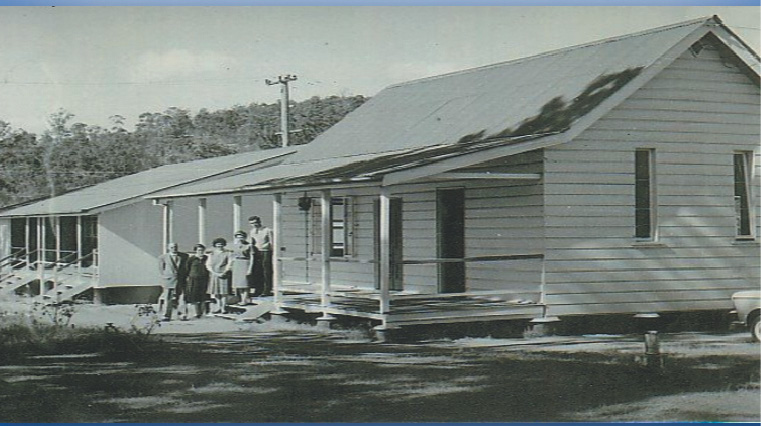
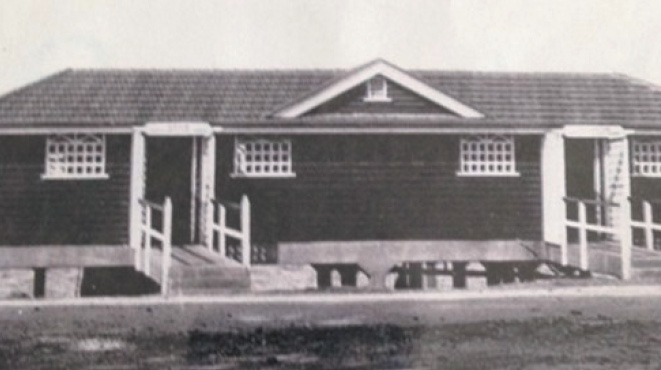
It gained distinction in WW2 as General MacArthur’s Radio Receiving Station, where the news was received that the Japanese Imperial forces had surrendered.
Council purchased the property in 2016, and after years of community advocacy, it was entered into the heritage register in 2022 and is now gradually being opened to the public.
The library’s local history team will give a presentation on this fascinating site, with behind-the-scenes images and a special video walk-through of the property, on Saturday, 1 August, from 9:30am to 11:00am at Cleveland Library. The event is free; however, bookings are required.