BY DR NICKY THOMAS, WYNNUM MANLY VETERINARY HOSPITAL
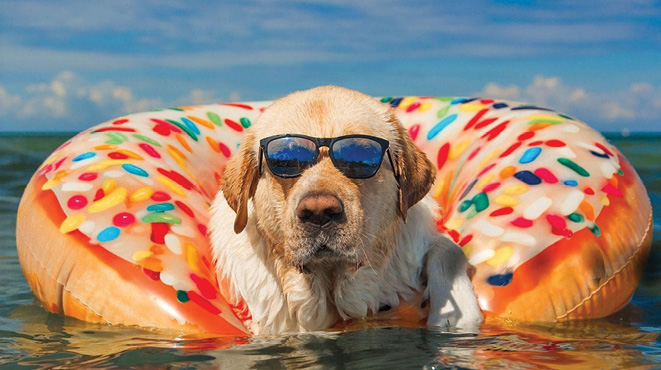
 As the weather warms up, we start to look forward to beach days. Many dogs love the chance to enjoy a day at the beach, but there are some important safety considerations to make sure the trip doesn’t end in a vet visit!
Salt water ingestion
Dogs will often lap at seawater or inadvertently swallow a large volume of water while swimming or retrieving toys. Excess consumption of salt water can result in salt toxicity with signs including vomiting, diarrhoea, excessive thirst, confusion, and seizures. Provide your pet with clean, fresh water, and make sure you give them a thorough rinse in fresh water to remove excess salt from their coats.
Sand ingestion
Dogs will often consume sand when playing, especially when digging for buried toys. Swallowing a large volume of sand can result in a condition called sand impaction, which can cause vomiting, reduced appetite, bloating, and constipation. Discourage dogs from eating sand and avoid playing with toys in softer sand.
Heat stroke
Bright sun and hot sand during the day, combined with excessive activity, can rapidly lead to heat stroke. It is best to avoid the beach during the hotter part of the day, and do not walk dogs on hot sand. If you suspect your dog is overheating, move to a shady, cooler area and offer them water to help cool them down.
Sun burn
Dogs with light-coloured coats and thin skin can become sunburnt. Keep your dog out of the sun between 10am and 4pm and provide shade when on the beach for any extended period. Dog-safe sunscreen can be applied to exposed, less furred areas such as the ears, nose, and belly.
Fishing hooks, lines, and baits
Dogs can be at risk of serious injuries from ingestion of fishing tackle. If your dog swallows a fish hook, DO NOT cut any attached line. Cover any exposed hooks to prevent trauma from licking and seek veterinary attention. Keep a close watch on your dog while around fishing areas, as preventing access to fishing equipment is preferable to expensive surgery to retrieve it from your dog’s gastrointestinal tract!
Animal encounters
Our lovely bayside area is home to a number of marine creatures that are best avoided. Puffer fish ingestion and contact with stone fish can result in life-threatening toxicities, while oyster shells can result in nasty wounds on soft paws. Be alert to your surroundings and supervise dogs carefully.