BY DR NICKY THOMAS, WYNNUM MANLY VETERINARY HOSPITAL
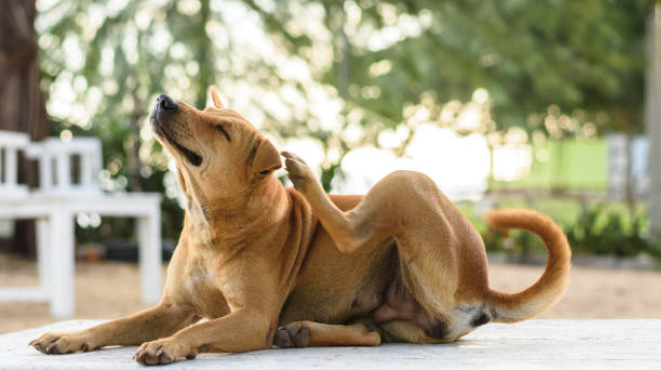
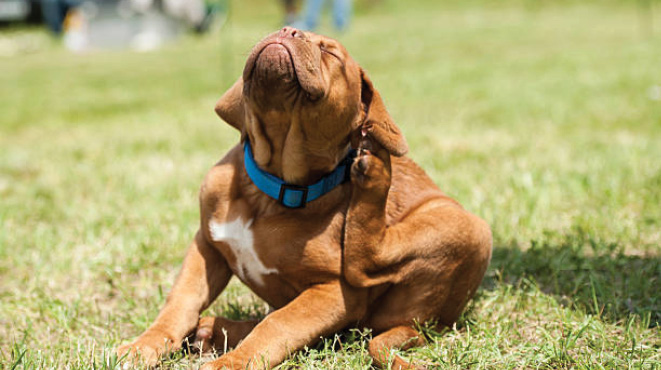
 Conjunctivitis is a condition affecting the lining of the eyes. The moist, pink tissue lining the eyelids (including the third eyelid in dogs and cats) becomes red, swollen, and uncomfortable. Pets may blink and squint frequently and develop a watery to cloudy yellow/green discharge. Further signs such as itching, hair loss around the eyes, discharge from the nose, sneezing, and coughing may develop depending on the cause of the conjunctivitis.
Causes of conjunctivitis
Allergic conjunctivitis is common in dogs and cats. Common allergies that may cause conjunctivitis include:
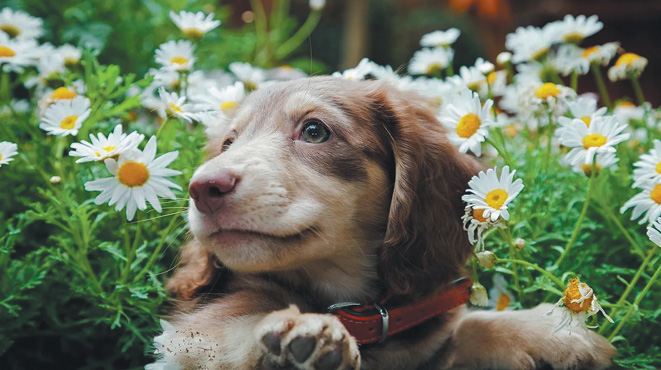
- Grass or pollen
- Dust mites
- Food allergies
- Household moulds
Infectious conjunctivitis occurs more commonly in cats than in dogs – herpesvirus and chlamydia are two viral infections that can present with signs including conjunctivitis
Treatment of conjunctivitis
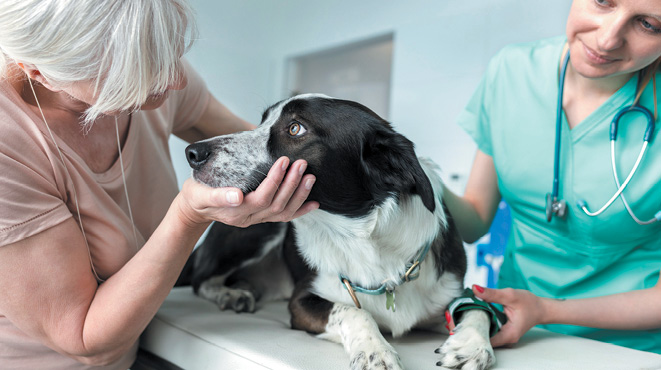
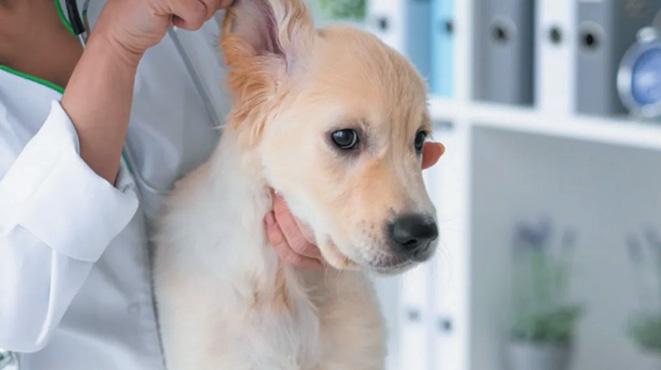
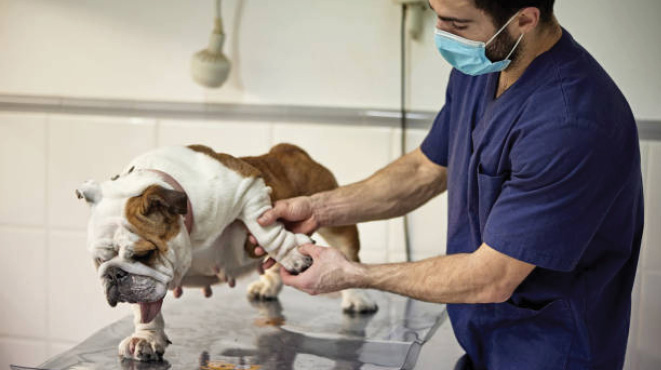
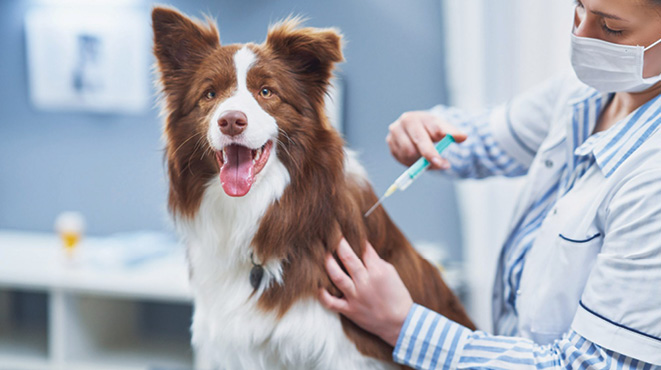
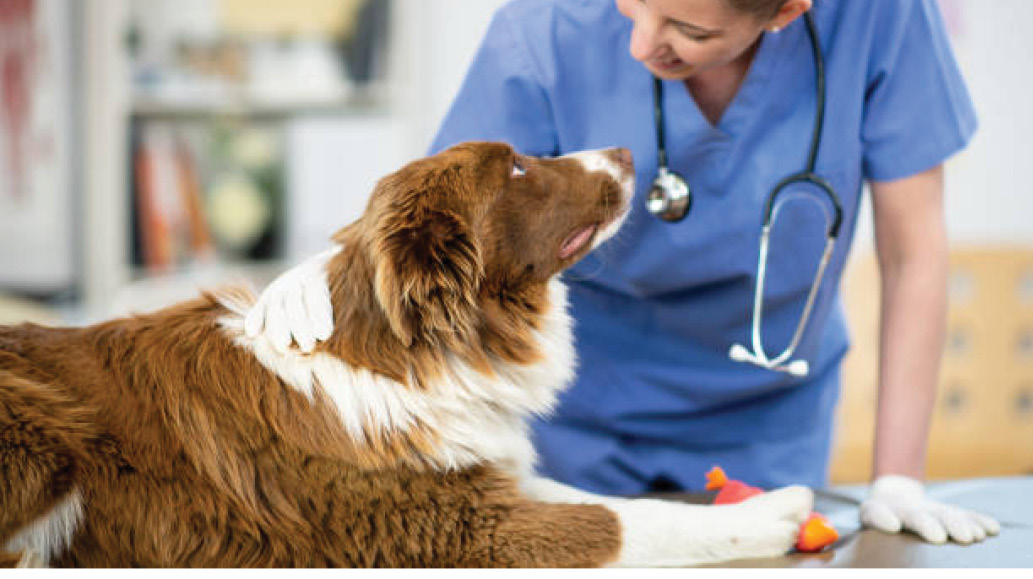
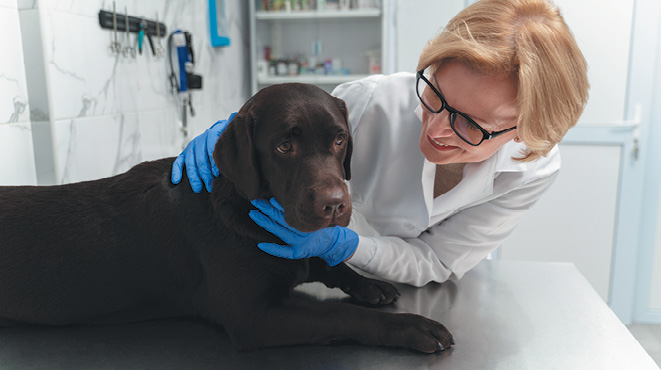
Taking your pet for a vet check is important if they are showing signs of conjunctivitis, as the treatment will vary depending on the cause of the condition and whether there are other clinical signs associated.
Your vet will check your pet for the presence of any corneal ulceration. This involves placing a fluorescent dye in the eye to assess for injuries to the cornea.
Medicated drops will likely be prescribed – if there is no ulceration present, these medications will contain an anti-inflammatory to help reduce the swelling and irritation.
The eye should be kept clean and free of discharge with saline.
An Elizabethan collar may be required to prevent rubbing and further trauma to the eye and surrounding tissues. Anti-histamines may be useful to help reduce irritation.