BY DR NICKY THOMAS, WYNNUM MANLY VETERINARY HOSPITAL
 Destructive chewing is a very common problem in both puppies and adult dogs.
Why do dogs chew?
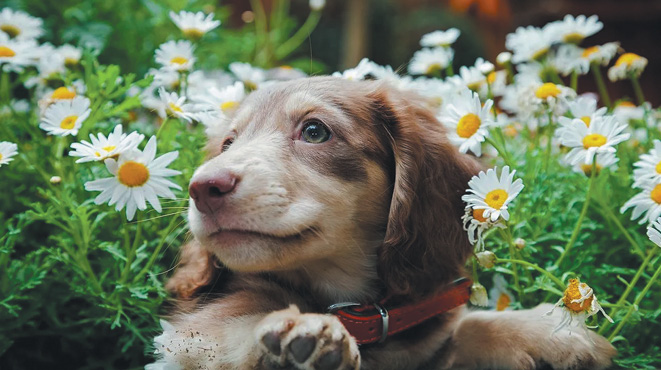
Chewing is a normal exploratory behaviour in puppies as they learn about the world around them. Teething, play, and attempts to escape confinement are other reasons puppies may chew excessively.
Adult dogs may chew more due to behavioural issues such as separation anxiety and a lack of environmental stimulation and exercise.
How can I stop my dog from chewing everything?
- Keep your dog busy – exercise, reward-based training activities and the use of slow feeders/puzzle toys or treat balls can provide enrichment and prevent your dog from becoming bored.
- Dog-proof your house – keep clothes, toys and small objects out of reach; keep cupboards, drawers and toy boxes closed.
- Supervise your dog when inside or put them in a secure area, such as a crate, when you are not home.
- Work on training from puppyhood – use the “trade for a treat” method. If your dog picks up an item they are not supposed to, offer a high-value treat in exchange and give positive praise.
- Provide appropriate chew toys – dogs of different ages and breeds require toys of varying degrees of strength to avoid unwanted destruction – have a chat with your vet about choosing the right chew for your pet.
- Do not give old shoes, clothes or toys to chew – dogs are unable to distinguish between these and “good” (i.e. forbidden) items.
With a consistent approach from the early days of puppyhood, you can help reduce inappropriate chewing in your dog. If your dog is showing other signs of anxiety and destruction, it may be beneficial to book an appointment with your vet to discuss more involved behavioural interventions.