BY DR NICKY THOMAS, WYNNUM MANLY VETERINARY HOSPITAL
Arthritis is a chronic, degenerative disease of the joints with no cure. Management requires a combination of medication, physical therapy and weight control. There are a number of medications and supplements that may help alleviate the pain and cartilage degeneration associated with arthritis.
Cartilage support/Chondroprotectants
The body has natural mechanisms that help to rebuild damaged cartilage and improve muscle mass. These mechanisms require raw materials that can be provided as nutritional supplements. Glucosamine and chondroitin sulphate are two compounds derived from shellfish, sharks and other animals that can help to protect and repair damaged cartilage. These substances are most useful before cartilage damage is too severe.
Non-steroidal anti-inflammatory medications (NSAIDS)
Non-steroidal anti-inflammatory medications work by decreasing the production of prostaglandins, which are mediators of inflammation and pain in the joints. NSAIDs provide both a pain-relieving and anti-inflammatory effect and are generally the cornerstones of arthritis management in pets. NSAIDs may have effects on kidney and liver function, so their use should be monitored with blood tests. NSAIDs are a prescription medication – your vet will be able to discuss the most appropriate option for your pet.
Alternative pain relief medications
There are a number of different pain relief medications that your vet may discuss with you if your pet is unable to tolerate NSAIDs or requires additional pain relief. These include medications that help to alleviate neurological and spinal pain, and others that reduce “wind-up” pain, may be suggested by your vet.
Anti-inflammatory supplements
There are a number of supplements available that may provide additional anti-inflammatory relief. Green-lipped mussel extract, omega fatty acid supplements and cannabidiol oil have all been utilised in the management of arthritis.
Injectable poly-sulphated glycosaminoglycans (PSGAGs)
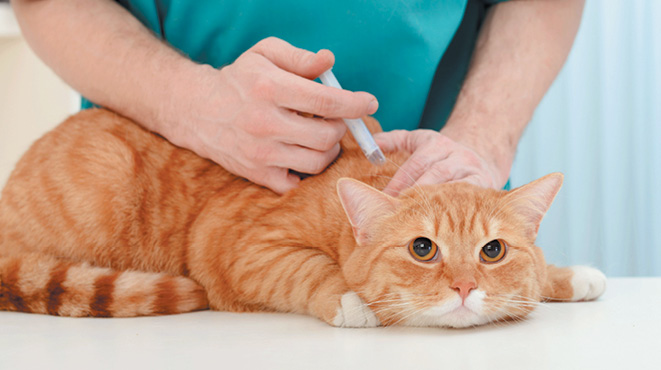
These medications help repair cartilage, reduce inflammation, and lubricate joints. Your vet can advise you whether these medications may be useful for your pet.
Book a consultation with your vet to discuss the best arthritis management plan for your pet.