BY DR NICKY THOMAS, WYNNUM MANLY VETERINARY HOSPITAL
 As we approach the warmer summer months, we often see an increase in storms. Dogs and cats can be very sensitive to environmental changes, with a number of animals developing storm phobia.
What is storm phobia?
Storm phobia is a fear of storms and storm-related noises. This phobia can occur in young animals or may develop over time with repeated exposure to frightening stimuli. Storm phobia may be triggered by changes in barometric pressure, wind gusts, rain squalls, distant sounds and changes in environmental chemicals. Active stormy weather including heavy rainfall, thunder, lightning and hail, may cause ongoing anxious behaviour.
What are the signs of storm phobia?
Signs associated with storm phobia may include:
- Escaping (which may result in injury);
- Inappropriate toileting behaviour;
- Vocalising;
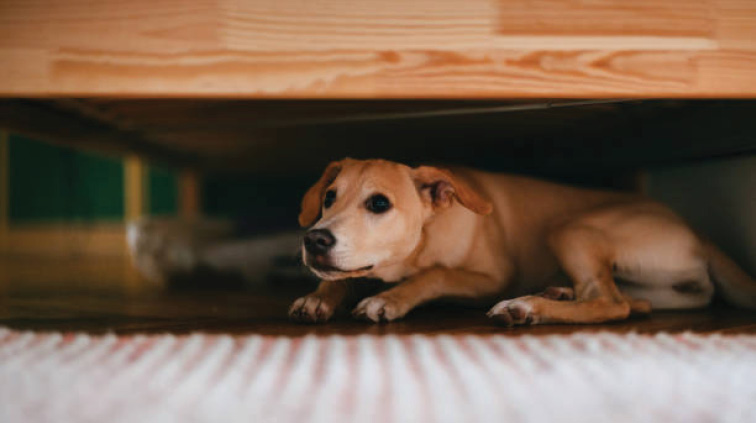
- Hiding, pacing, salivating;
- Destructive behaviour which may result in damage to household objects/structures and injury to pets.
How is storm phobia treated?
- Create a safe, secure space for your pets – for dogs this may be a crate or quiet room which shields them from both noise and visual cues such as lightning. Cats should be kept indoors during storms.
- Encourage normal activities during storms – distract pets by playing with them or feeding them.
- Relaxation training may be helpful. Direct dogs to a mat/bed/crate using the “settle” cue and reward calm behaviour with treats and pats.
- Desensitisation with recorded noises played at slowly increasing volume while rewarding calm behaviour may be helpful.
- Thundershirts may benefit some dogs.
- Natural calming products which are available as oral supplements or in collars may be used.
- Anti-anxiety medication may be prescribed by your veterinarian for use in severely affected animals. These medications need to be given at least an hour before storms in order to be effective, so close monitoring of weather forecasts is necessary.
It is essential that pets’ microchip details be kept updated as many cases of lost pets occur during stormy weather. Check with your vet to make sure your current details are recorded on the national microchip database.