 As many of you will be aware, H5N1 bird flu has been identified in multiple states of Australia. H5N1 is a highly contagious strain of influenza which affects not only wild birds but also poultry, marine mammals, domestic pets and people. While only one case has been identified in Queensland up until this point, it is critically important that we all remain aware of the possibility of an outbreak – this is of particular concern in our bayside location given the large numbers of wild seabirds, waterbirds and shorebirds which inhabit our region, along with the migratory birds which find their way to our corner of Queensland.
What should we be looking out for?
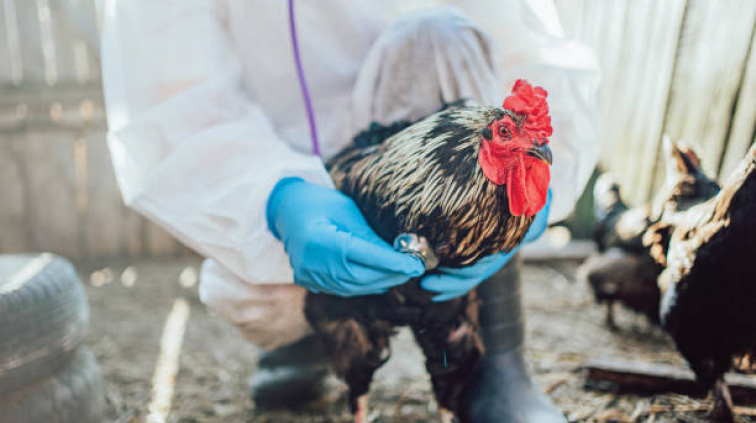
Birds affected by H5N1 may show signs of respiratory disease such as breathing problems, coughing and sneezing; neurological signs such as tremors, loss of coordination or a twisted neck; inability to stand, fly or walk properly; or sudden death, especially in large numbers.
How can I keep my pet birds/chickens safe?
- Prevent contact between wild and pet birds by using protective netting or housing your birds in coops or aviaries.
- Keep feed and water clean – supply water from a safe source (not dams or tanks) and keep bird food in sealed containers.
- Practice good hygiene – wash hands with soap and water after handling birds, ensure your footwear and clothing are clean, and clean and disinfect food and water storage.
How can I keep my other pets safe from bird flu?
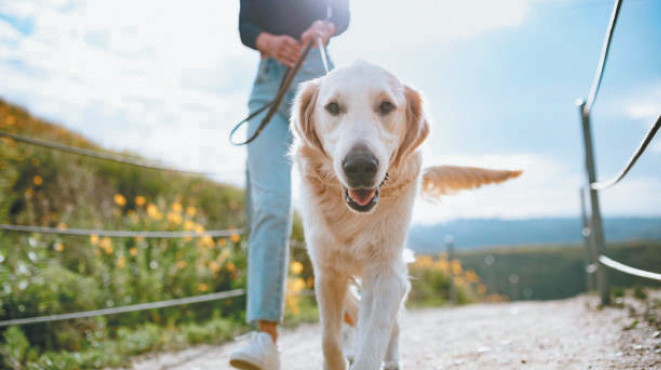
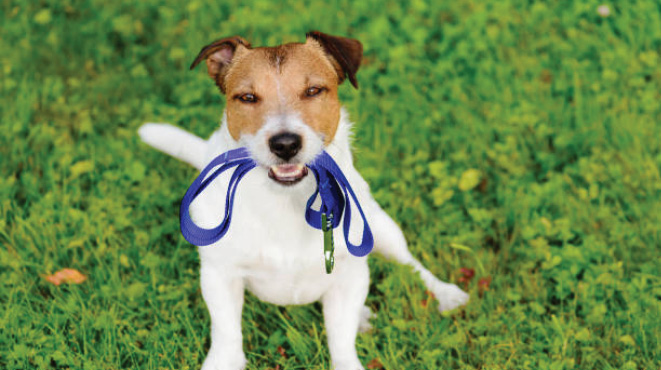
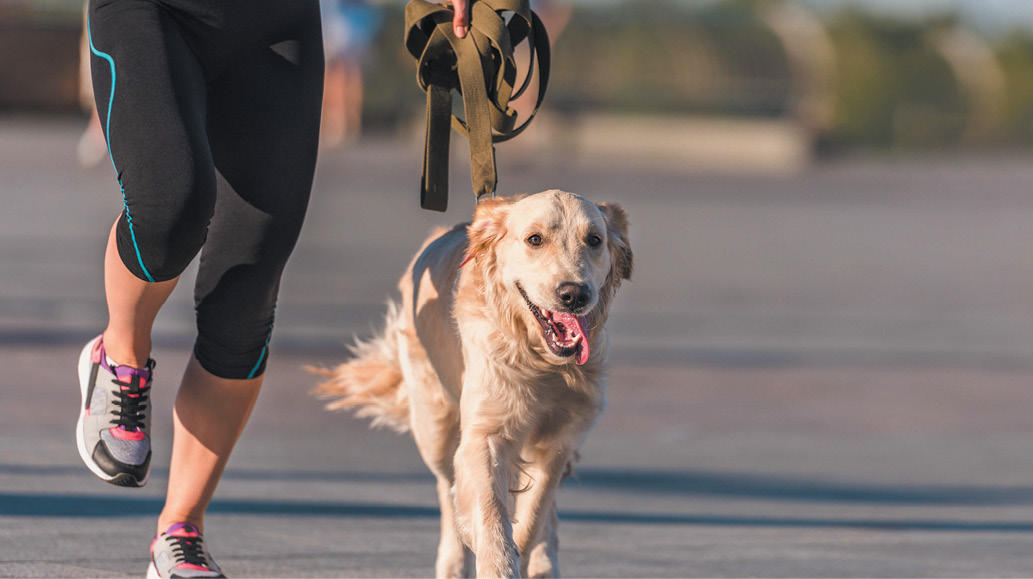
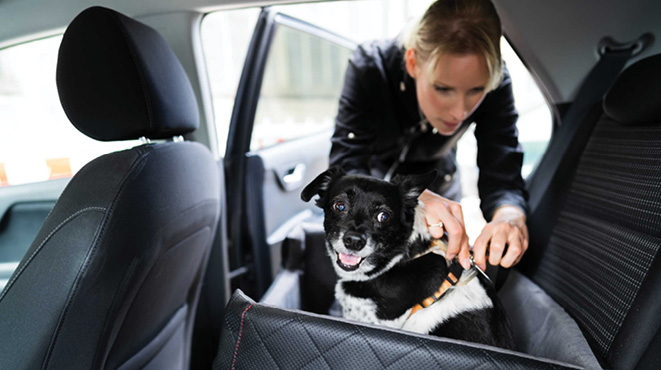
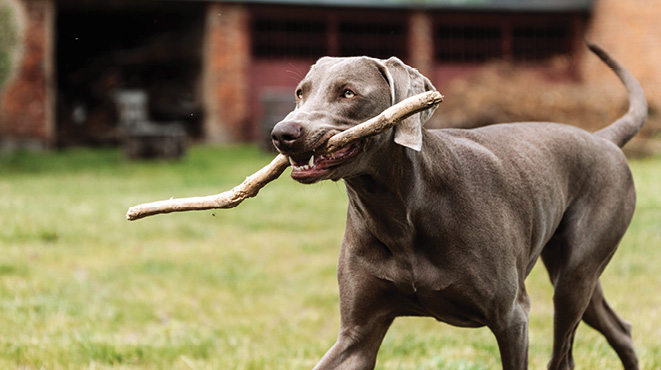
Cats in particular are very susceptible to disease from bird flu – they can be affected by hunting/scavenging/eating infected birds. Cats and dogs should be kept contained and away from wildlife – where possible cats should be kept indoors, and dogs should be on leads when out of their yard. Dogs should not be allowed to roam off lead along the waterfront as this is where they may potentially encounter affected birds.
What should I do if I see a sick bird/birds?
If you find a sick, injured or deceased bird, remember “ARR”:
AVOID
- Do not touch sick, dead or injured birds.
- Keep pets and children away from sick birds.
RECORD
- Take a photo or video of what you find.
- Make note of the time, date and location.
REPORT
- Contact the Emergency Animal Disease Hotline on 1800 675 888.