BY CHEREE SHELDON, QUALIFIED NATUROPATH, FLANNERYS ORGANIC WHOLEFOOD MARKET, VICTORIA POINT HOMECO CENTRE
Hormonal health is a journey every woman experiences, but it’s also a topic that everyone, regardless of gender, can benefit from understanding. By learning about the hormonal shifts women go through, we can all become better supporters of the women in our lives.
The Hormonal Journey: From Puberty to Menopause
Hormonal changes begin quietly, with about two years of subtle shifts before a girl’s first period. From that point, most women experience a cycle roughly every 28 days for decades, until menopause. These fertile years are unique to each woman, with cycles that can range from smooth and symptom-free to challenging and disruptive.
The ideal period comes and goes without pain, doesn’t impact our mood significantly, and allows us to function normally. But for many women, it’s a wild ride, emotional highs and lows, intense pain, and debilitating cramping. Mid-cycle, we emulate the body’s most fertile time. We should feel energised, maybe a little “in the mood,” but for some women, this stage can bring discomfort or even zero desire.
If your cycle doesn’t fit this “ideal” and you’ve been told it’s normal, remember, common doesn’t mean normal. Symptoms like PMS, pain, clotting, or low libido are signs of hormonal imbalance. Rather than masking symptoms each month, it’s important to address the root causes and restore balance.
Understanding the Cycle
Put simply there are two main phases in the menstrual cycle:
Phase 1 – Follicular Phase: Oestrogen rises, then dips at ovulation.
Phase 2 – Luteal Phase: Progesterone rises.
If the interplay between these two hormones isn’t balanced, issues arise, such as PMS, PMDD, cramps, acne, PCOS, mood changes, pain, and fatigue.
What Influences Hormones?
Hormones are shaped by diet, stress, sleep, and environmental toxins. Phthalates – found in fragrances, cosmetics, and plastics – are endocrine disruptors that can mimic hormones and cause chaos in the body. Prioritising clean eating, organic skincare, and reducing exposure to toxins can make a significant difference. Ask yourself: Is everything you put on or in your body natural and free from chemicals?
Puberty is the perfect time to lay the foundation for lifelong hormonal health. The lessons we wish we’d learned can become the new normal for the next generation.
The Power of Diet and Cyclic Eating
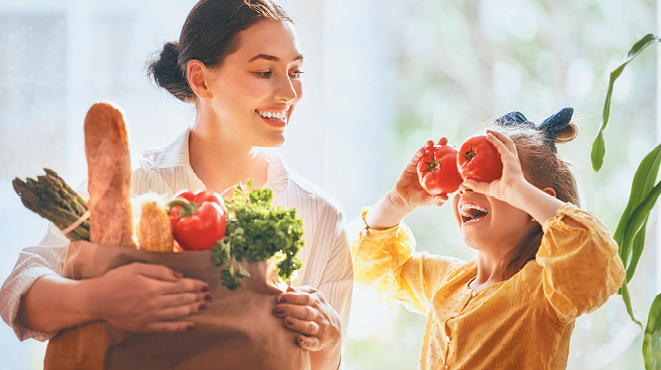
Diet impacts hormones in several ways. Blood sugar imbalances and poor digestion can disrupt hormonal harmony. For example, constipation can cause the body to reabsorb toxic forms of oestrogen, tipping the balance.
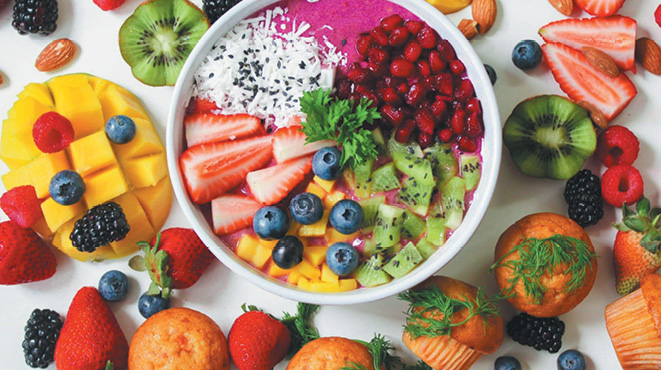
Cyclic eating is the practice of eating differently through the phases of your menstrual cycle. You can rewrite your hormonal rhythm with this transformative way of eating.
Follicular Phase: Eat a bit lighter, focusing on flax and pumpkin seeds, sprouted and fermented foods, choline, turmeric, and CoQ10.
Ovulation: Embrace your energy with a raw, plant-based diet.
Luteal Phase: Increase calories with slow-cooked meals, root vegetables, leafy greens, sesame and sunflower seeds (for progesterone support), vitamin E, and fatty acids. Balance blood sugar with chromium, fibre, and cinnamon.
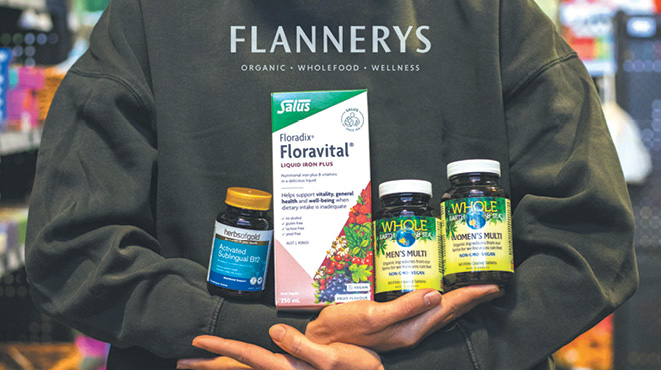
Menstruation: Replenish with iron-rich foods, red meat, organ meats, sea vegetables for iodine, and warming herbs like ginger.
Perimenopause and Menopause
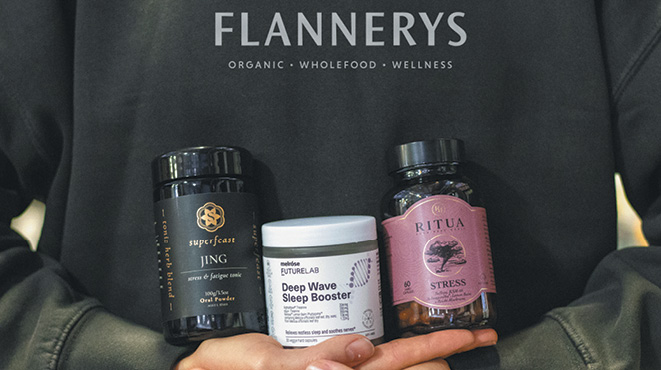
During perimenopause, cycles may become irregular. Aligning eating patterns with the lunar cycle can help during this transition, as fertility winds down and oestrogen drops. This can lead to dryness in the skin, eyes, and muscles, and increased pain sensitivity. Sea buckthorn oil, rich in omegas, is deeply moisturising from within. Supportive herbs include chaste tree, peony, liquorice, sage, and wild yam.
Personalised Support and Natural Solutions
Your hormones are unique. Using food as medicine is a nourishing way to support daily hormone health and live in sync with your cycles.
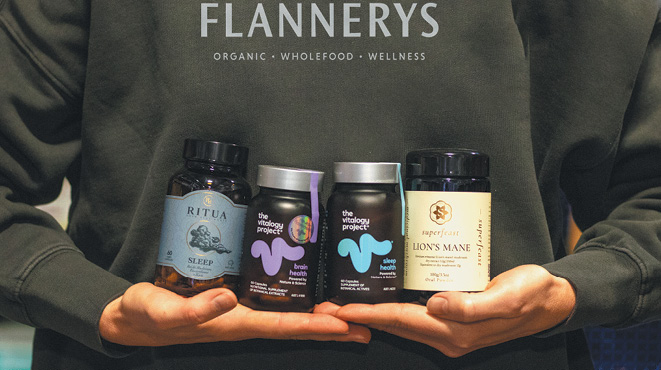
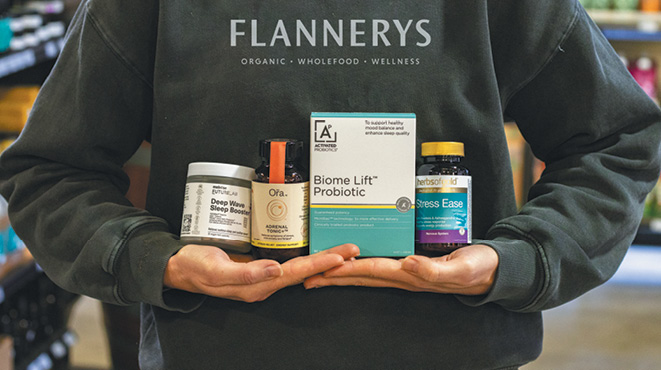
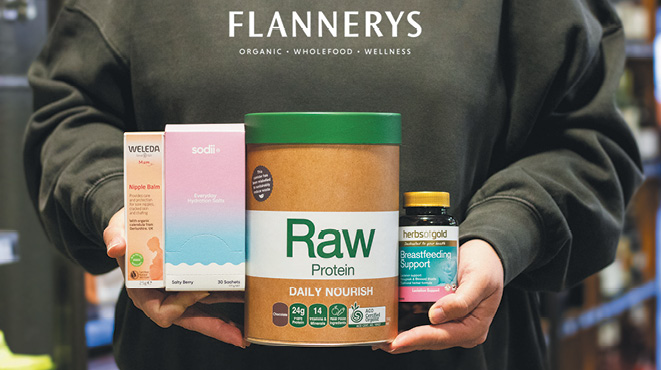
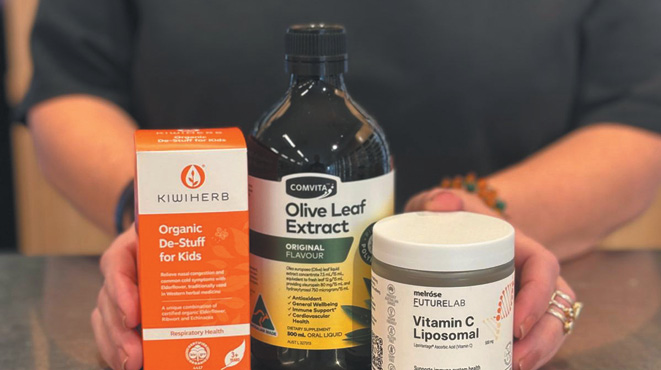
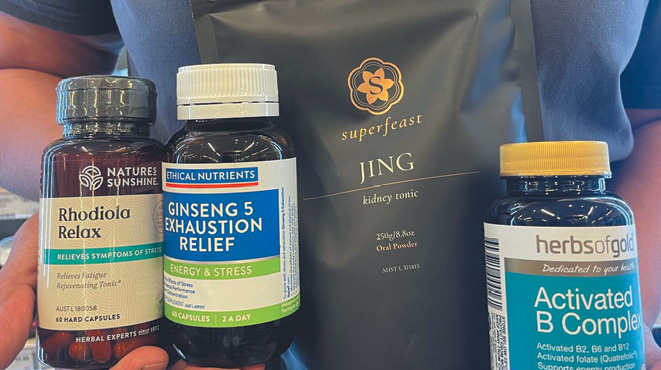
It’s important to consult with a qualified health professional before making changes to your supplements. Our naturopaths are here to help guide you in a way that’s right for you.