Photo: Supplied.
BY CHEREE SHELDON, QUALIFIED NATUROPATH, FLANNERYS ORGANIC WHOLEFOOD MARKET, VICTORIA POINT HOMECO CENTRE
In Australia, one in five people are consciously cutting back on their meat consumption. For many, veganism goes beyond food choices; it’s a lifestyle and philosophy that seeks to eliminate all forms of animal exploitation and cruelty.
At the heart of a vegan lifestyle is a plant-based diet, free from all animal-derived products – including meat, fish, honey, dairy, eggs, and even insects. But going vegan isn’t just about what you cut out; it’s about understanding what your body still needs to thrive.
Transitioning to a Vegan Diet
If you’re considering going vegan, it can be overwhelming to navigate all the “rules” and food swaps. A gradual transition tends to be more sustainable than switching 100% overnight. Start by replacing one meal or ingredient at a time and experiment with plant-based alternatives. Today, nearly every animal product has a vegan-friendly counterpart – from dairy-free cheese to plant-based meats – so you won’t have to give up your favourite dishes.
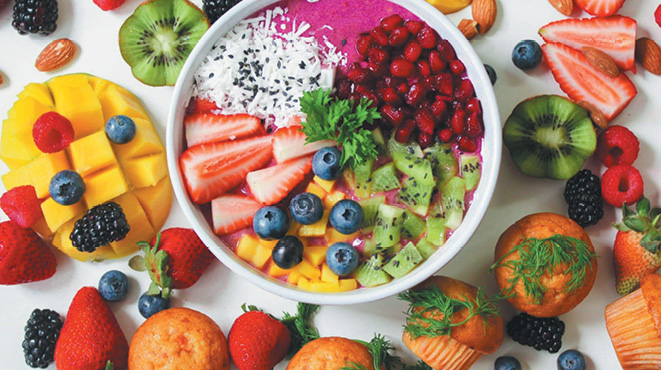
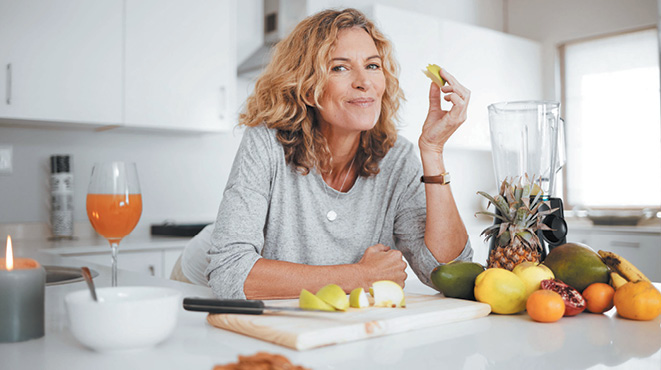
A thriving vegan diet is one that’s diverse. Fill your plate with a rainbow of fruits and vegetables, nuts, seeds, grains, legumes, and pulses. Variety is key to meeting your nutritional needs.
Health Benefits
Research consistently shows that vegan diets can be linked to lower rates of chronic illnesses like obesity, type 2 diabetes, and heart disease. A vegan label doesn’t always mean healthy, with many processed vegan foods (snacks, frozen meals, and sweets) as nutrient-poor as their non-vegan counterparts.
One major risk with a restrictive diet is nutritional deficiencies such as vitamin B12, iron, calcium, vitamin D, iodine, zinc, and omega-3 fatty acids. Left unaddressed, these gaps can lead to serious health issues such as anemia, osteoporosis, cognitive decline, and nerve damage.
Spotlight on Vitamin B12
Among these nutrients, vitamin B12 stands out as especially critical. It plays a vital role in energy production, nerve function, and cognitive health. Since B12 is naturally found only in animal products, vegans must rely on fortified foods or supplements. Even then, absorption can be an issue due to individual digestive health.
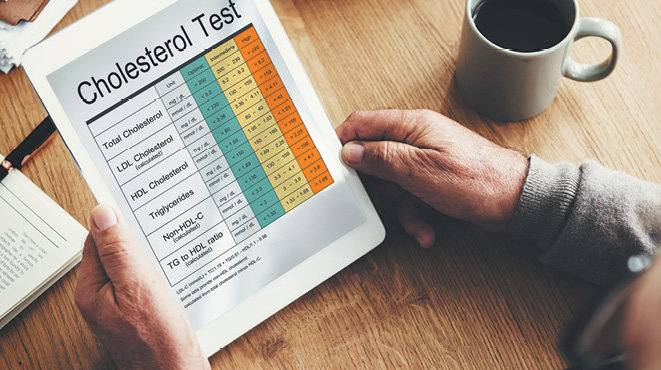
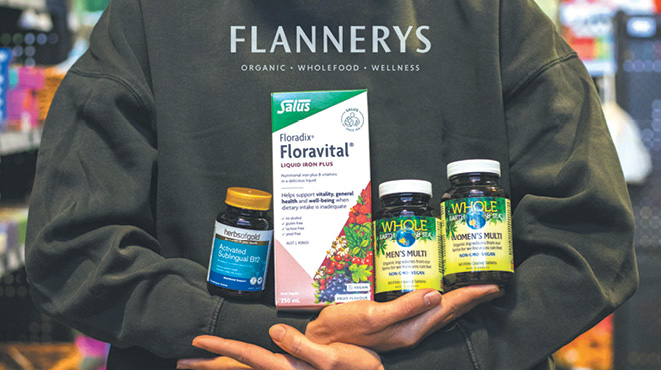
To avoid deficiency, it’s important to take a high-quality B12 supplement and monitor your blood levels regularly. You can then determine the right dosage based on your needs.
Don’t Forget Protein
Protein is essential for muscle repair, bone health, immune function, and mental wellbeing. Vegans may need more to account for lower absorption rates of plant proteins.
Plant-based protein sources include lentils, chickpeas, black beans, nuts (especially peanuts), soy products like tofu and tempeh, hemp seeds, and sea vegetables. Some plant foods, such as quinoa, chia seeds, soy, and buckwheat, are complete proteins, meaning they contain all nine essential amino acids. Combining different protein sources – like rice and beans – can also help ensure you’re meeting your requirements.
Omega-3 Fatty Acids: The Inflammation Factor
Omega-3s, especially EPA and DHA, are crucial for brain, heart, and skin health. These fatty acids are usually found in oily fish, making it easy for vegan diets to fall short. Meanwhile, omega-6 fats – found in many plant oils – are often overconsumed, leading to inflammation when the omega-6:3 ratio is out of balance.
To counter this, include more omega-3-rich plant foods such as flaxseeds, chia seeds, walnuts, and hemp seeds. A clean algal oil supplement is also a great way to boost DHA and EPA intake.
Plan to Thrive
Eating well on a vegan diet takes planning, but it’s entirely possible to meet all your nutritional needs with the right approach. Focusing on whole, minimally processed foods, supplementing smartly, and checking in on your nutrient levels can help you avoid the pitfalls of “vegan depletion”.
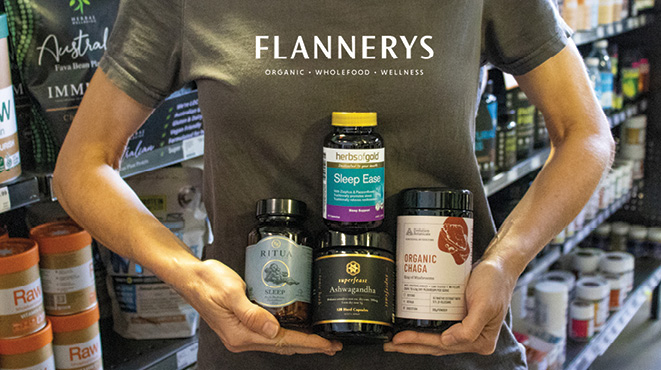
Always consult a qualified healthcare professional before starting any supplements to ensure they’re appropriate for your individual needs. For personalised guidance, visit Flannerys Organic and chat with one of our qualified naturopaths – we’re here to help.