BY DR ROGER DOWN, MBBS, FRCS, FRACS, MD (LOND)
 A skin defect or excision site, when surgically closed under sterile conditions, will seal itself against external pathogen invasion within two to four hours. In this way, the body protects itself from infection by skin and other pathogens.
A wound needs to have properly placed sutures tied without tension, Nylon for interrupted, not silk; or a Proline monofilament subcuticular suture.
The use of “dissolvable” sutures can have disadvantages. In the old days, when catgut sutures were used, they dissolved and disappeared within 10 to 14 days. Catgut is no longer available due to government legislation, even though it has been used safely for years. Monosyn, an artificial synthetic suture, is used instead. This material can hang around within the wound site from 140 to 360 days, causing a persistent inflammatory reaction and a red wound (i.e., it is very slow to return to a skin colour).
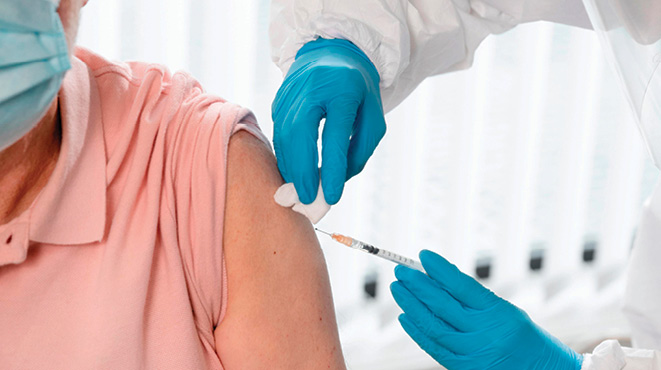
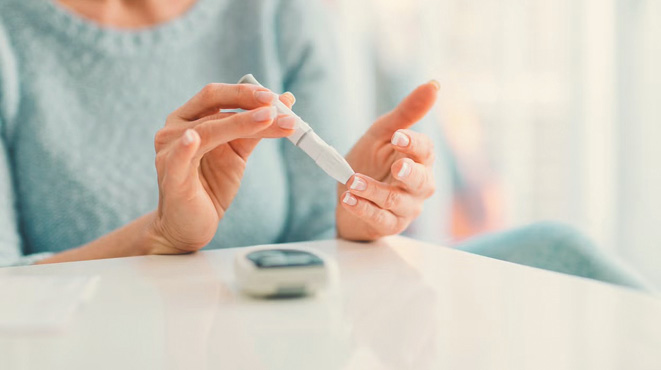
If patients are diabetic or have evidence of infection, perioperative antibiotics should be used to cover the surgery. Generally, antibiotic cover is not required unless there are special circumstances. However, Chloromycetin eye ointment is frequently used post-op to improve cosmetic results on the face.
A wound after six hours can be washed with soap and water. This does not increase infection rates. Occlusive (waterproof) dressings should never be used. If used, they increase the infection rate by allowing normal staphylococcal skin flora and other organisms to proliferate in the moisture produced by sweat. This gets trapped under the dressing. A good dressing to have in your first aid kit is Hyperfix or Fixamol, which allows a wound to breathe.
It is recommended that an initial compression bulky absorbent dressing be used to prevent blood contamination of clothing. It will be removed once blood oozing has stopped after four to 12 hours. Then leave the wound open to the air, wash with soap and water, and dry normally as necessary. It is not necessary to keep a wound dry!