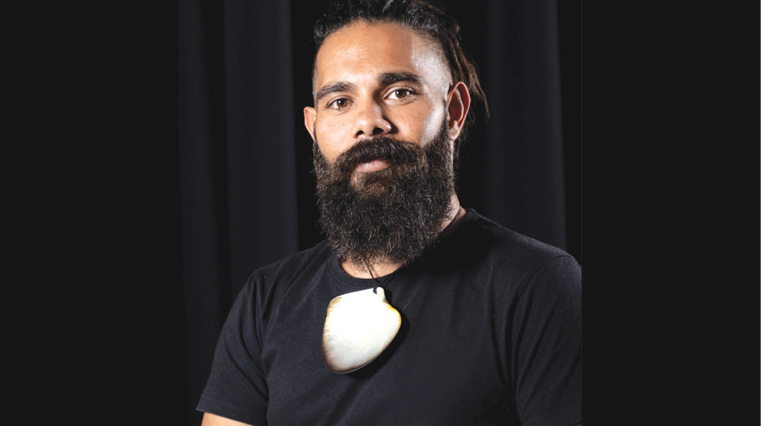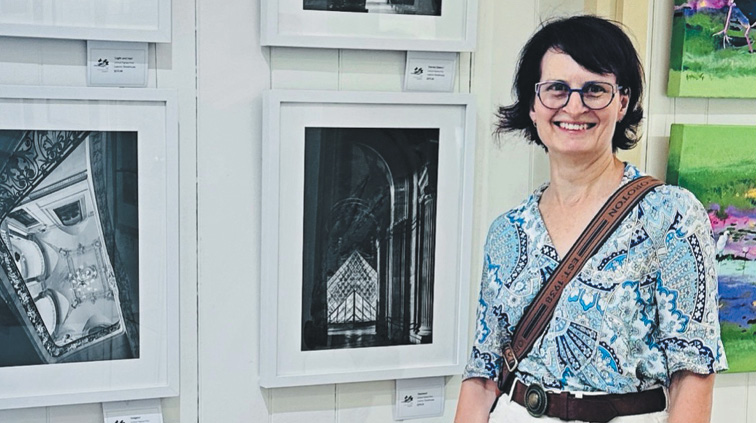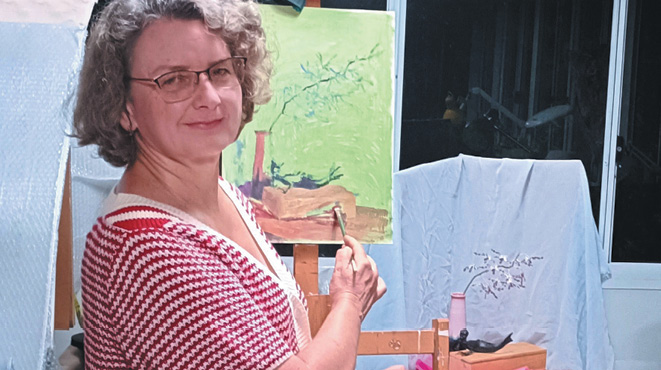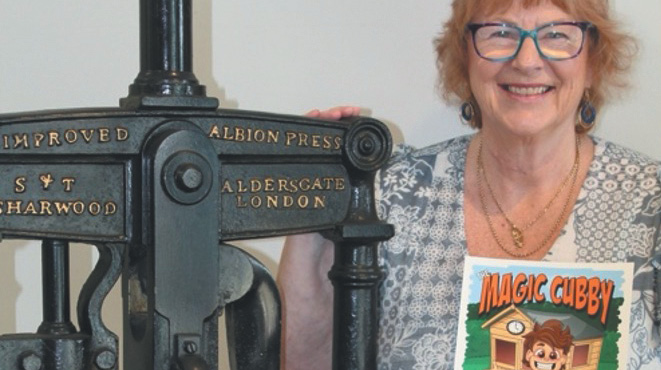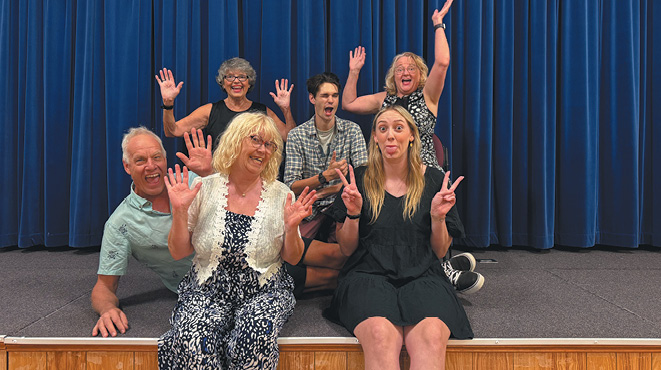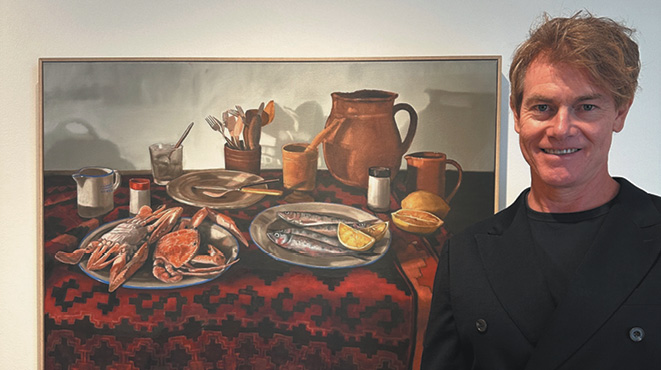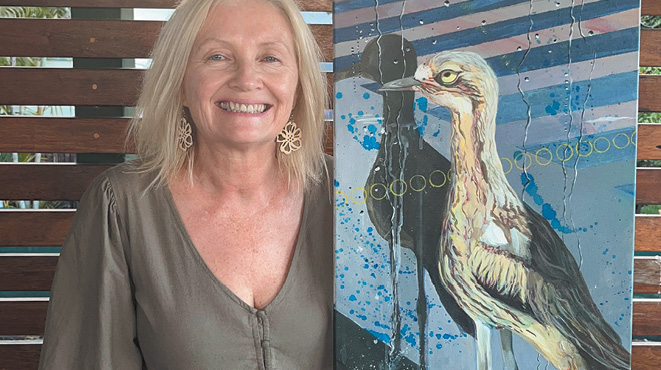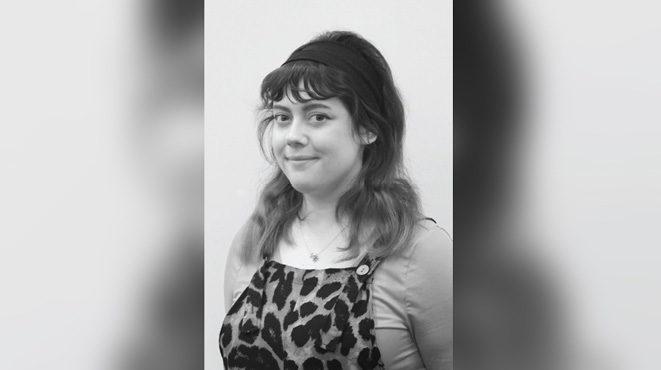
Director Sophie Parker. Photo: Supplied.
Mercury Theatre Wynnum’s Mark Pitts-Hill sat down with Director Sophie Parker to talk about the upcoming production of A Doll’s House, what attracted Sophie to the performing arts, and this particular play.
MARK: Henrik Ibsen’s play, A Doll’s House, shocked audiences in 1879. It boldly challenged 19th-century social norms around marriage, gender roles, and women’s autonomy. Mercury Theatre’s provocative production is in the skillful hands of Sophie Parker, who has directed many plays, including one in London’s West End. I interviewed Sophie recently to find out what attracted her to the performing arts and this particular play.
MARK: Hi Sophie. Mercury Theatre is delighted to have you directing this play, and thank you for talking with us today. What got you interested in the performing arts?
SOPHIE: Thank you for having me! I am so excited about this production. I got inspired to perform by my grandfather, who was a competitive ballroom dancer and a huge lover of theatre. I started dancing when I was three and later moved into the world of drama at secondary school and never looked back. I always knew it would be a huge part of my life, so I studied Drama and Theatre at university to deepen my understanding. I love all parts of the performing arts.
MARK: And what about this particular play?
SOPHIE: It appealed to me because, at its core, the play requires us to question ourselves, how much of our identity is shaped by the expectations placed on us by society. And just as importantly, what it takes to break free of those expectations. It comes at a time when Ibsen’s feminist writing is still as relevant as ever, with social issues surrounding women’s autonomy needing to be spoken about once more.
MARK: Is that something that you resonate with – breaking free of expectations?
SOPHIE: Yes, as a young woman, I feel a deep sympathy for Nora, the main actress. Having to choose between something you want and something that’s expected of you is an act that all of us can relate to, no matter how complicated. I think it’s always important to fight against ‘the norm’ or what’s expected of you as that is how you grow and get to understand yourself. Ibsen, who wrote the play, said,
“A woman cannot be herself in modern society.”
MARK: How true is that today, do you think?
SOPHIE: Even today, women continue to lose autonomy over their own bodies, bound by laws written about them but not by them. Nora’s struggle for freedom reminds us of the urgent need to question the roles and demands society imposes upon us. Disturbingly, misogynistic content still circulates widely on social media. I feel this poses a risk for young men and boys of developing attitudes that are outdated and, in some instances, promote sexist views of women’s place in society. To be a woman in today’s world remains increasingly difficult, and while Ibsen’s play may centre on a ‘secret’ that no longer bears the same weight in our time, the relationships between the characters – and the ways they perceive one another – still resonate with alarming familiarity.
MARK: Are some things too hard to change?
SOPHIE: Well, I know how this play affects me and I know it will provoke, inspire, and reflect the questions we are still asking about our own freedom and selfhood. Change is ALWAYS possible; the smallest actions can move towards a better outcome. Whether that’s standing up for women across the world without a voice, or for those closest to you going through a hard time. This is about holding each other accountable as we move toward true equality. The play holds up a mirror, asking us to reflect on how far we have truly come, and whether the progress we claim has been as deep as we would like to believe.
Find out more about Mercury Theatre by visiting www.mercurytheatrewynnum.com.au.