Photo: Supplied
BY CHEREE SHELDON, QUALIFIED NATUROPATH, FLANNERYS ORGANIC WHOLEFOOD MARKET, VICTORIA POINT TOWN CENTRE HOME CO.
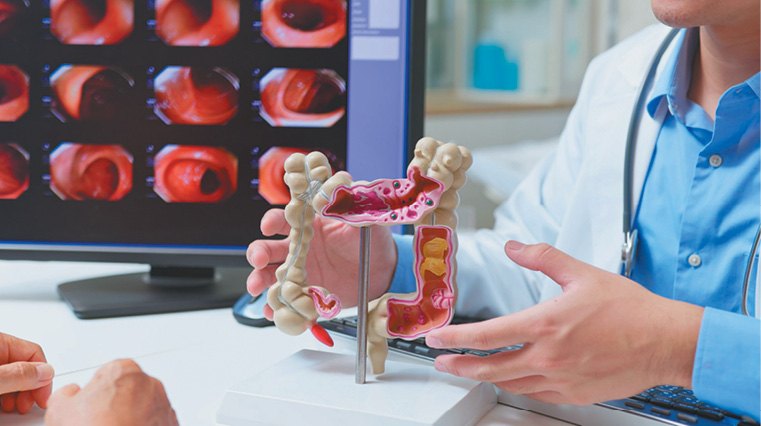
Irritable Bowel Syndrome (IBS) is a common functional digestive disorder. This means the digestive tract usually appears normal on tests, but it doesn’t function as it should. People with IBS may experience abdominal pain, bloating, excess gas, constipation, diarrhoea, or a combination of both. Symptoms often fluctuate and can significantly impact quality of life.
Digestion begins even before we take a bite. The sight and smell of food trigger saliva production, starting the breakdown of food in the mouth. Proper chewing is essential! Food should be well broken down before swallowing to reduce digestive strain later.
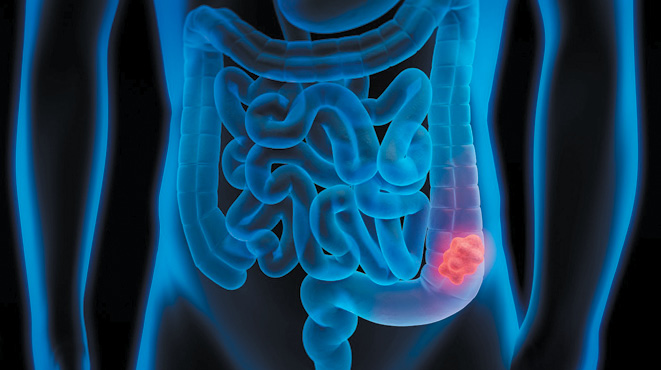
Swallowing food too quickly or introducing excess air can contribute to bloating and discomfort. Once swallowed, food mixes with stomach acids and is churned until emulsified, before moving into the intestines. From there, it travels through around eight metres of digestive tract, where bile assists digestion, the microbiome further breaks down food, nutrients are absorbed, and waste is formed before elimination.
In people with IBS, one or more parts of this coordinated process may be disrupted. For example, sluggish intestinal contractions (called peristalsis) can slow movement through the gut. This may cause stool to stagnate, leading to gas build-up, pain, bloating, and in some cases sudden urgency.
Why Does IBS Occur?
IBS does not have a single cause. Instead, it is influenced by a combination of factors. Stress, certain foods, hormonal shifts, travel, medications, or bouts of gastroenteritis can all trigger symptom flares.
There are three main types of IBS:
Understanding your subtype can help guide more effective management strategies.
- IBS-C: constipation predominant
- IBS-D: diarrhoea predominant
- IBS-M: mixed, alternating between constipation and diarrhoea
Constipation: More Than Just Feeling Blocked
Constipation involves infrequent, difficult, or incomplete bowel movements. Beyond discomfort and bloating, constipation can lead to reabsorption of waste products the body is trying to eliminate, contributing to feelings of fatigue and unwellness.
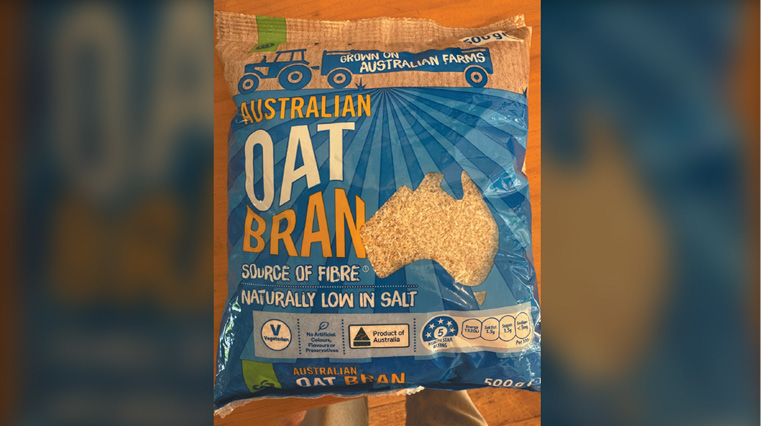
Supporting regularity may involve adequate hydration, sufficient dietary fibre, healthy fats to support stool movement, and targeted pre- and probiotics. Reducing excessive tea or coffee intake may also help, as these can be dehydrating to the stool. High-dose vitamin C and certain forms of magnesium can help loosen stools.
Understanding Diarrhoea
Diarrhoea can be triggered by lactose intolerance, artificial sweeteners, certain supplements, or nutrient dosing errors. In some cases, what appears to be diarrhoea may actually be overflow related to severe constipation.
The Role of the Microbiome
A balanced gut microbiome is central to digestive comfort, regularity, and motility. People with IBS frequently show reduced levels of beneficial bacteria such as Lactobacillus and Bifidobacterium. Supporting these microbes can help restore balance and reduce digestive symptoms.
Putting It All Together
Effective IBS management requires a multifaceted approach. Identifying dietary triggers, supporting gut healing, restoring microbiome balance, addressing stress, and improving sleep and lifestyle habits all play key roles. Tools such as food diaries, elimination diets (like low FODMAP), gut-healing nutrients, and mind–body therapies –including IBS-specific hypnotherapy – can be transformative when used appropriately.
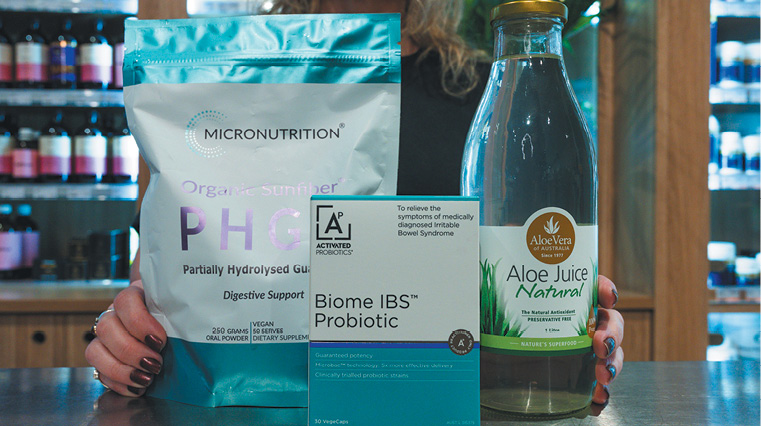
Not all probiotics are created equal. Research shows that specific strains, taken at the right dose, can reduce IBS symptom severity, bloating, and bowel irregularity. Clinically studied strains such as Lactobacillus plantarum and Lactobacillus rhamnosus have shown benefits for abdominal pain and bloating, while targeted combinations can improve stool consistency, frequency, and ease of evacuation.
Using prebiotics like PHGG or GOS, gut-healing nutrients like zinc carnosine and glutamine, and healing and soothing ingredients like Aloe Vera, slippery elm and marshmallow can all be extremely beneficial to resolving IBS symptoms and enabling a smooth reintroduction after an elimination diet such as low FODMAP.
If you’re living with IBS or constipation, you’re not alone; however, support is available.
Always speak to your health care provider before taking any supplements or making drastic changes to your lifestyle.