Photo: Supplied.
FROM DENTAL ON CAMBRIDGE
When we think about brushing and flossing, most of us think about preventing cavities or keeping our smile looking its best. But emerging research suggests your oral health may be connected to something much bigger – including Alzheimer’s disease.
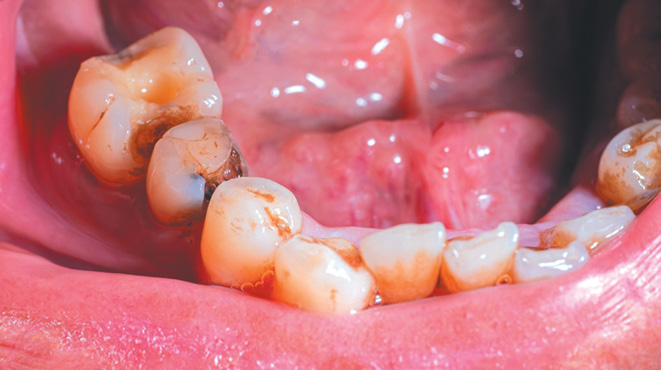
One bacterium in particular, Porphyromonas gingivalis, has become a focus of scientific interest. This bacterium is a key contributor to gum disease (periodontitis), a chronic inflammatory condition that affects the tissues supporting your teeth.
Recent research, including work by Shalini Kanagasingam and colleagues, suggests that P. gingivalis may be a significant risk factor in the development of Alzheimer’s disease¹.
So how could a bacteria from the mouth affect the brain?
Scientists have discovered that P. gingivalis can enter the bloodstream through inflamed gums and, in some cases, travel to the brain. Once there, it releases toxic enzymes called gingipains, which have been identified in the brains of people with Alzheimer’s disease². These toxins are thought to contribute to inflammation and may play a role in the formation of amyloid plaques and tau tangles – hallmark features of Alzheimer’s disease³.
A systematic review of pre-clinical studies further supports this connection, showing that infection with P. gingivalis can lead to brain inflammation, neuronal damage, and Alzheimer’s-like changes in laboratory models4.
While researchers are still working to fully understand this relationship, the evidence points to a strong association between long-term gum disease and cognitive decline. Importantly, this does not mean gum disease directly causes Alzheimer’s – but it may be one of several contributing factors.
What does this mean for you?
The takeaway is simple: looking after your oral health is an important part of looking after your overall health. Healthy daily habits – brushing twice a day, interproximal cleaning (flossing or interdental cleaning brushing) and regular dental check-ups – can help prevent gum disease and reduce inflammation in the body. Additionally, and more critically, if you’ve been diagnosed with periodontal disease, and need further treatment either from your dentist, or periodontal specialist, take this advice seriously and get on top of it before your health and future brain health are at risk.
At Dental on Cambridge, we take a preventive approach to dentistry. By maintaining healthy gums, you’re not just protecting your smile – you may also be supporting your long-term wellbeing. If you’ve noticed bleeding gums, bad breath, gum tenderness or tooth loosening, it’s worth getting it checked early so that you can work out a plan to address these concerns and protect your long-term oral health and overall wellbeing. Call us today on 3348 6661.
References
- Kanagasingam, S. et al. Porphyromonas gingivalis as a risk factor for Alzheimer’s disease.
- Dominy, S.S. et al. (2019). Porphyromonas gingivalis in Alzheimer’s disease brains: Evidence for disease causation and treatment with small-molecule inhibitors.
- Olsen, I. & Singhrao, S.K. (2015). Can oral infection be a risk factor for Alzheimer’s disease?
- Relationship between Porphyromonas gingivalis and Alzheimer’s disease: A systematic review of pre-clinical studies.