Photo: Supplied.
Her title was Amira, princess. She was brought up in palatial opulence in French-occupied Lebanon. She was fluent in French and Arabic. By the age of 15, she was married to an Australian-based businessman nearly three times her age and had been transported to a Queenslander in Dalby, leaving behind the man she had hoped to wed.

“A lot of research material was lost – severed family ties, things left unspoken – so I had to dig through a lot of other sources. It’s not all on the internet, a lot of it is whitewashed and hidden under deep colonial history,” says Nadia.
“It’s a migrant woman’s story of resilience and the impact three generations on, a weaving together of the contemporary and the historical. It was difficult to translate my own feelings into theatre and dance; it took three years, and even now the work is still changing. The journey to her was actually a journey towards myself – and it’s bigger than just my story. That question of belonging is in a real state of transformation in Australia; look how far we’ve come – and look how far we have yet to go.”
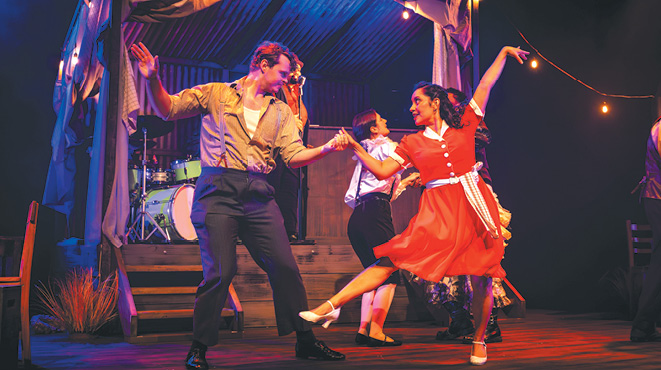
Told through theatre and dance, The Last Princess of Lebanon is a captivating coming-of-age story and a powerful reclamation of self and family. For tickets to the June 12 show, visit rpac.com.au.