BY DR ROGER DOWN, MBBS, FRCS, FRACS, MD (LOND)
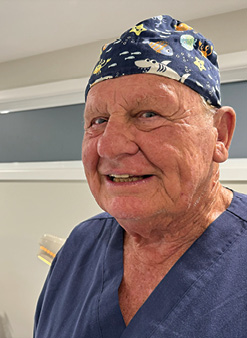 I opened the Department of Surgery at the new Newcastle Medical School in 1982, where I also did my advanced Plastic surgical training. My interest was in colorectal and gastroenterological disease as I had trained in endoscopy whilst at Flinders Medical Centre, which we had just opened in 1976.
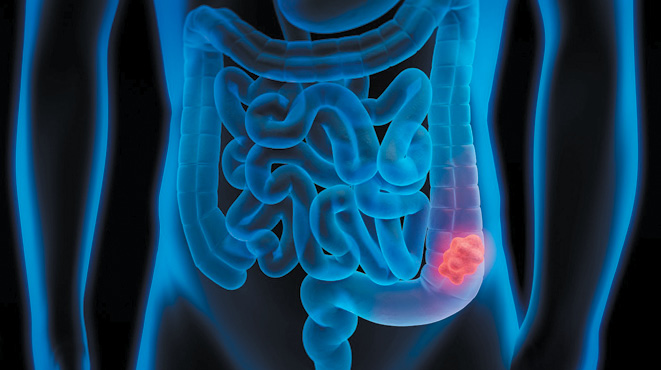
The question begged: How can I reduce the waiting time for the diagnosis and treatment of bowel pathology? At that time, there was a 3- to 4-month time lag using the existing hospital system. It relied on a complex referral system and Barium radiological studies with repeated visits to specialists.
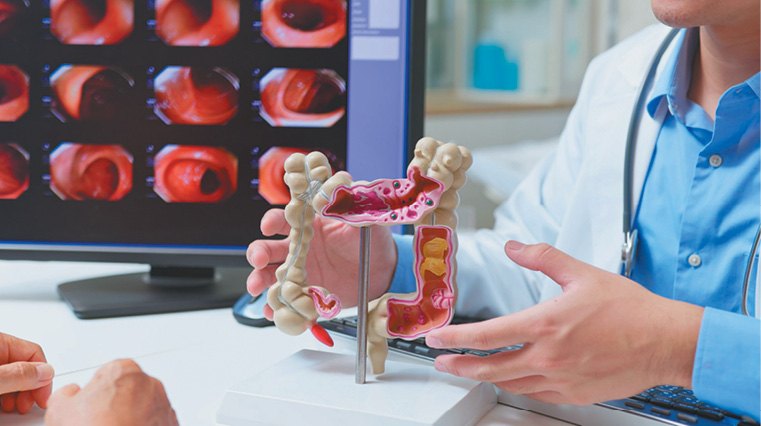
In the late 1970s, brilliant Japanese technology was developing flexible endoscopes to visually examine the bowel. I was one of the ‘grandfathers’ who worked out how to use these instruments safely without causing perforation, bleeding or spreading HIV. All were serious complications that did not occur with barium studies.
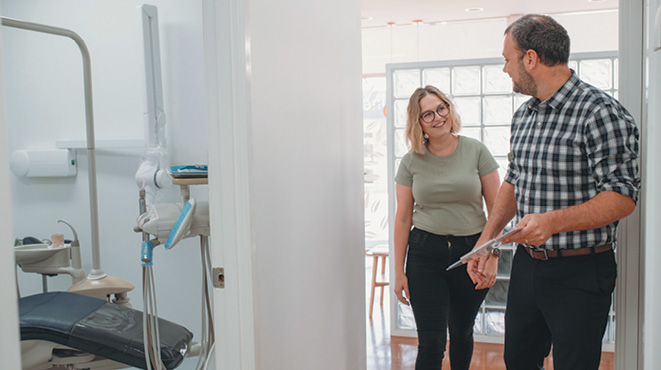
Aware of the deficiencies and inability to treat bowel conditions with radiology, I left the public hospitals to provide and design a one-stop ergonomic shop which would enable people with gut symptoms to have a consultation, examination, and endoscopy, plus an ultrasound if indicated, within 48 hours of referral. Treatment was always completed for whatever pathology was found on the same day. This is the ‘Day Endoscopy Unit’ concept, which has been adopted and is now accepted worldwide.
I developed an ergonomic design for day-endoscopy facilities in conjunction with the NSW and Queensland Departments of Health, both large and small. Those designs now form the basis for the Queensland Department of Health to assess all Day endoscopy centres after I worked with St Andrews Hospital a state-of-the-art Day endoscopy centre. It was all very exciting.
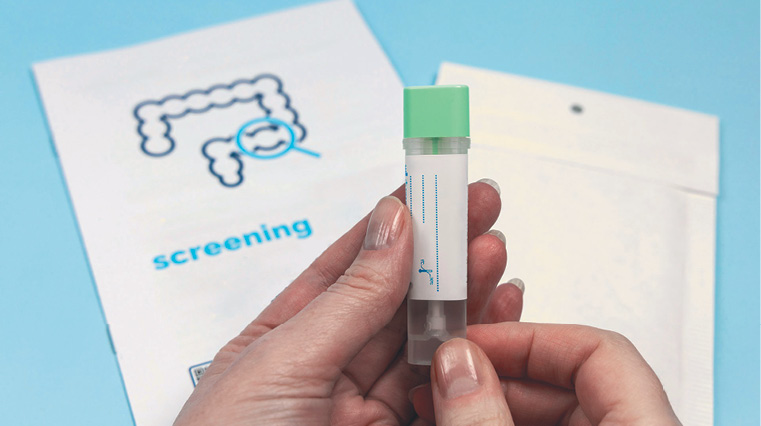
In 1984, the local Rotary branch in Newcastle took an interest, and we trialled the first ‘Bowel Cancer Screening Program’, much to the disgust of the establishment, looking for iron in stools from disintegrated haemoglobin using the old Guaiac test. Later, this was replaced with the much more accurate antibody test for haemoglobin, now used in the Bowel Cancer Screening program in Australia. More on screening in a later article.
God bless. Catch up next month.