Photo: Supplied.
BY CHEREE SHELDON, QUALIFIED NATUROPATH, FLANNERYS ORGANIC WHOLEFOOD MARKET, VICTORIA POINT TOWN CENTRE HOME CO.
When you hear the word protein, it is easy to think of gym enthusiasts, bodybuilders and post-workout shakes. But the truth is that protein is one of the most important nutrients for everybody, at every stage of life. Adequate protein intake is essential for maintaining and repairing cells and muscles, weight management, hormone production, nutrient transport, optimal energy levels, and a strong immune system. It plays a vital role in everyday wellbeing and is essential to ageing well.
Dietary protein is essential for optimal cognitive function. The brain relies on amino acids from protein to synthesise vital neurotransmitters – like dopamine and serotonin – that regulate mood, memory, and focus. Consuming protein-rich foods consistently can also assist with age-related cognitive decline.
If you or someone you love experiences regular mood swings, try adding more protein – especially first thing in the morning. This helps slow the digestion of carbohydrates, which stabilises blood sugar and prevents the irritability and fatigue associated with moodiness.
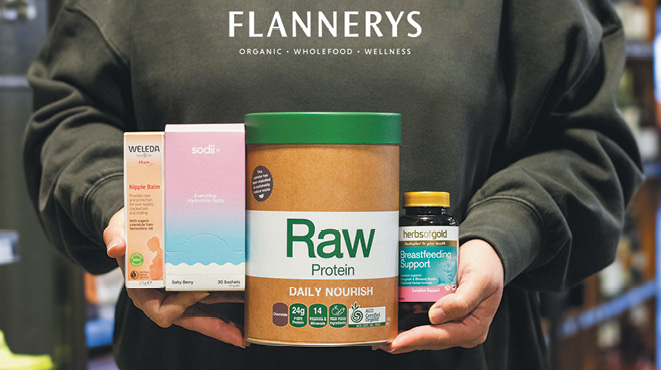
Protein is made up of amino acids, often referred to as the building blocks of life. These amino acids are used throughout the body to repair tissues, build and maintain muscle, support healthy skin, hair and nails, produce enzymes and hormones, and contribute to normal immune function. Some amino acids are known as “essential” because our bodies cannot make them on their own. This means we must regularly obtain them through the foods we eat. If you don’t get a lot of protein from your daily food intake, protein powder may be a good choice to maintain optimal levels.
And it is not just about hitting a daily target; it is also about consistency. Rather than consuming most of your protein in the evening meal, spreading intake across breakfast, lunch, dinner and snacks can help support muscle maintenance, recovery and sustained energy levels throughout the day.
For many adults, protein needs range from approximately 80 to 120 grams per day, depending on age, body size, activity levels, and individual circumstances. One practical approach is to aim for around 20 to 30 grams of protein at each main meal. This can help make daily targets more achievable while encouraging a balanced eating pattern.
Fortunately, there are plenty of nutritious foods that naturally provide protein, such as:
- Eggs are a versatile and affordable choice, containing approximately 6 to 7 grams of protein each.
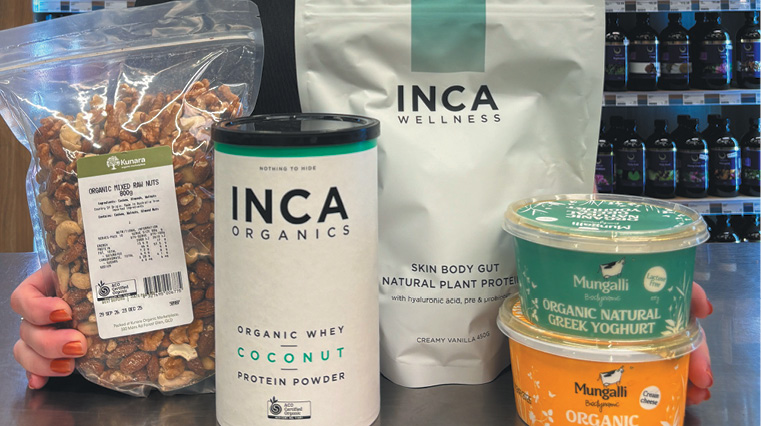
- Greek yoghurt provides around 10 grams of protein per 100 grams.
- Chicken, fish and lean meats are also valuable sources.
- Plant-based options such as legumes, lentils, beans, nuts and seeds can make meaningful contributions to protein intake while also providing fibre and other beneficial nutrients.
Supplements and protein powders are designed to complement a healthy diet – not replace whole foods. They’re convenient and help with fussy eaters or when time is limited.
One of the greatest advantages of protein powders is their versatility. While smoothies remain a popular option, protein can be incorporated into many everyday foods and recipes, including:
- Stir protein into porridge.
- Blend it into smoothie bowls.
- Add it to chia puddings.
- Use it when making pancakes and bliss balls.
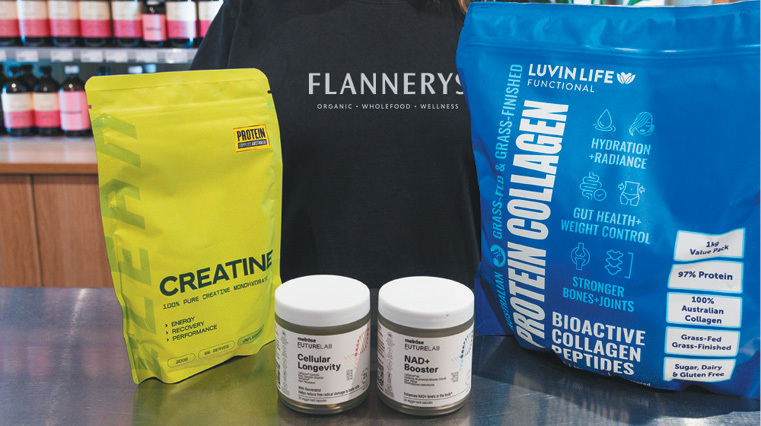
- Collagen powders can also be added to soups, stews, yoghurt, custards or even a morning coffee, providing another simple way to increase intake.
Ultimately, protein is not about pursuing athletic performance or following the latest wellness trend. It is a foundational nutrient that supports strength, resilience and overall wellbeing throughout life. By prioritising quality protein sources and incorporating them regularly into meals and snacks, you can help nourish your body and support your health for years to come.
Healthy ageing, sustained energy and everyday vitality all start with a strong nutritional foundation, and protein is an important part of that picture.
It’s important to consult a qualified health professional before taking or changing your supplements.