BY CHEREE SHELDON, QUALIFIED NATUROPATH, FLANNERYS ORGANIC WHOLEFOOD MARKET, VICTORIA POINT TOWN CENTRE HOME CO.
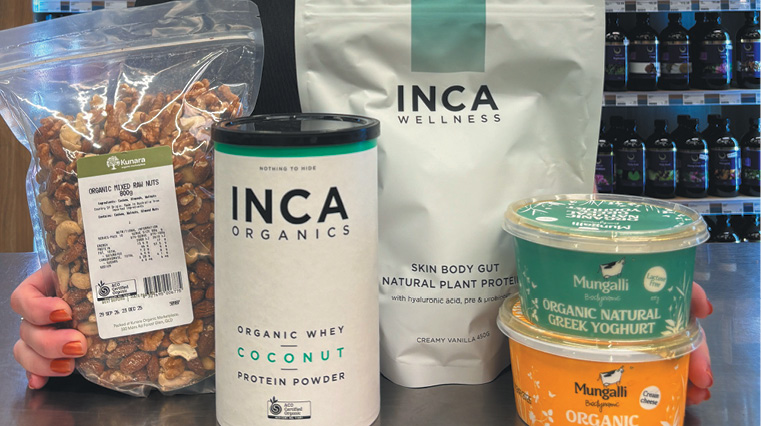
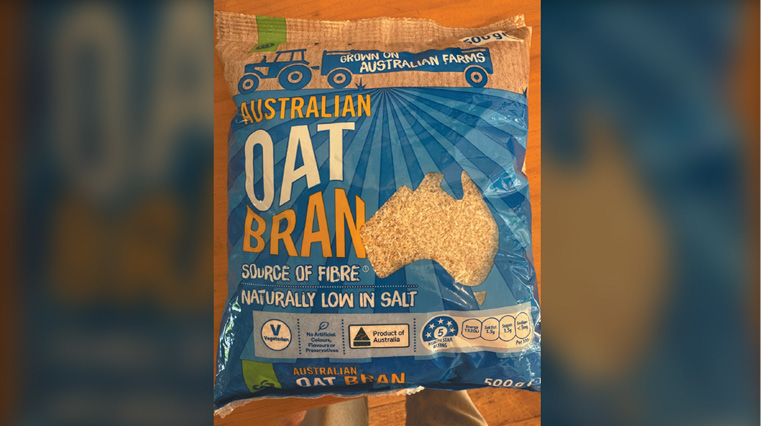
Photo: Supplied.
When it comes to nutrition, protein often steals the spotlight. But another essential nutrient is quietly being overlooked: fibre.
For decades, fibre has been associated with one thing: regular bowel movements. While it certainly plays an important role in digestive health, fibre does far more than just help keep things moving. Fibre is a fundamental nutrient for supporting long-term gut, metabolic, and overall wellbeing.
More Than Roughage
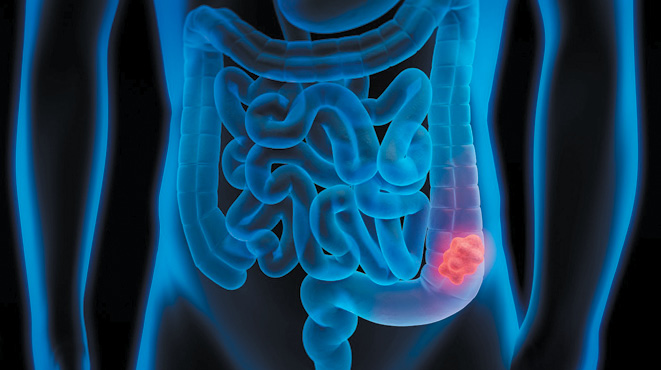
Unlike other carbohydrates, fibre isn’t fully digested in the small intestine. Instead, it travels to the large intestine where it becomes food for the trillions of microbes that make up our gut microbiome.
This is where the real magic happens.
When beneficial gut bacteria ferment certain fibres, they produce compounds known as short-chain fatty acids (SCFAs), including acetate, propionate, and butyrate. These compounds help support the gut environment and maintain the health of the intestinal lining. Emerging research continues to highlight the important role these microbial metabolites play in supporting overall health.
Rather than thinking of fibre as something you take when your digestion feels “off”, it’s more helpful to view it as daily nourishment for your microbiome.
Are You Getting Enough?
The recommended daily intake of fibre for adults is:
- Women: 25 grams per day
- Men: 30 grams per day
While many people believe they eat a fibre-rich diet, a closer look can reveal otherwise.
For example:
- 1 cup cooked spinach = 4 grams of fibre
- ½ cup baked beans = 5–7 grams of fibre
- 3 prunes = 2 grams of fibre
When you consider that adults require 25–30 grams daily, it becomes clear that reaching your target requires consistent effort across meals and snacks.
Why Fibre Matters
The concept of “fibre maxxing” isn’t about dramatically increasing fibre intake overnight. Instead, it’s about finding simple and sustainable ways to include more fibre throughout your day.
Just as many people focus on staying hydrated or meeting their protein goals, fibre deserves the same level of attention.
Higher fibre diets can benefit:
- digestive health
- satiety
- blood sugar balance
- cardiovascular health and overall wellbeing
The key is consistency. Your gut microbiome doesn’t thrive on occasional bursts of fibre intake. It benefits from a steady supply of diverse fibres consumed regularly over time.
A New Generation of Fibre
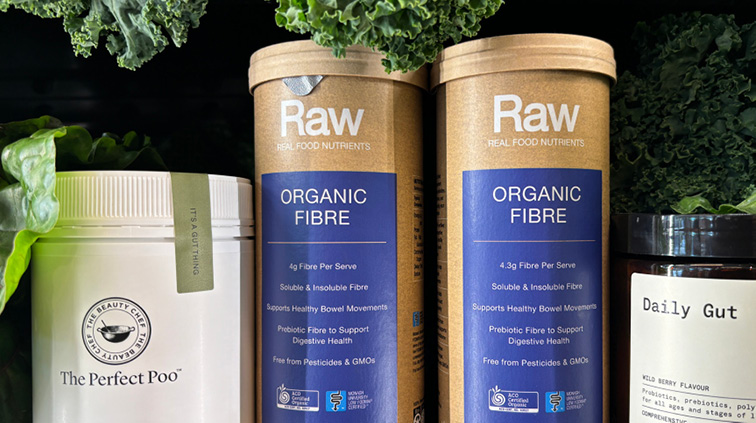
Traditional fibre products have been dominated by psyllium-based formulas. While these products have their place, many people associate them with thick, heavy drinks that feel more medicinal than enjoyable.
Today, fibre formulations include ingredients such as acacia fibre and green banana resistant starch. These prebiotic fibres are valued for their ability to nourish beneficial gut bacteria while fitting easily into everyday routines.
Another advantage is convenience. Unflavoured fibre blends can often be added to smoothies, oats, yoghurt, coffee, or meals without significantly altering taste or texture. This makes it easier to support fibre intake without making major dietary changes.
Flavoured options also offer a refreshing alternative to the traditional “gluggy” fibre drink, helping transform fibre from a product people use occasionally into one they genuinely enjoy including each day.
The Bottom Line
Fibre is having a well-deserved moment – and for good reason. It’s not just about digestive regularity. Fibre helps nourish the microbiome, supports a healthy gut environment, and contributes to overall wellbeing. A fibre maxxing mindset is moving away from seeing fibre as a short-term solution and recognising it as a foundational part of everyday health.
Come and speak to our naturopaths about the best fibre for you.