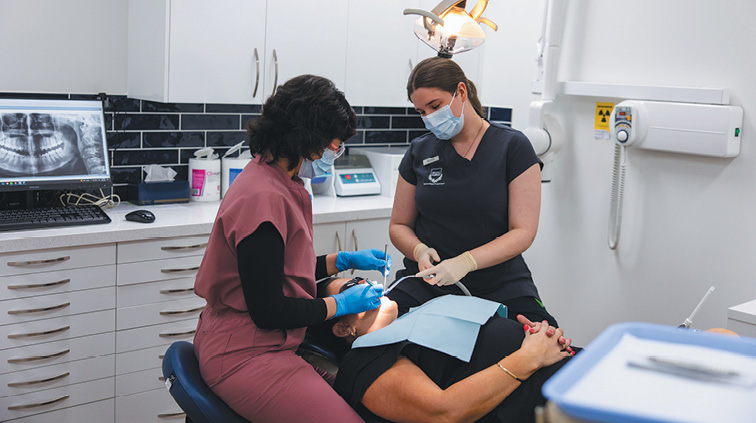
Photo: Supplied.
FROM DENTAL ON CAMBRIDGE
Most people experience a dry mouth from time to time – perhaps after a long day, when dehydrated, or after waking up. But if your mouth frequently feels dry, sticky or uncomfortable, it may be more than an annoyance.
Persistent dry mouth occurs when there is insufficient saliva or when a person experiences the sensation of oral dryness. It is surprisingly common, with around one in three adults reporting dry mouth at some point.¹
Saliva: Your Mouth’s Natural Defence
Saliva plays an important role in protecting your teeth and gums. It helps wash away food particles, neutralise acids, lubricate the mouth, assist with swallowing and speaking, and protect teeth against decay.²
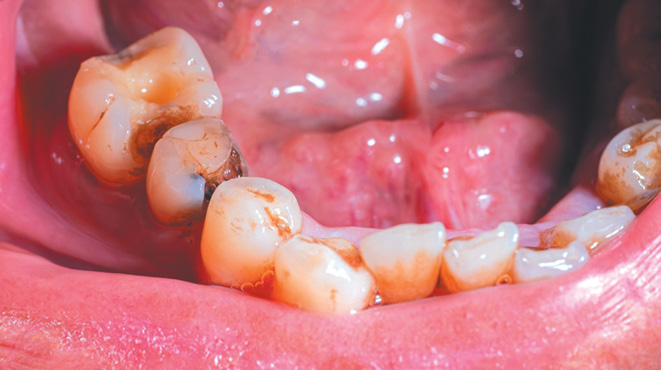
When saliva production is reduced, this natural protection is diminished. People with persistent dry mouth can be at greater risk of tooth decay, tooth sensitivity, gum problems, mouth ulcers and oral infections such as thrush.³ Dry mouth can also make eating, swallowing and speaking uncomfortable and may contribute to bad breath. For people who wear dentures, reduced saliva can make dentures more difficult to tolerate and retain comfortably.³
What Causes Dry Mouth?
There are many possible causes. Medications are one of the most common, with a wide range of prescription and over-the-counter medicines capable of reducing saliva production. These include some medications used for allergies, blood pressure, depression, pain and other conditions.² Dry mouth can also be associated with dehydration, mouth breathing, certain medical conditions, hormonal changes, chemotherapy or radiotherapy involving the head and neck.² This is why persistent dry mouth shouldn’t simply be dismissed as a normal part of getting older.
What Can You Do?
The good news is that dry mouth can often be managed. The first step is identifying the possible cause. Simple measures such as drinking water regularly, chewing sugar-free gum to stimulate saliva, avoiding excessive caffeine and alcohol, and maintaining excellent oral hygiene can help.² Your dentist may also recommend additional treatments depending on your individual risk. Most importantly, don’t stop or change prescribed medication without speaking to your doctor.¹
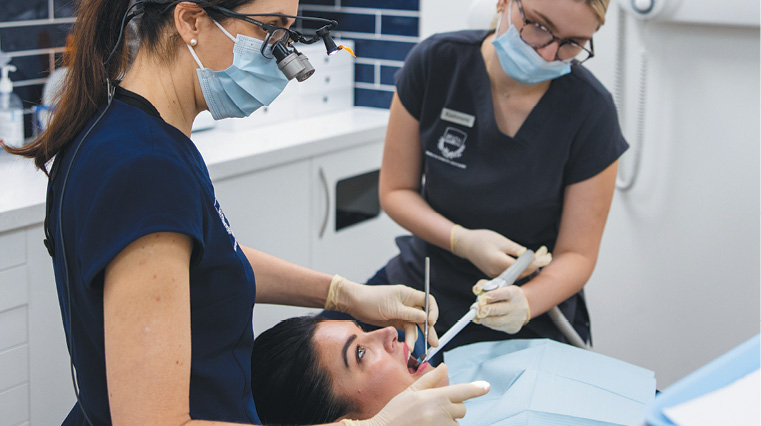
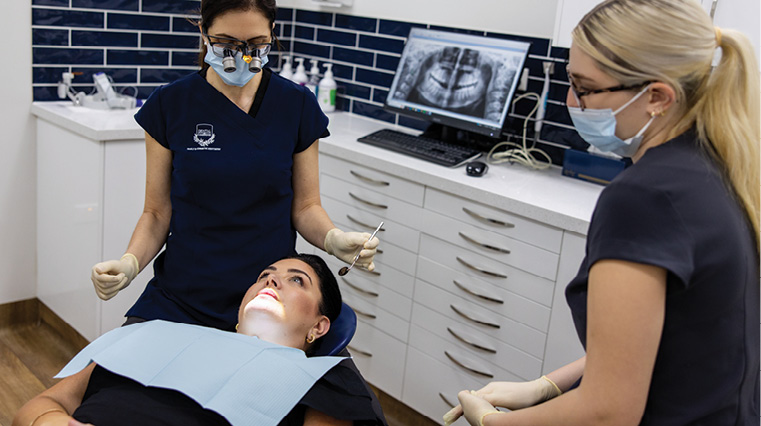
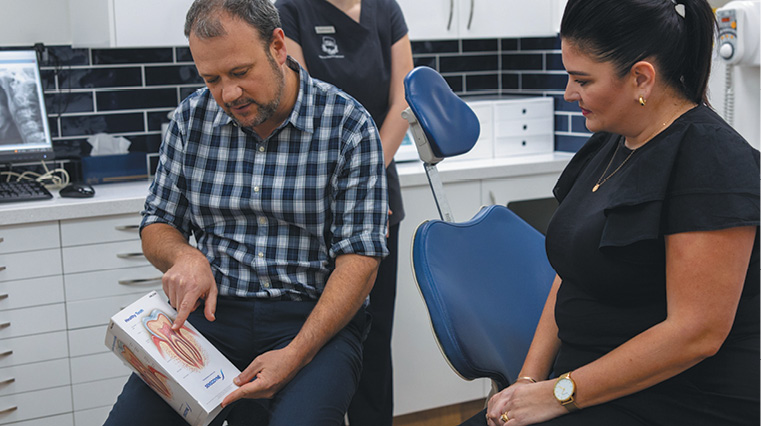
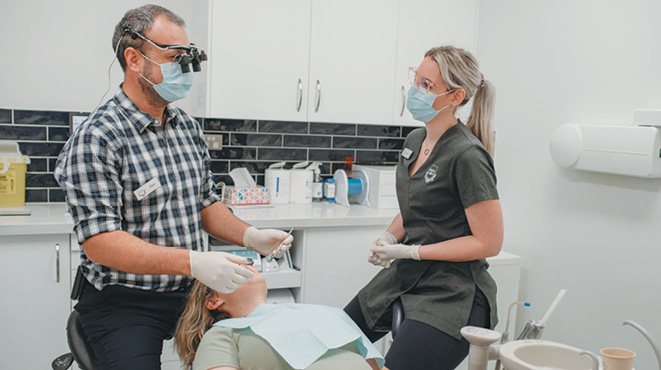
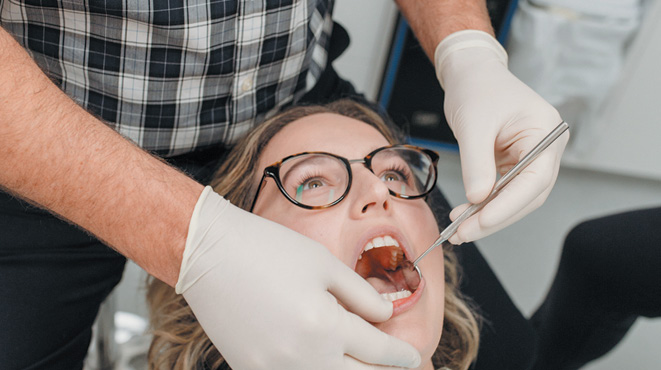
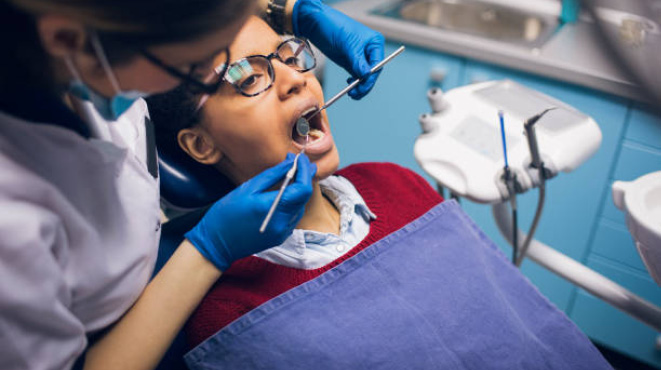
At Dental on Cambridge, our experienced dentists can assess the effects of dry mouth on your teeth and gums and help develop a preventive plan to protect your oral health. If your mouth is frequently dry, your teeth have suddenly become more sensitive, or you’re experiencing increased decay, don’t ignore the signs – book an appointment today with our experienced team.
References
- Healthdirect Australia. Dry mouth syndrome (xerostomia). Australian Government.
- American Dental Association. Xerostomia (Dry Mouth). ADA Oral Health Topics, 2026.
- Wolff A, Joshi RK, Ekström J, et al. A guide to medications inducing salivary gland dysfunction, xerostomia, and hyposalivation. Oral Diseases. 2017;23(2):153–169.