REVIEW BY ANNE CROWLEY
WHAT THE EXPERTS SAID:
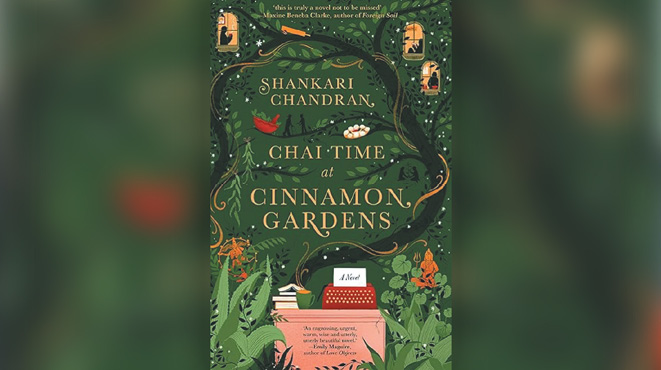
“Chai Time [Booker Prize winner 2023] is set in contemporary Australia, in a nurturing old-age nursing home in Sydney started by Sri Lankan Tamil refugees [Maya and Zhakir], but open to all. The novel keeps flashing back to Sri Lanka during the country’s nearly four-decade civil war… it charts their twin traumas: racism in their adopted country after having fled persecution at home. But it also celebrates their resilience.
“It raises a host of penetrating questions … Yet these questions emerge organically from an engrossing story peopled with vividly-drawn characters and told in elegant prose.” (Frontline: Interview with Shankari Chandran).
MY THOUGHTS:
I had been largely ignorant about the long-contested history of the first occupants of Sri Lanka, the atrocities committed against the Tamils, and their battle for recognition and independence (culminating in the civil war 1983-2009).
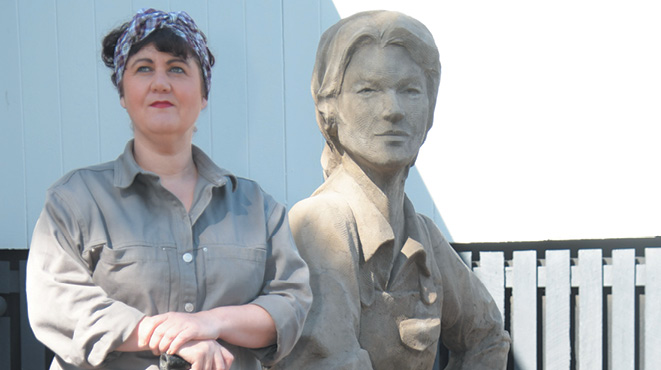
Parallels are drawn with the impact of Australian colonialisation on our First Nations people. In explaining to his seven-year-old son why he had removed a statue of Captain Cook from the nursing home, Zhakir explained, “I don’t like him because he was a conqueror and a coloniser…When he came here, he told a story about this country. His story erased the past and rewrote the future…”.
Zakhir’s act eventually became the excuse for an application to the Human Rights Commission by Gareth, rapidly disintegrating after the death of his young daughter and rupture of his marriage (and his contributions to those). This plot line is a bit farfetched, and quoting provisions from the Act unnecessary, but it provided a vehicle for discussing racism experienced by these immigrants (and others in real life) – a serious physical attack on Ruben, a kind and dedicated nursing home handyman, media fanning the fear and anger of white folk because the non-white immigrants ‘are coming to take what’s ours’, and ultimately a deadly attack on the nursing home itself.
But there’s more here than all the serious stuff.
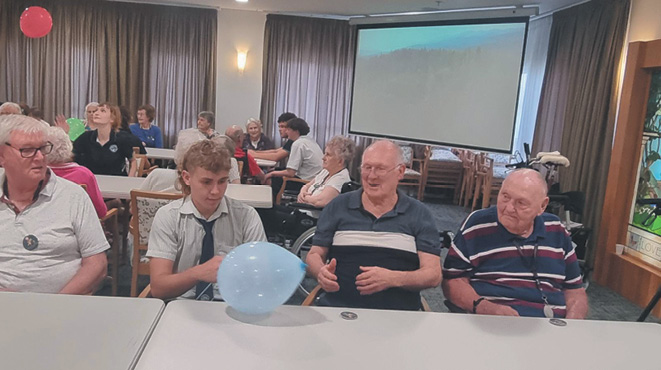
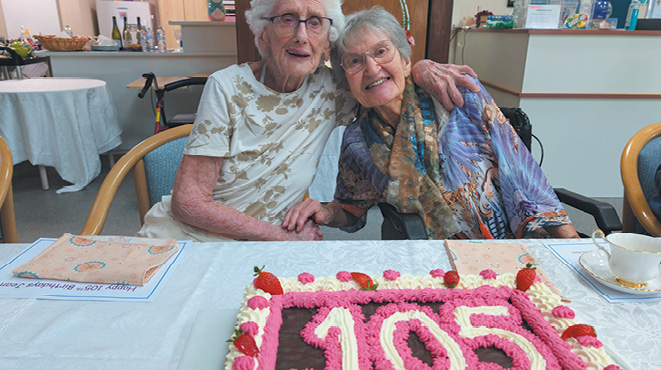
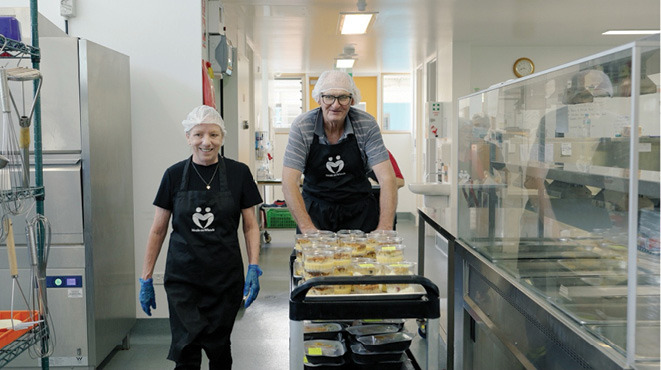
My favourite characters were Maya and Ruben. The respect and love shown by Maya and her family to the residents of the nursing home, engendering a sense of community was refreshing – if I end up in a nursing home, I hope it will be like this one!
The irony is not lost on Maya that she is unable to get her first book published until she takes on a pseudonym – then she becomes a best-selling author whose lead character is an indomitable white Australian woman whom readers imagine as the author herself.
And I laughed with Maya. By now a resident herself, in competition with one of the other residents about the appropriate configuration of Hindu God figurines in a shrine – based on their own opinion of which deserved the most deference – they raced each day to get there first to arrange them so.
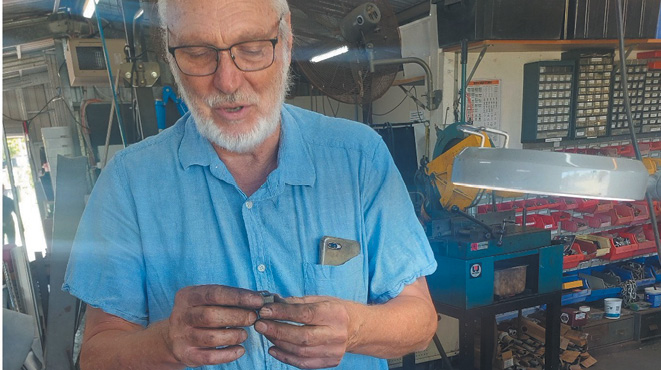
Ruben is an unfolding mystery. Committed and loyal, he helps staff and residents alike – no task is too menial. And he is also fluent in 10 languages! Gradually, we learn more about his Sri Lankan background as well as solving other mysteries – what happened to Zhakir, and why Ruben has chosen to work at the nursing home despite his exceptional qualifications.
The weightiness of some subjects in the book is balanced by the colour, humour, and human kindness of others, making it a very readable and memorable book.