BY ANNE CROWLEY
WHAT THE EXPERTS SAID:
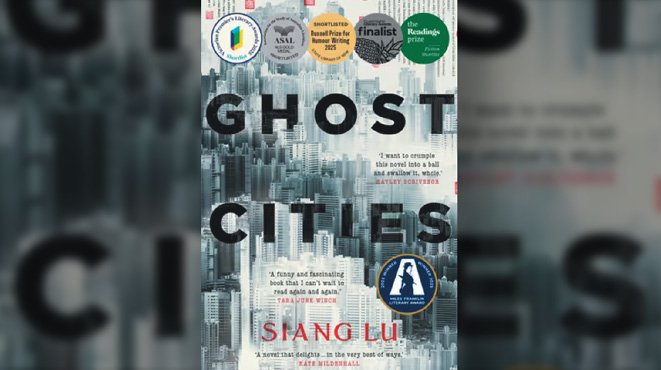
“Ghost Cities is as beautiful as it is honest as it is funny as it is silly, absurd and satirical.
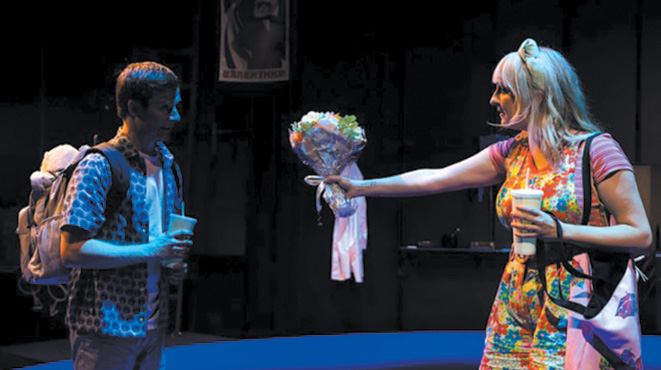
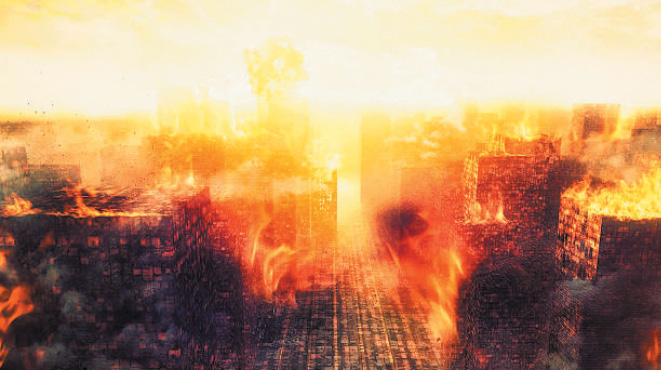
“A Chinese-Australian character named Xiang Lu gets fired from his job at the Chinese consulate in Sydney after it’s discovered he doesn’t speak the language, and has been relying on Google Translate for his work. The incident goes viral under the hashtag #BadChinese and attracts the attention of a megalomaniacal film director, Baby Bao, who uses Lu to attract press for his latest film. Bao’s movie is based on an ancient text whose empirical story is to be filmed in one of China’s ‘ghost cities’: vast developments quickly built for the country’s booming population that stand mostly empty.” Source: The Guardian.
MY THOUGHTS:
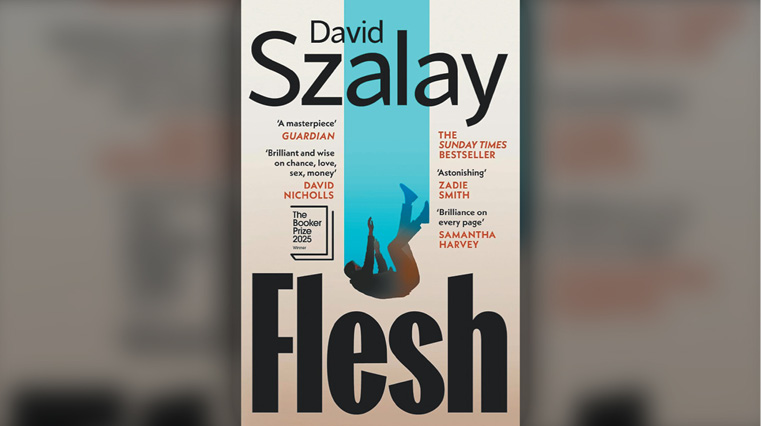
I agree with the opening description by The Guardian! This is a feast and a labyrinth of a book. The interspersed stories of the ancient Chinese city and modern Port Man Tou, and their whimsical dictators, highlight parallels despite the centuries between. “What other role in this world is more like that of Emperor than Director? Both are in full command of his world, his domain, his set.”
“The Emperor was uniquely talentless and took enormous pride in this fact.” So too was the Director, whose films showed smart watches on historical characters – accidentally on purpose! Each was prone to bankrupting their realms, building huge edifices to cast their shadows over their minions. Each dispatched frequent missives to the population pronouncing erratic new edicts that increased the stranglehold on people’s freedoms, and extreme punishments for non-compliance. And each banished their deputies at whim when displeased – the Emperor ‘rehousing’ them in a tower named ‘the six levels of hell’, and the Director ‘recasting’ them into slave-like roles in a factory.
I saw resemblances among these two and a current leader we hear about daily!
The book’s dark side explores duality, duplicity, reality and illusion, for example, in the ancient city, the Imperial Chef created entire banquets from tofu made to mimic a smorgasbord of delicious treats: “Attendees reveled and feasted as if their very lives depended on it”. In Port Man Tou, a bookshop the setting for the launch of Lu’s ghost-written-book is filled with books, but all are completely blank except for a one-line message aimed at manipulating Lu and his girlfriend.
Other common themes are: art versus artifice – the imposter farmer had created a garden of fruit made of painted stones; “He had constructed a thing that was useless in its beauty and beautiful in its uselessness.” And the question of ‘what is perfection?’–“Everything crumbles in time, but that which is conceived as a ruin is forever perfect in its ruination. Its deliberate imperfections appeared flawless.”
And woven through each setting is a love story, with language and stories at the heart.
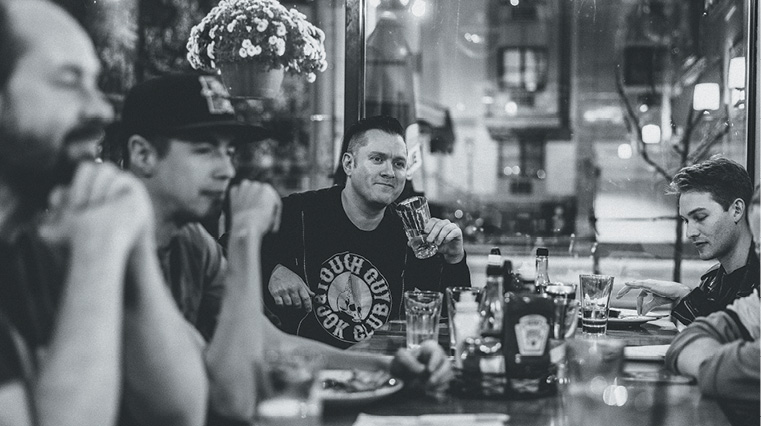
I enjoyed the word-play and sense of the ridiculous, and there are so many topics to explore, making for a very enjoyable thought-provoking book club conversation. I’d recommend it to both individual readers and to book clubs – but you will need to read it at least twice to plumb its depths.