BY JAN NARY
One of our most romantic calendar dates started with a Christian physician priest being clubbed – then beheaded – in 3rd century Rome. Or so the story has it, even to stating the date as 14th February. There are stories about several St Valentines but this is the most widely accepted one. It seems that Valentine incurred the wrath of Claudius II by evangelising and performing Christian marriages for couples so that the husbands could escape conscription into the Roman army. Hence the martyrdom – but not until he had cured his gaoler’s daughter of blindness and given her a note signed “from your Valentine”.
Perhaps coincidentally, St Valentine’s Day falls in mid-February, the time of the Roman Lupercalia festival, a celebration of spring and fertility that was celebrated in the way that fertility revels have always been celebrated. In the 5th century, Pope Gelasius I banned it, feeling it had gone a bit beyond the pale, and suggested that celebrating a saint might be a bit more respectable.
In 14th century England, Chaucer’s poetry reinforced the romantic Valentine connection by stating birds chose their nest-mates on St Valentine’s and the die was cast. By the 18th century, Valentine cards were well established (perhaps an offshoot of the traditional German Freundschaftskarten – friendship cards) and they remain an essential part of a stationer’s annual stock.
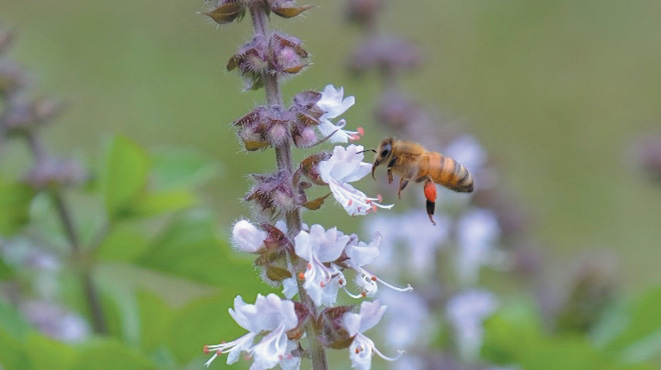
Valentine means strong and it’s just as well; the saint has a busy schedule. As well as being the patron saint of lovers, he has the added responsibilities of beekeepers and people with epilepsy.
On a less romantic note, a Valentine is a British infantry tank – in fact one-quarter of all the tanks and derivatives produced in Britain during the Second World War were Valentines. No connection to romance here, the name was probably derived from Vickers’ telegraphic address or chosen to honour the then recently deceased Sir John Valentine Carden, acclaimed tank and vehicle designer.
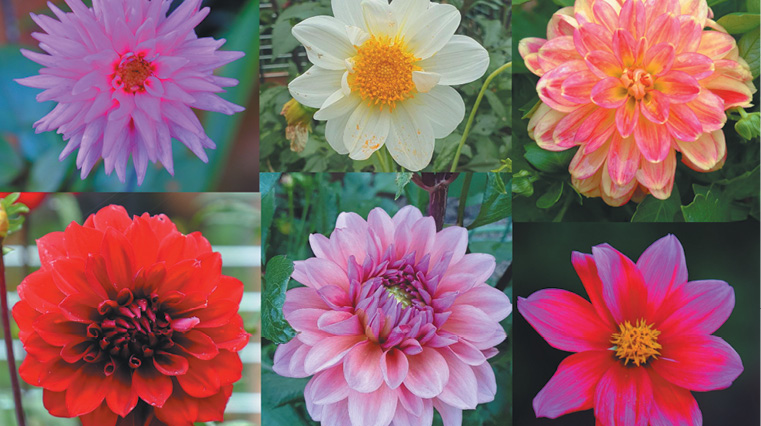
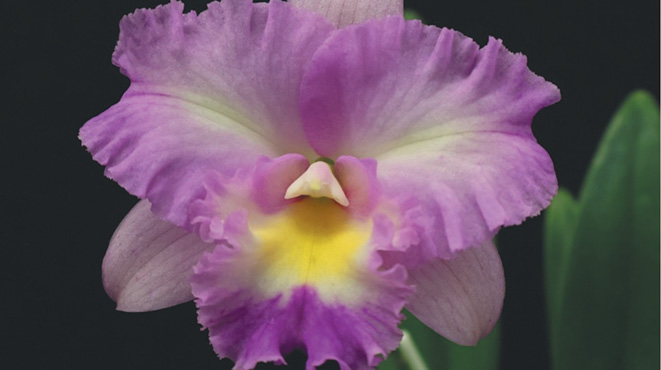
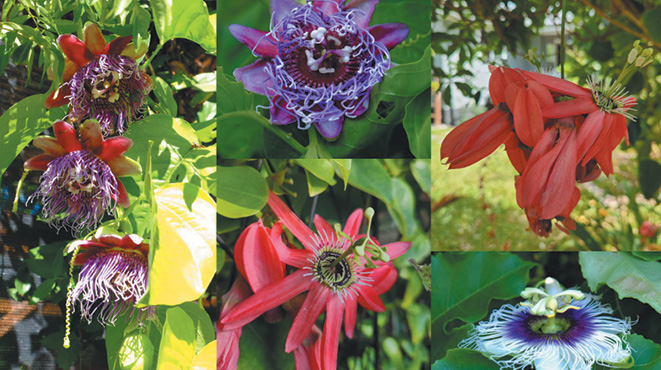
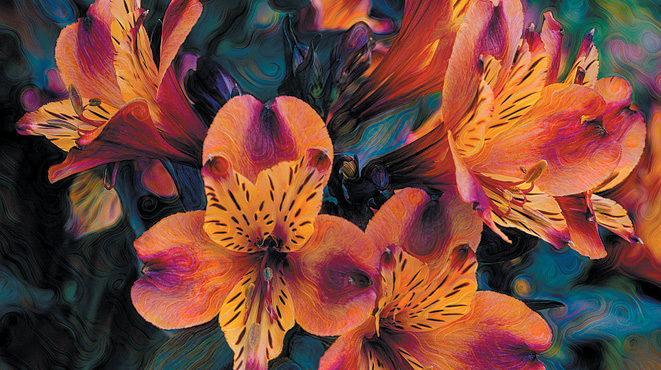
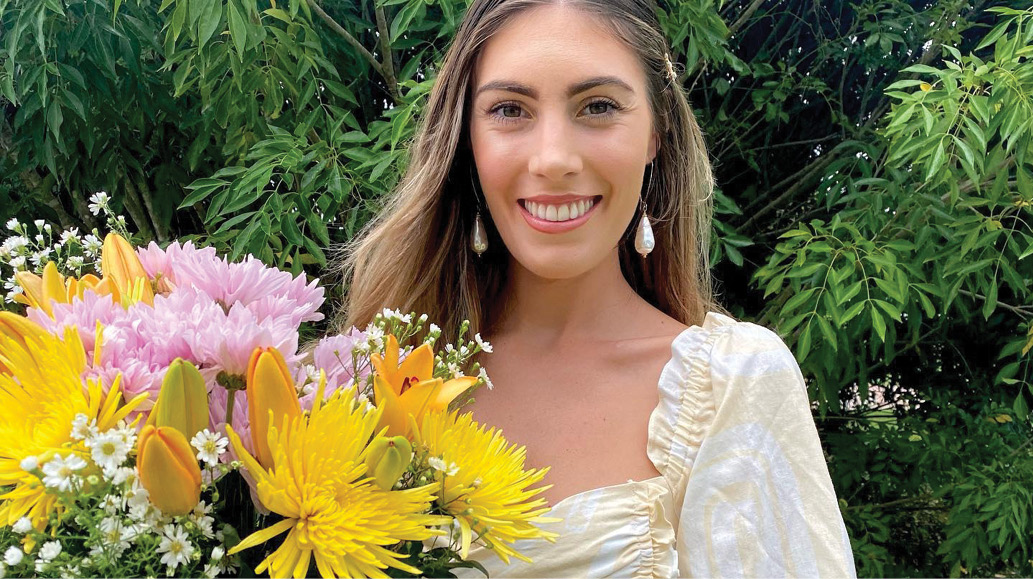
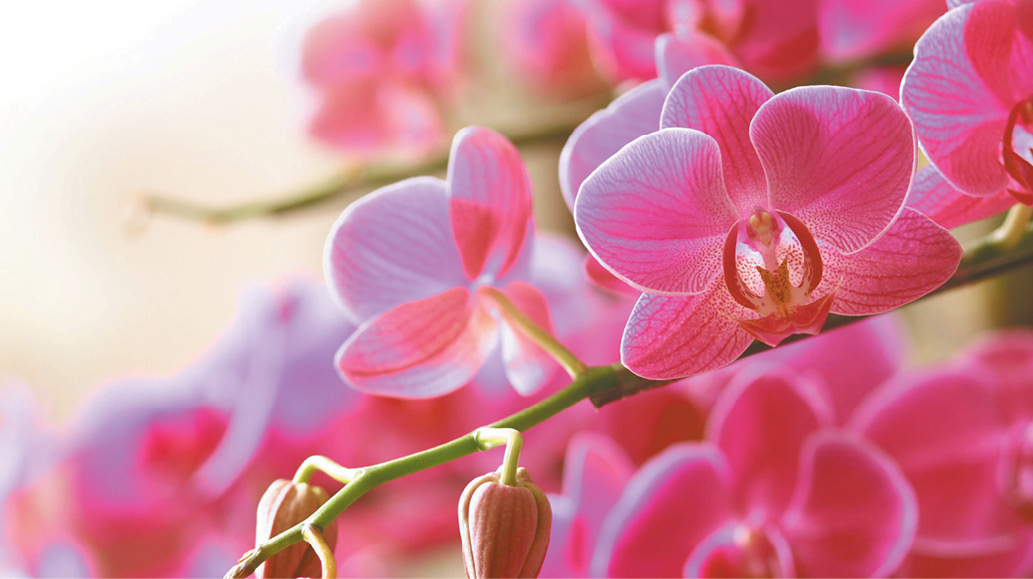
Romantic Victorians used to send messages by bouquets, so if you’re buying flowers, remember that each flower has a meaning. Here are a few to choose…or avoid!
Yellow Acacia – secret love
Bridal Rose – happy love
Red Chrysanthemum – love
Honeysuckle – affection Rose – love (But beware! Yellow rose = jealousy)
Fern – sincerity Hibiscus – delicate beauty
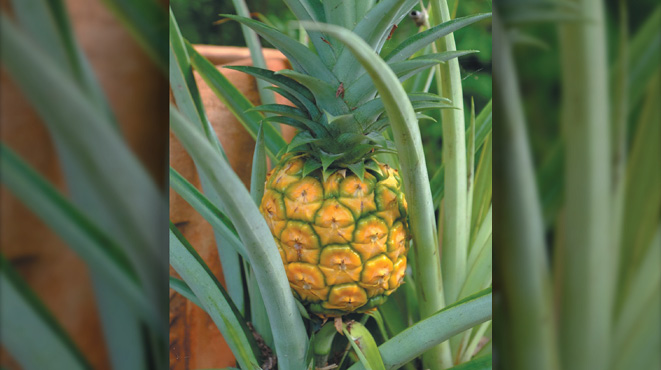
Pineapple – you are perfect
Lavender – distrust
Oleander – beware Rhododendron – danger