Photo: Supplied.
CONTRIBUTED BY CATHERINE HEINER
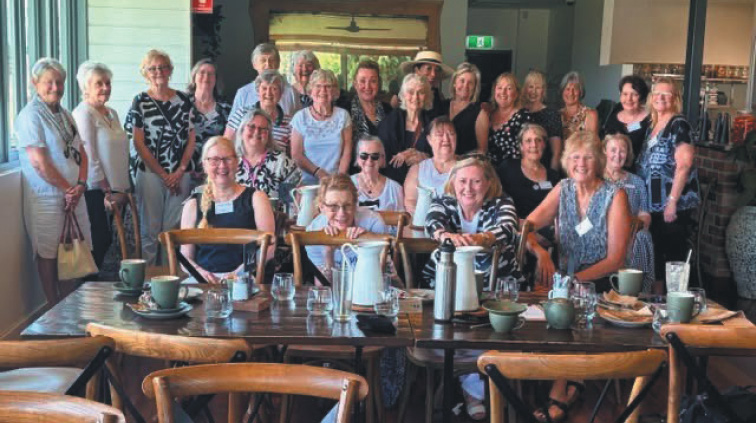
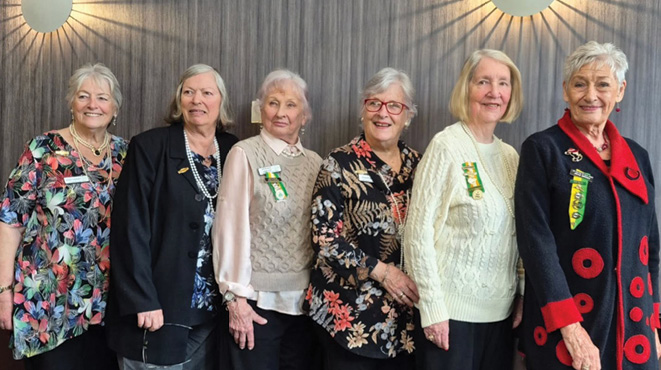
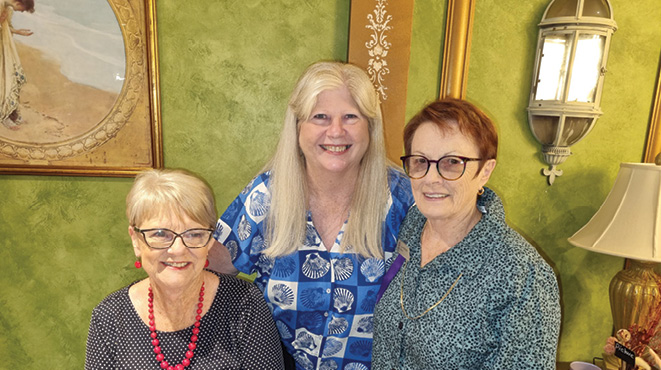
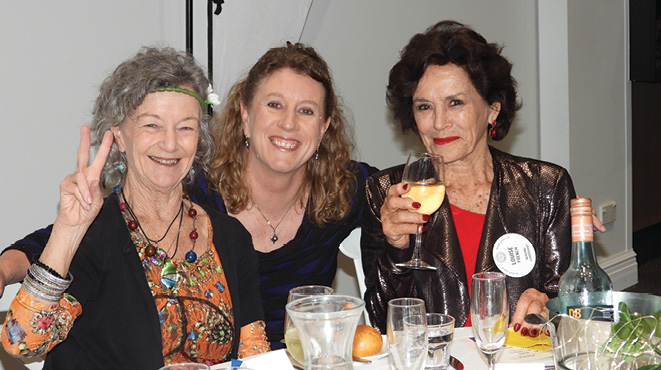
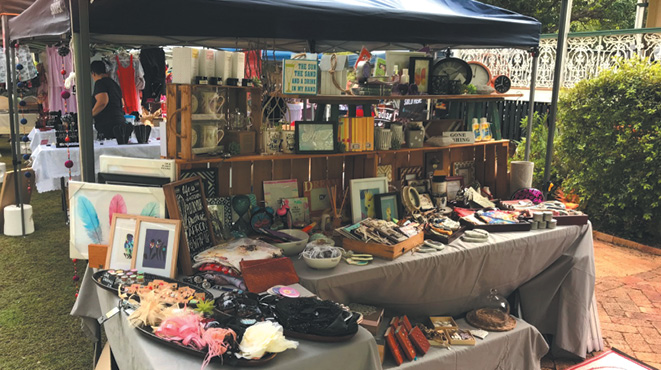
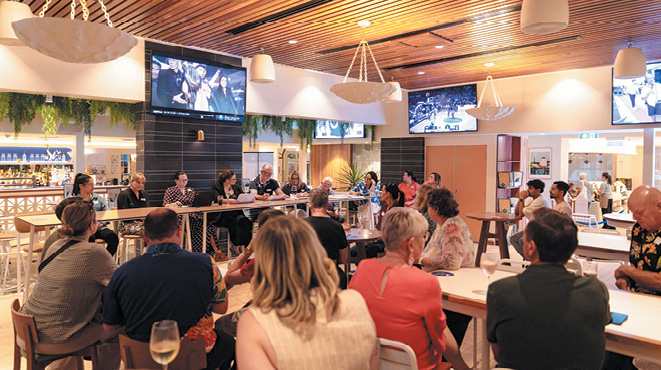
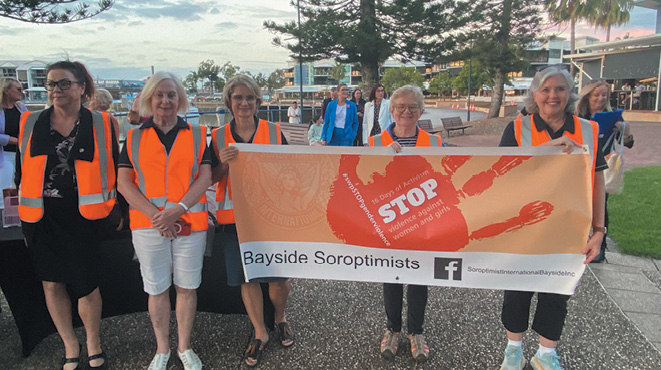
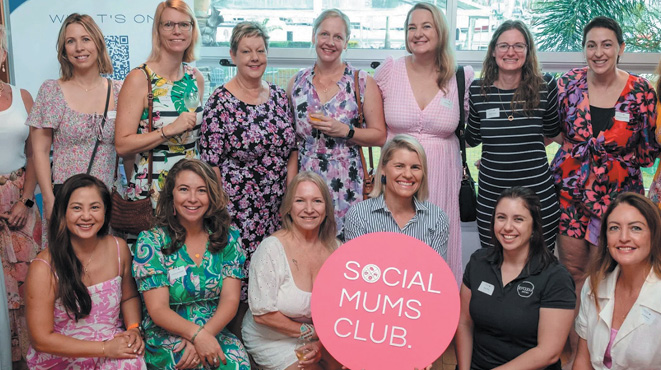
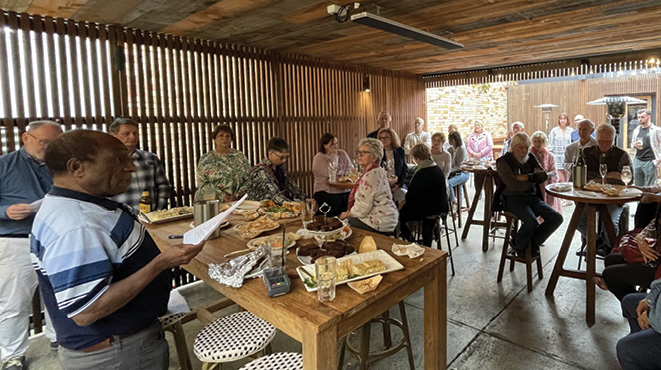
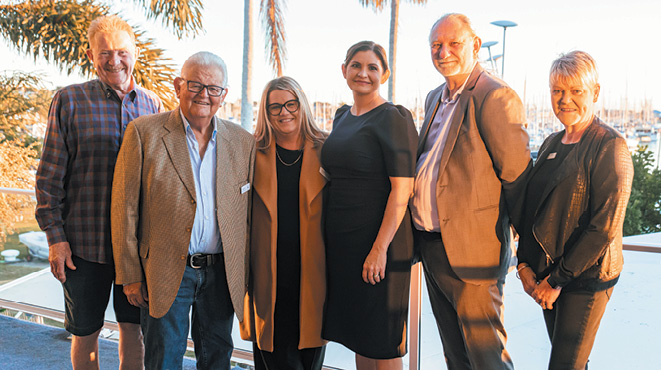
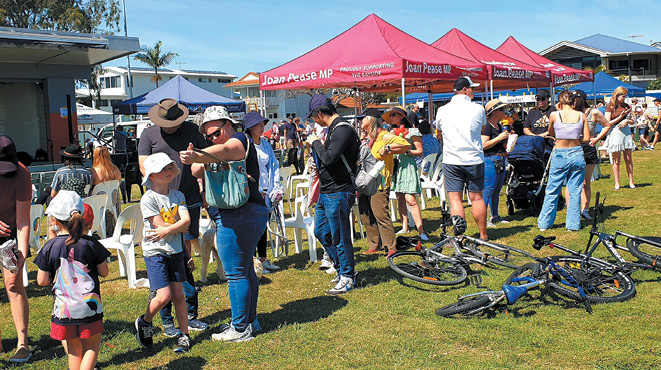
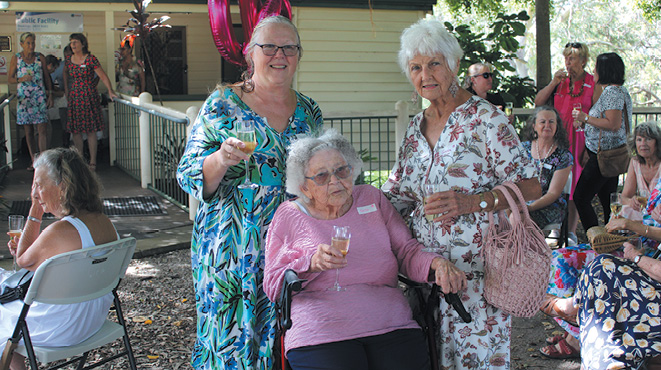
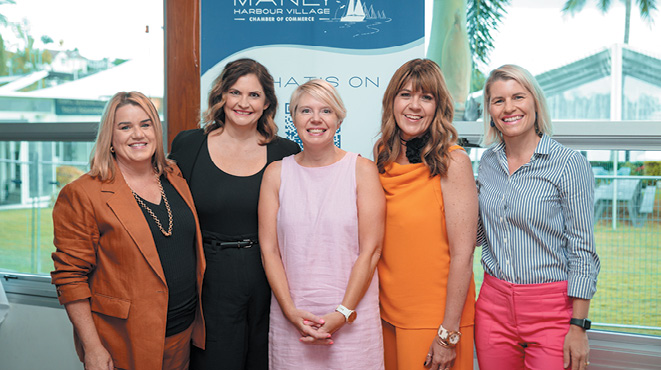
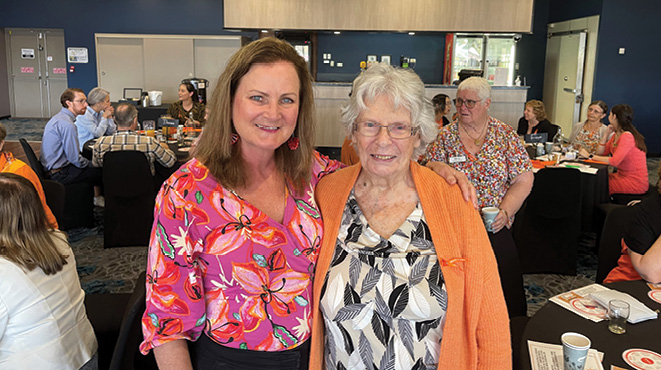
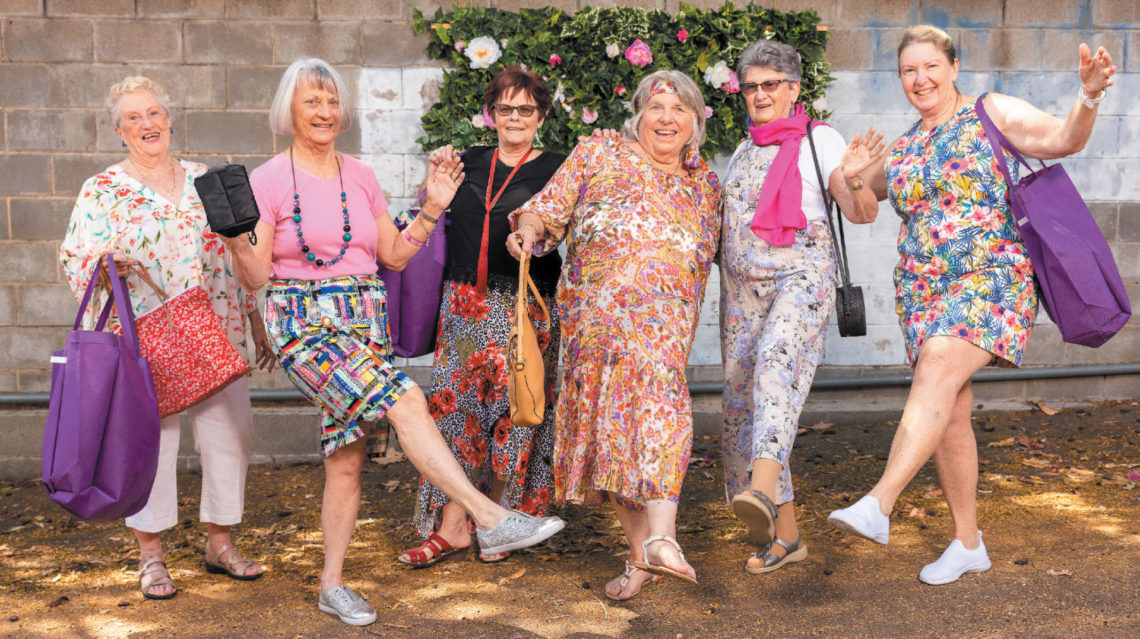
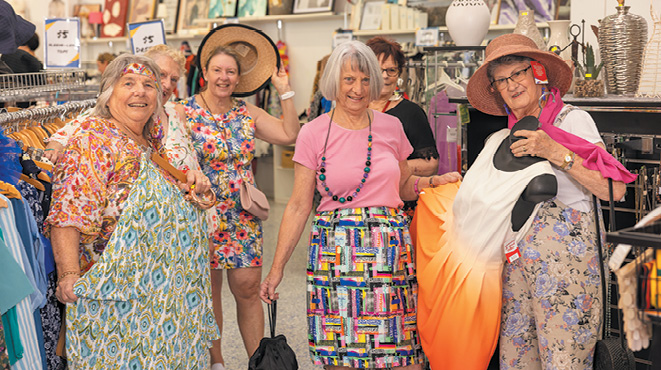
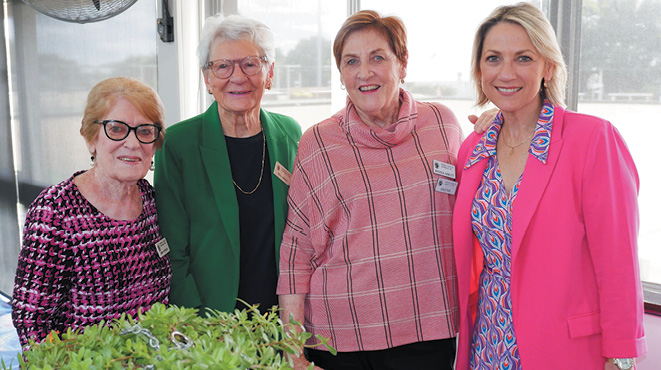
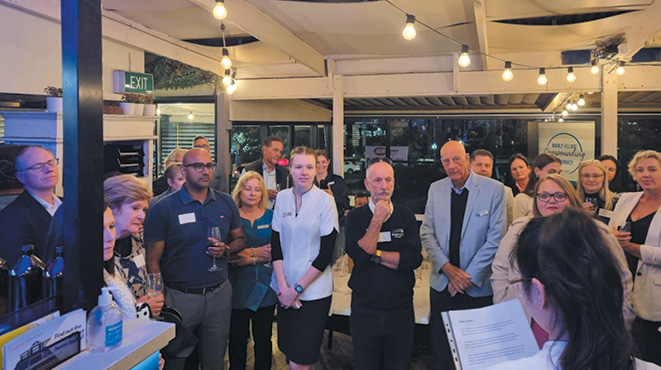
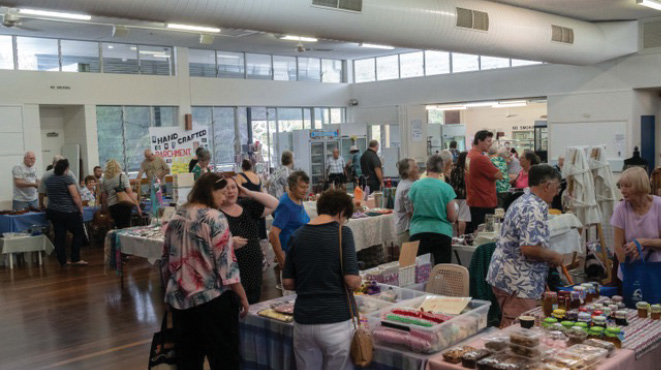
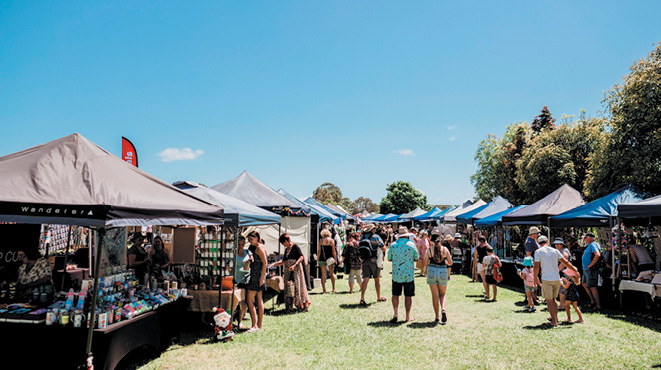
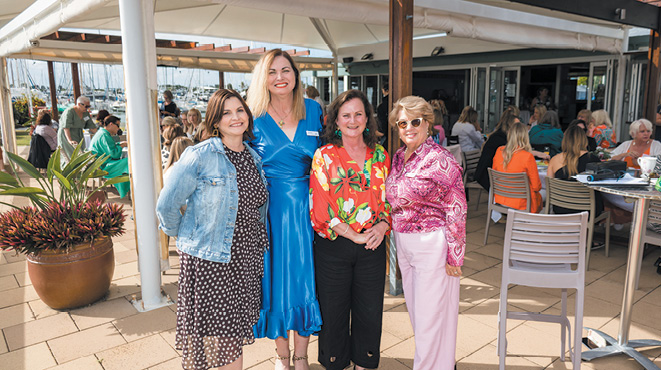
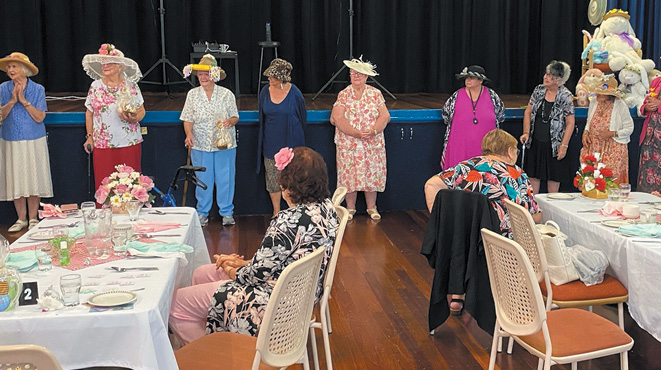
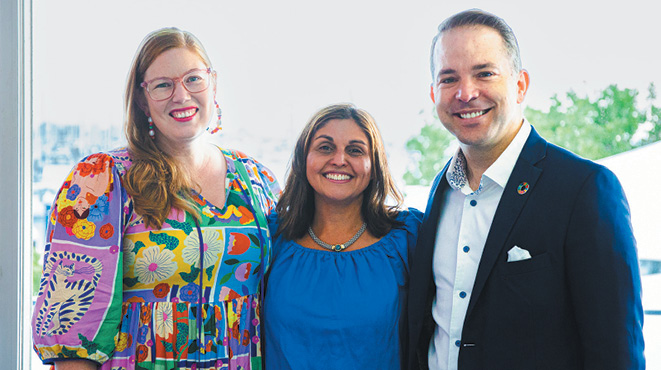
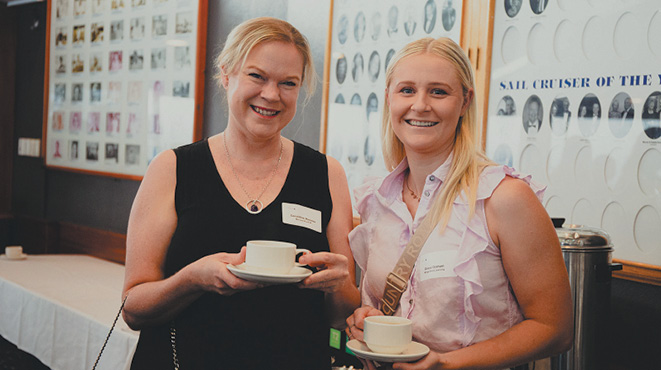
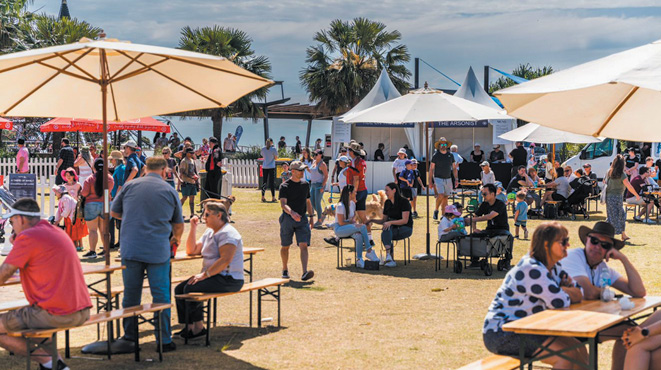
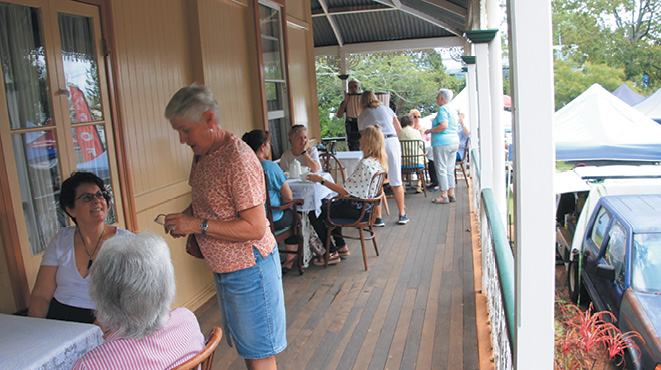
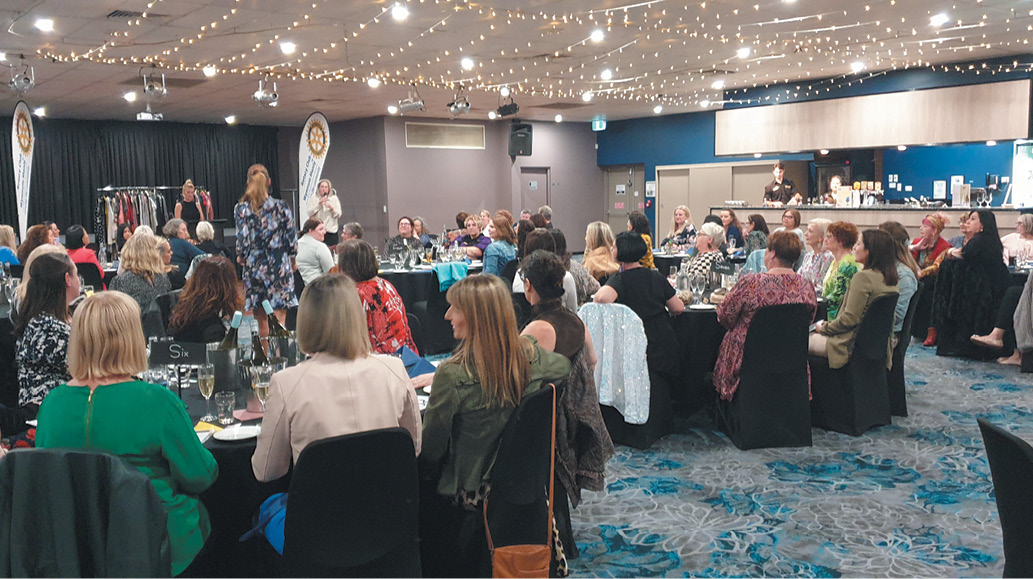
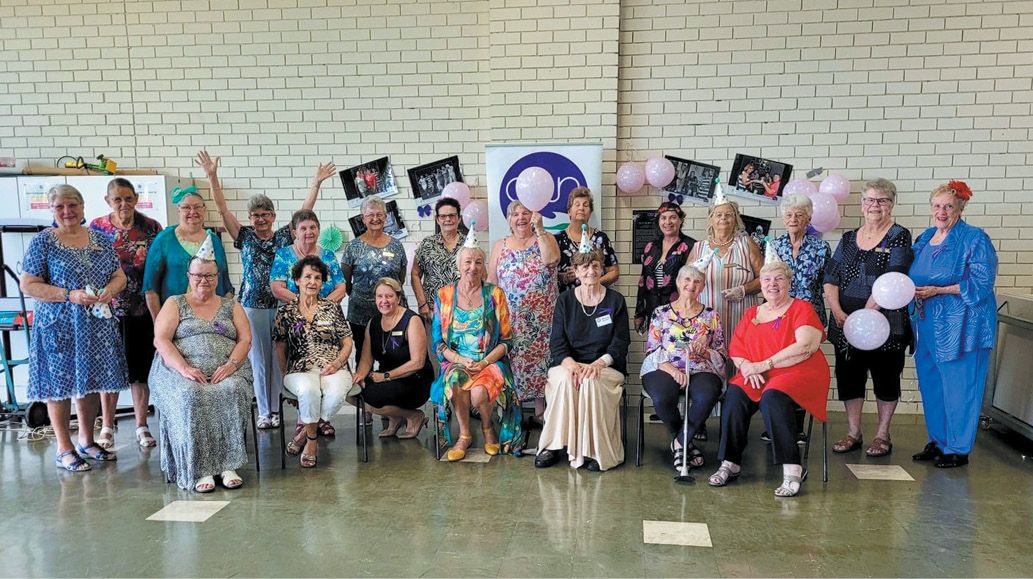
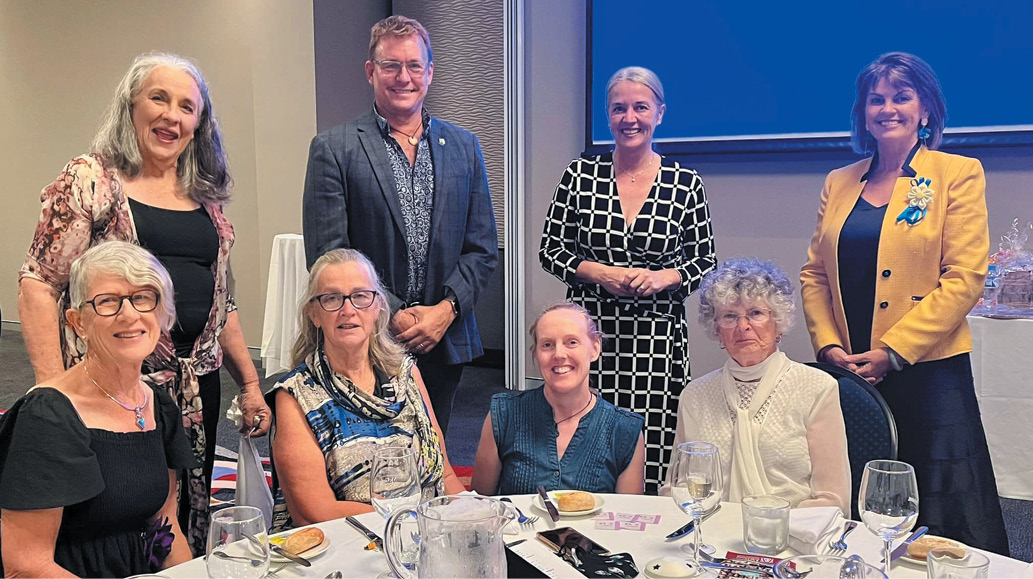
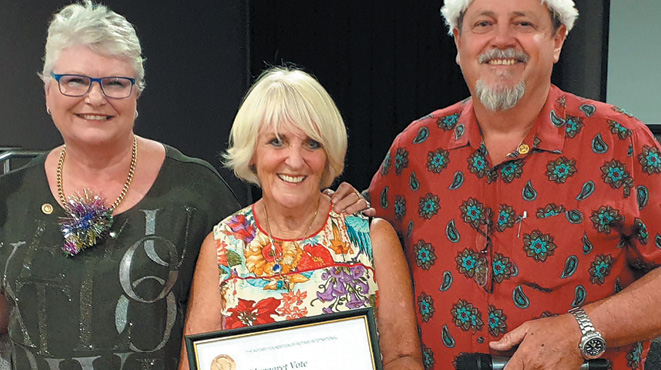
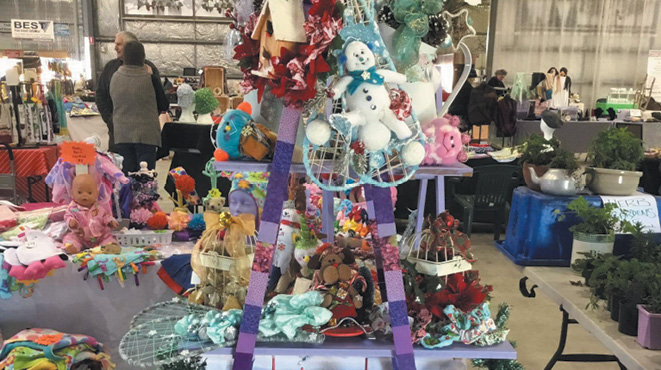
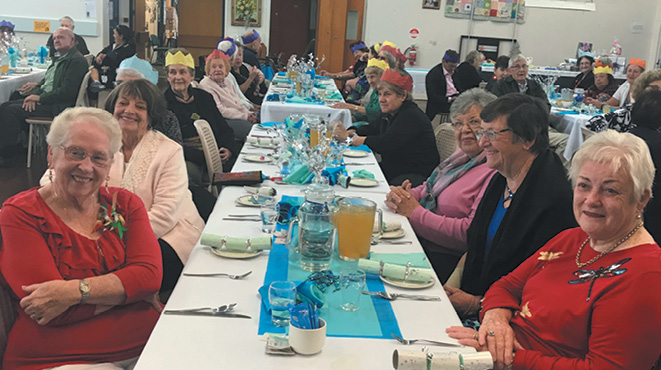
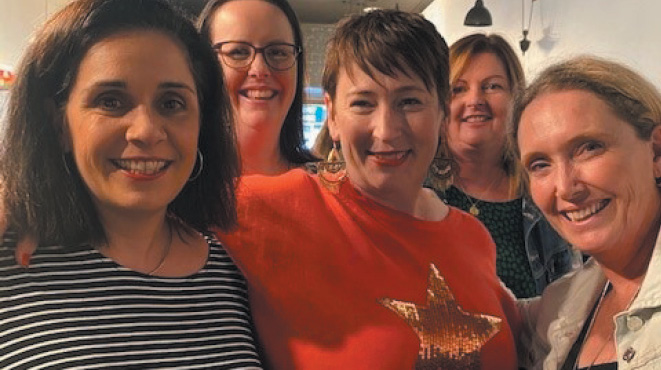
Soroptimist International Bayside recently held its first Soropti-Swap – Recycle, Reuse, Upcycle event. Designed to draw attention to the issue of textile waste going to landfills, the event offered alternative solutions like swapping garments, choosing sustainable natural textile fibres, or upcycling clothing.
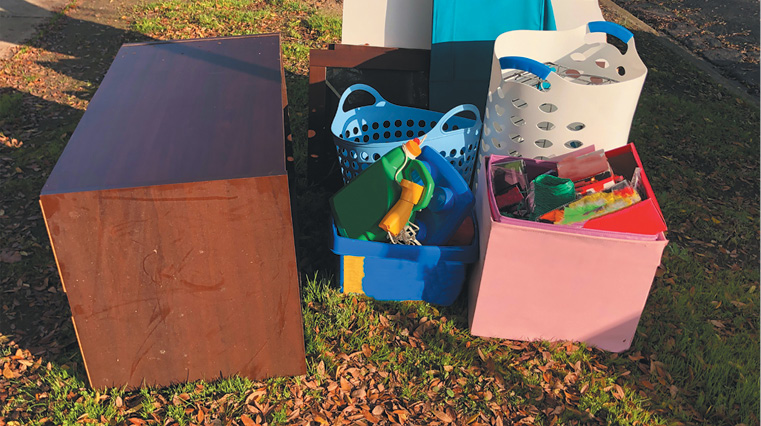
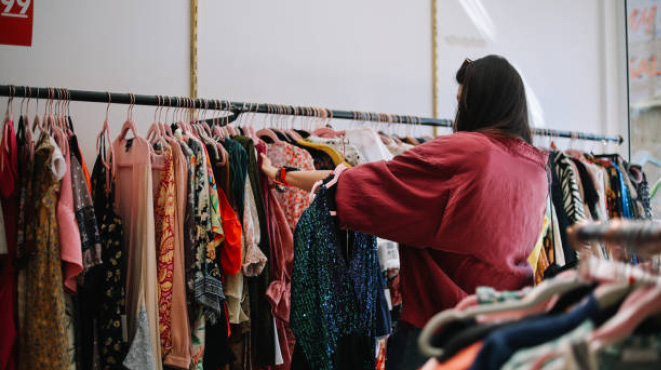
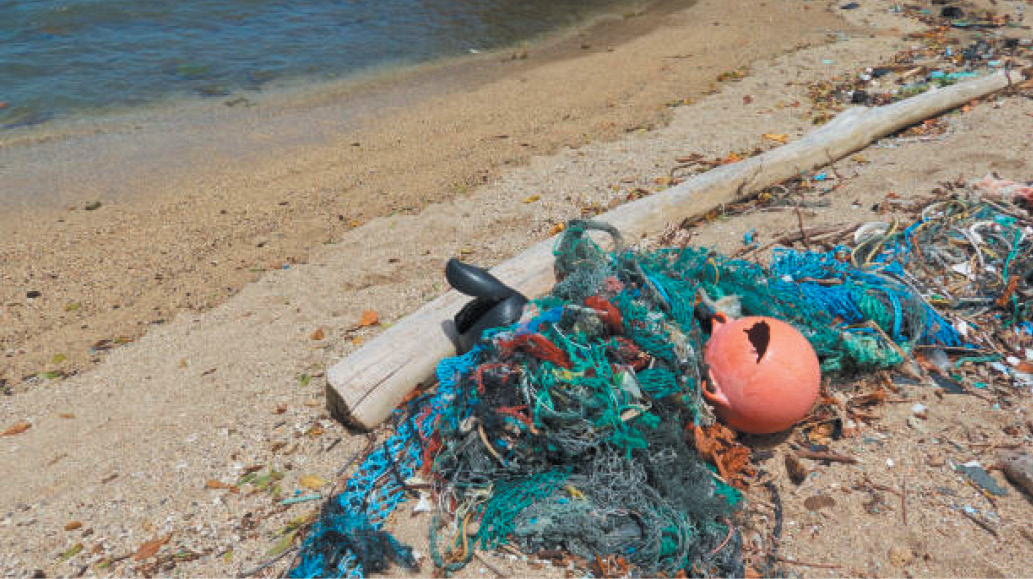
Australians hold the unfortunate record of purchasing more clothing per capita than anywhere in the world. This results in large volumes of textile waste going to landfills; meanwhile, many of our waste centres are reaching capacity.
Soropti-Swap served to raise awareness of this problem and to encourage more people to reduce, recycle or upcycle garments and textiles. It also gave people the opportunity to donate garments and swap these for new items to put in their wardrobes.
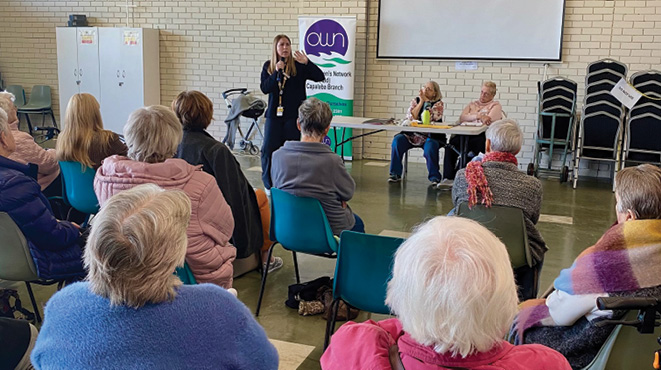
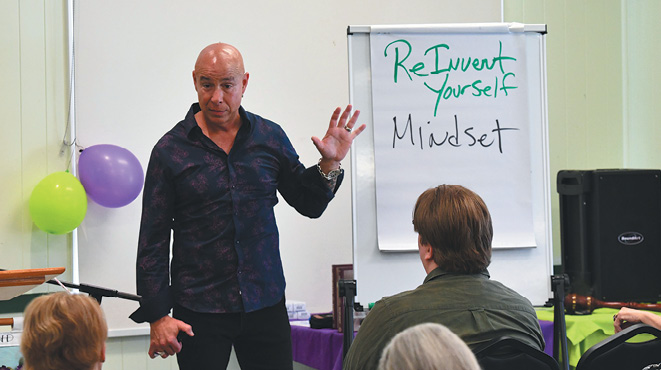
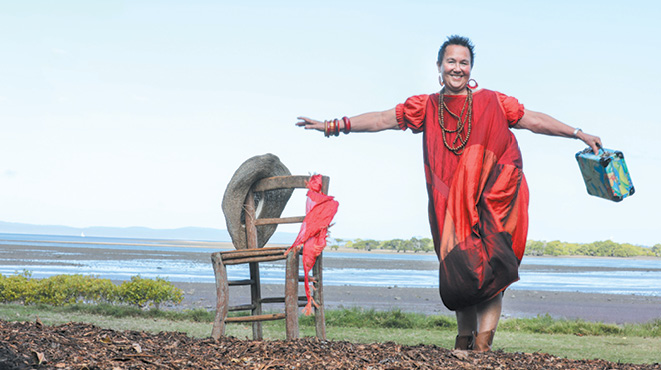
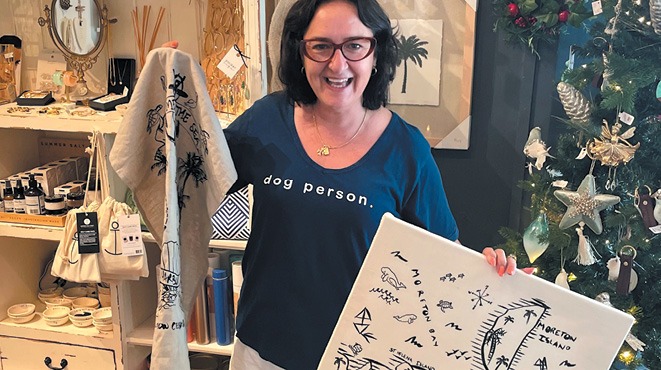
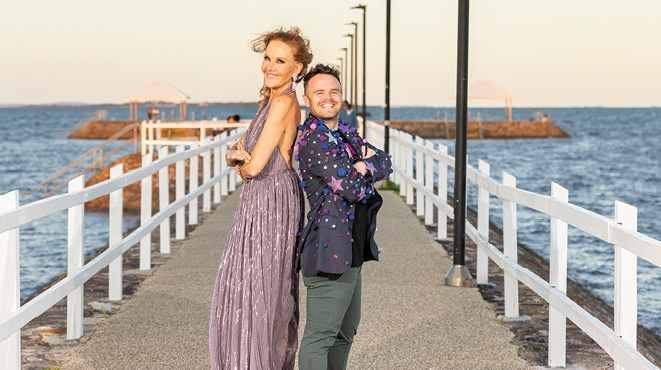
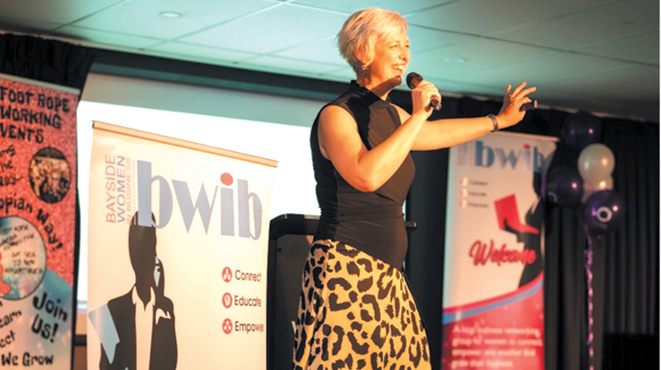
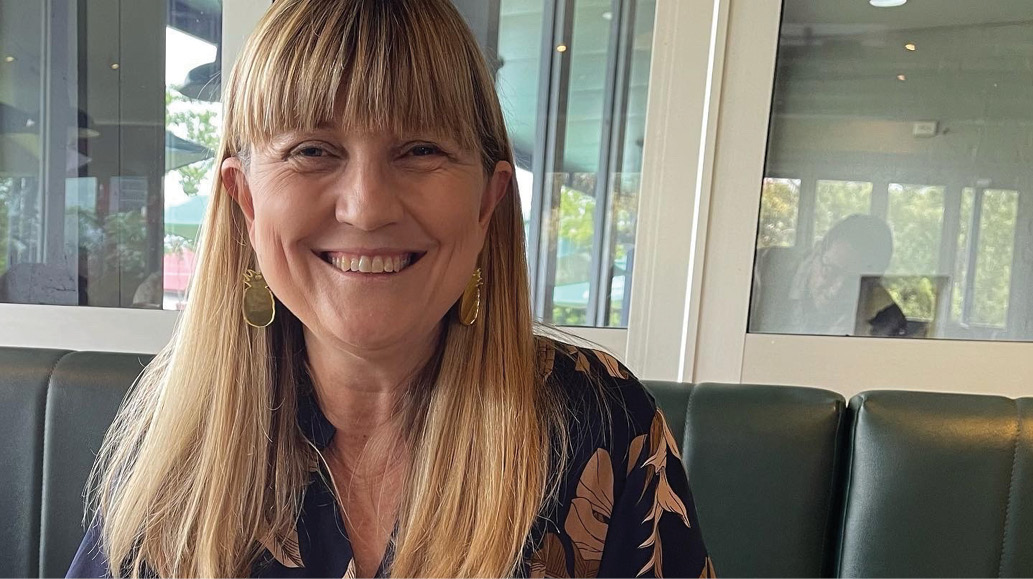
Guest speaker, Kim Bailey, from East of Grey, told her journey of creating sustainable fashion and her commitment to innovative design.
“It is my aim to design pieces people don’t want to discard,” said Kim, “pieces they hold onto, mend, pass down through generations.
“I want people to feel special in the garments I make…to continually reach for that skirt that makes them want to twirl, or that top they always get complimented on…I want to bring the art back into fashion, to encourage people to have fun with their outfits.”
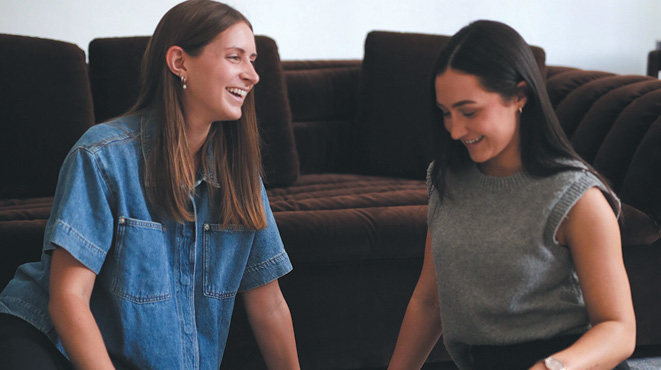
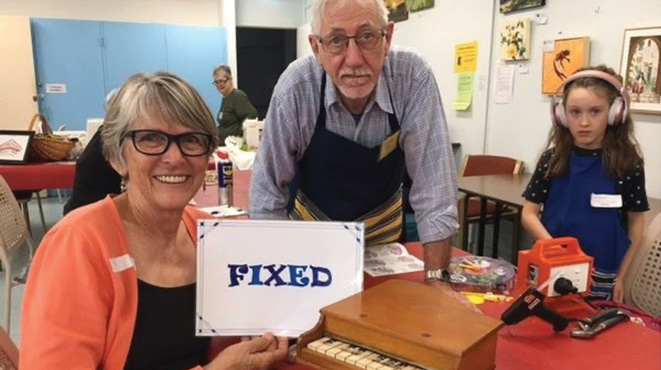
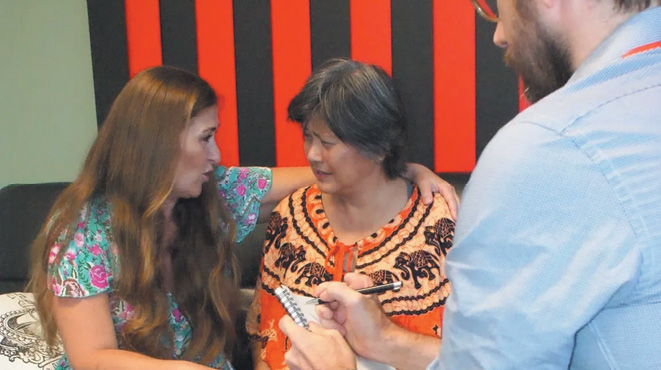
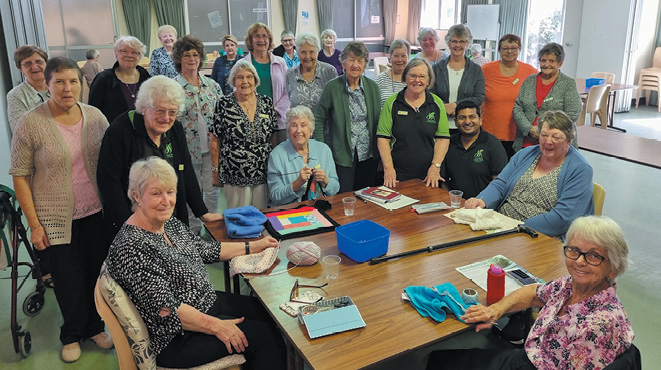
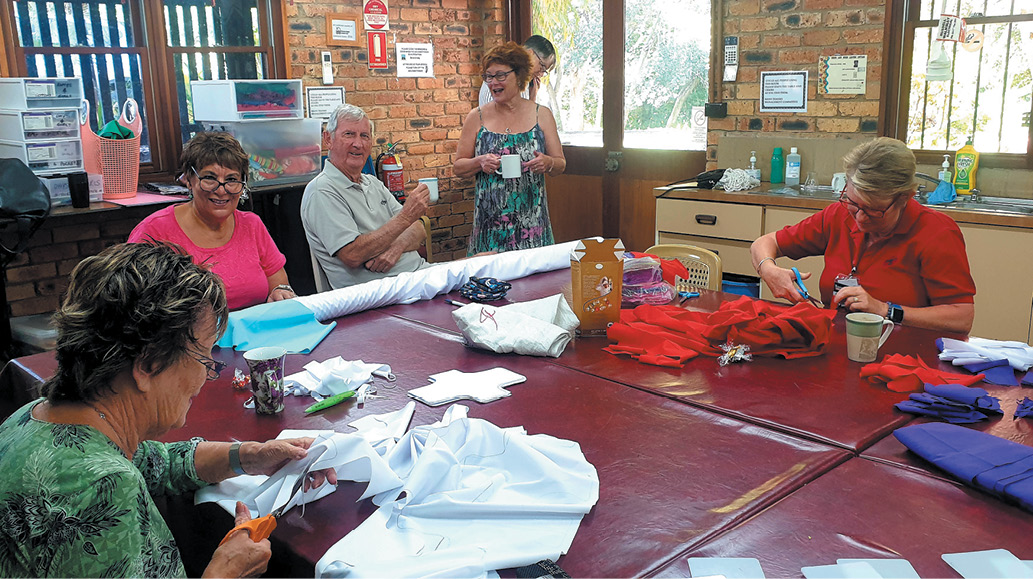
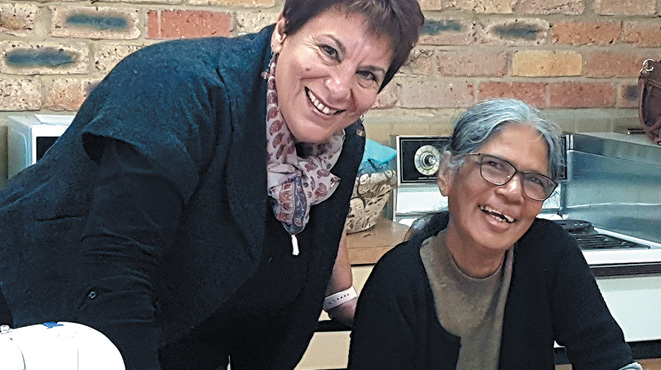
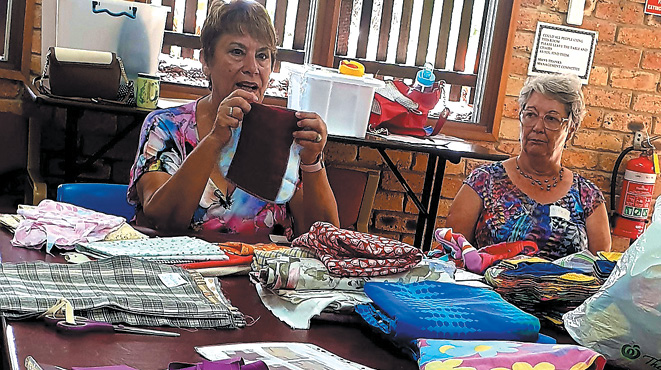
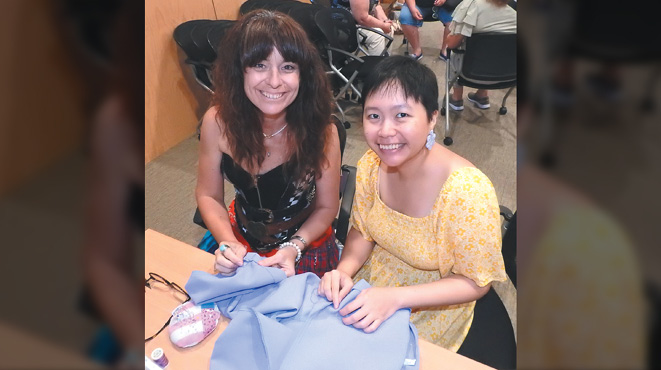
Kim then ran a workshop helping people to mend, reuse, or upcycle garments to bring new life to much-loved clothes.
“If we can become aware of a garment’s lifecycle, we can make knowledgeable decisions,” Kim pointed out. “If we choose fabrics made from natural fibres, we can lower the effects…at the end of their life.”
The public was also able to chat with people who upcycle or recycle fabrics and garments. The Wellington Point Village Creative Studio Cooperative sells fabric, cottons, wool, homewares and other gift items at their retail store, as well as running workshops to teach crafts.
Wild and Wayward Designs offers handmade garments and accessories which range from casual to extravagant, emphasising sustainability through minimal, made-to-order pieces.
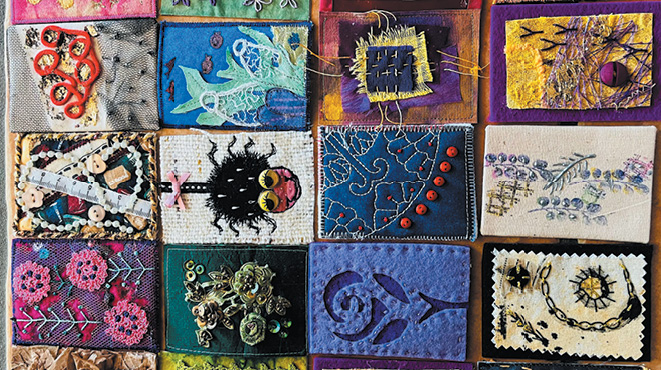
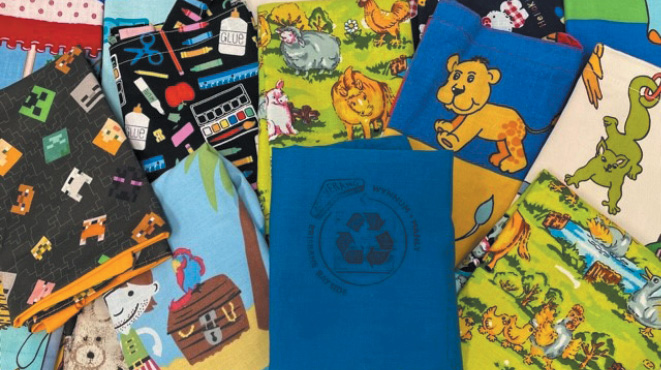
Julie Salter also showed various quilts made from offcuts and repurposed items. She makes memory quilts for those who have lost loved ones, using the loved one’s clothes.
Being aware of a company’s supply chain, looking for garments that use natural fibres, and finding ways of reducing textile waste ensure ethical and sustainable environmental practices for our future.
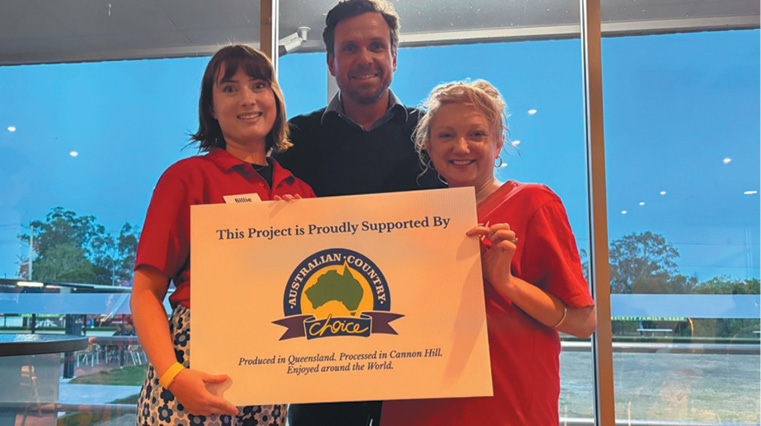
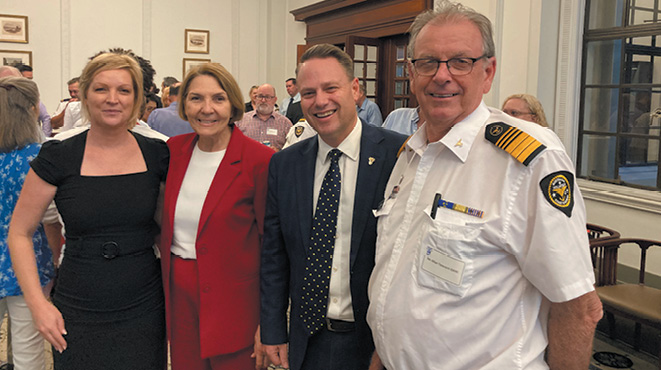
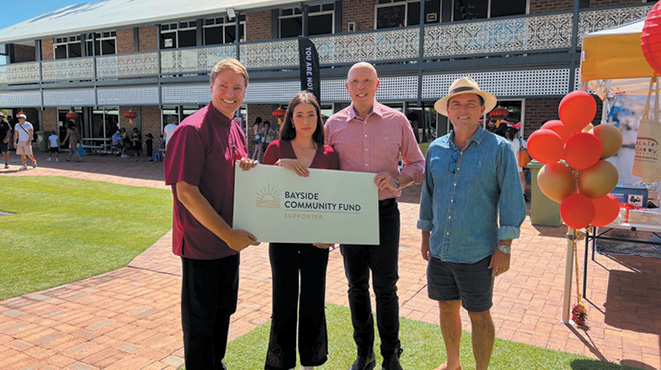
Soropti-Swap was proudly supported by the Redland City Council Mayor and Councillors’ Community Benefit Fund.