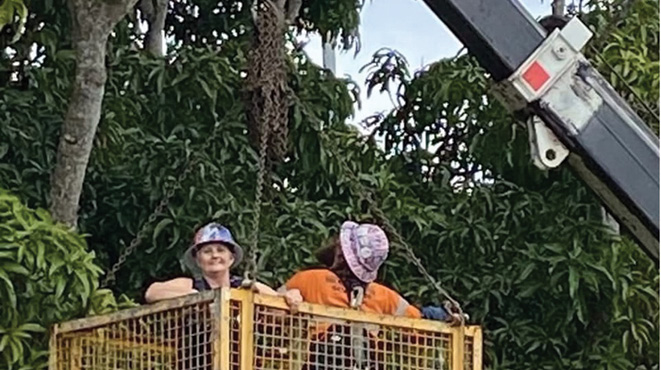
Photo: Supplied.
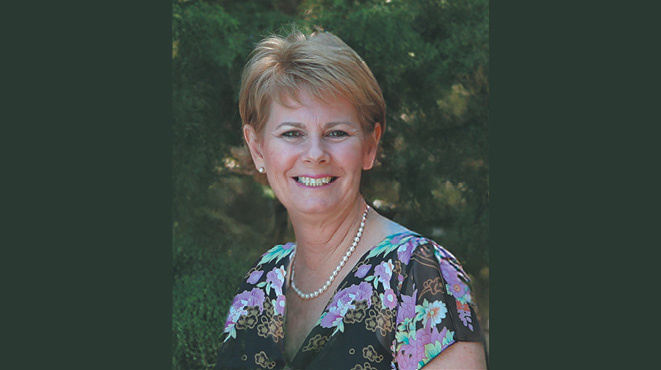
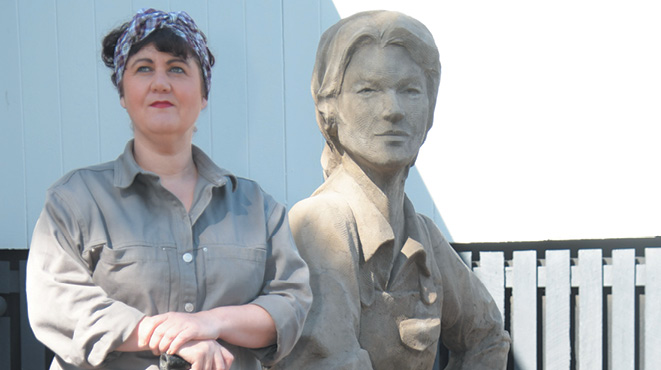
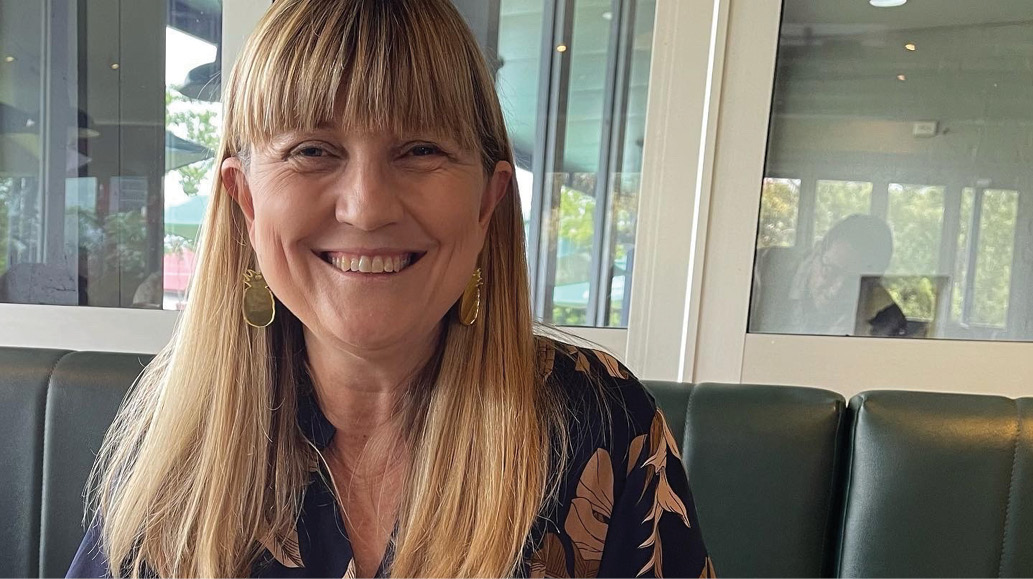
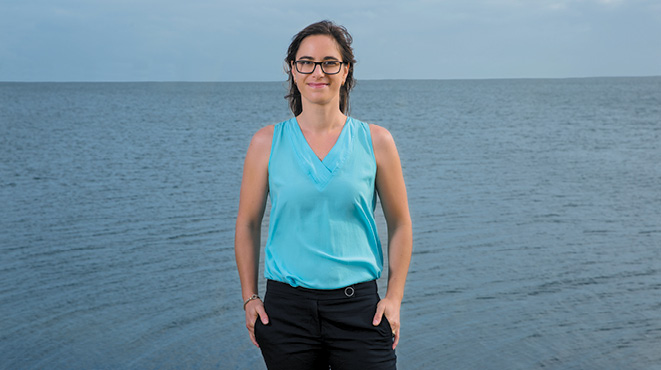
Having stepped out of the kitchen and into a wider post-war workplace, women have moved into jobs that would have once been unthinkable. As a youngster, Polly Schwartz had no idea that she’d find a career as a crane driver. Possibly influenced by having four brothers, she loved cars and trucks, and thought that driving an old sanitary truck would be a fine life.
“My first jobs were in an animal shelter and at a veterinary surgery, but I moved on to doing set construction at Movie World, on the tools and driving a forklift,” she says. “After tailing cranes around for a while, I thought, I want to go bigger! So I did. I started as a dogger, establishing the weight of the lift, choosing chains or slings, appropriate lifting devices, directing the cranes, checking power lines – then moved up to operating cranes.”
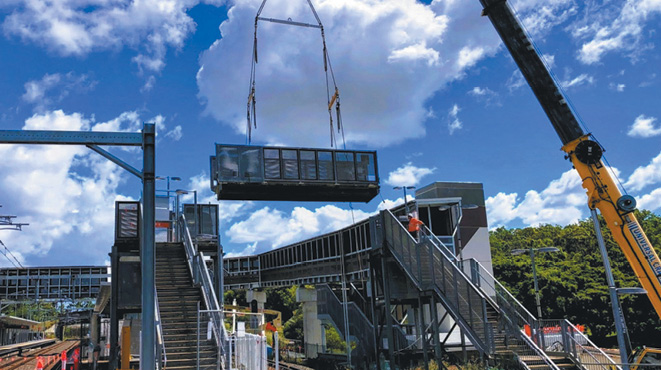
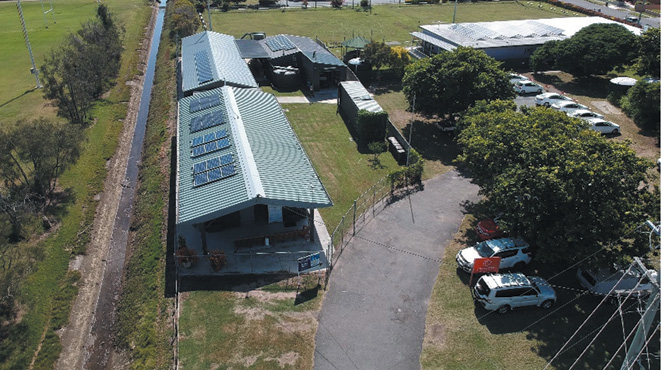
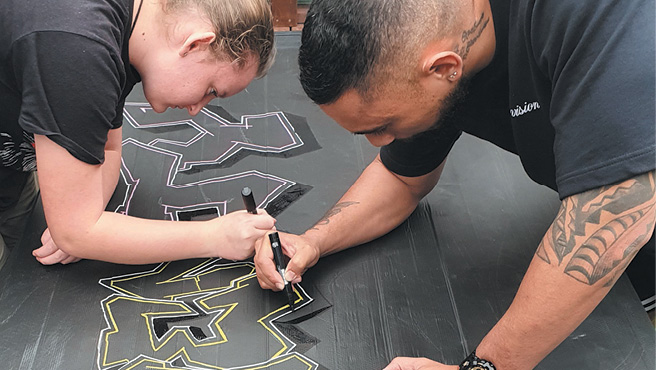
Polly’s ‘personal’ slew crane weighs 70 tonnes. Its name is Inferno – with appropriate artwork – but it’s known in the DLB Cranes Yatala yard as ‘Polly’s crane’ – and she gives it as much care as an owner would lavish on a classic car.
“It needs to be greased, degreased, washed with a high-pressure hose and brooms – that’s deck, body, wheels and boom; checked for oil leaks and secure pinning, checking the eight tyres and detailing the cabin. Jess my dogger and I are pretty thorough.”
What’s the hardest thing about driving a crane? “In the beginning it’s about pushing past the fear of the outriggers punching through the ground and the whole rig tipping over – I used to refer to my big spirit level for reassurance! Experience overcomes that, and realising that you’re working with a team who are specialists in reading the lay of the land.”
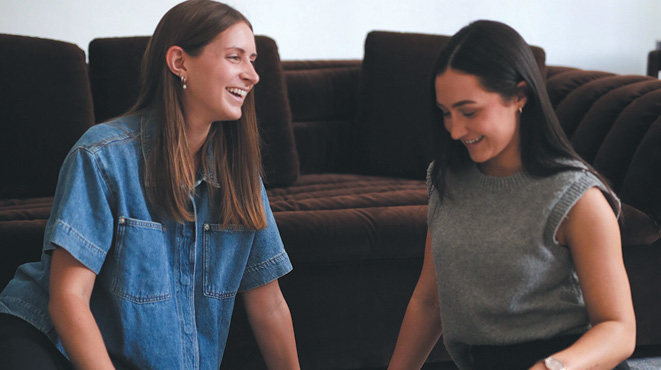
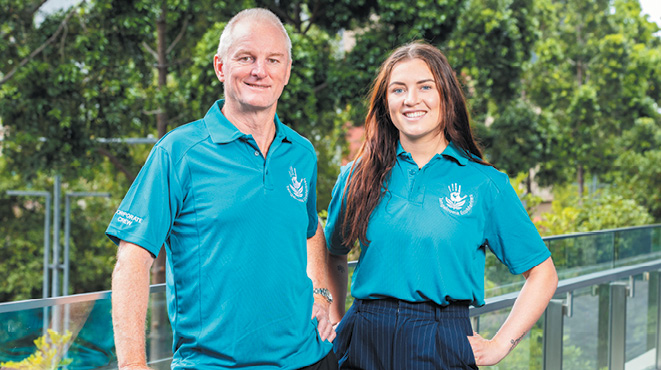
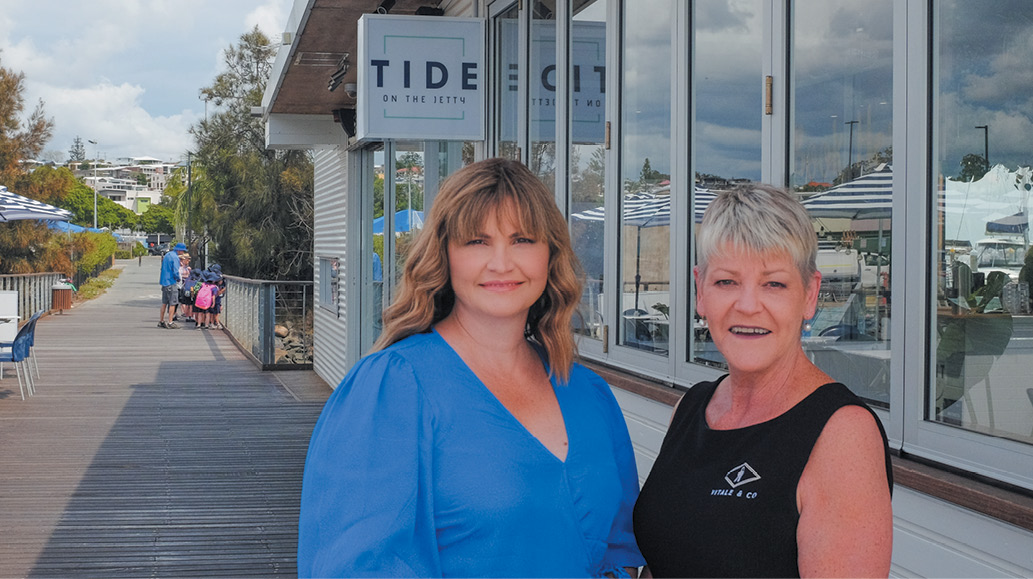
Polly is training and mentoring Jess Cook, who was drawn to the industry a year ago because of a fascination with construction and building, despite having a very real fear of heights.
“I hadn’t appreciated what a challenge it would be,” Jess says. “When I started, I had trouble just climbing a ladder, but we’re lucky, we’ve got a great team. I knew a lot of them because I worked at the shop where they called in for coffee or lunch – that made it easier to shift into an industry I knew nothing about.
“Now I’ve got my White Card – permission to work on a construction site – and my dogger’s and rigger’s tickets. Polly is really good at what she does and she’s a great teacher so I rely a lot on her experience and when to take the next step.”
Polly’s response to anyone who might say they’re doing men’s jobs? “No, we’re not; we’re doing our jobs!”