Photo: Supplied.
BY ADELIA BERRIDGE
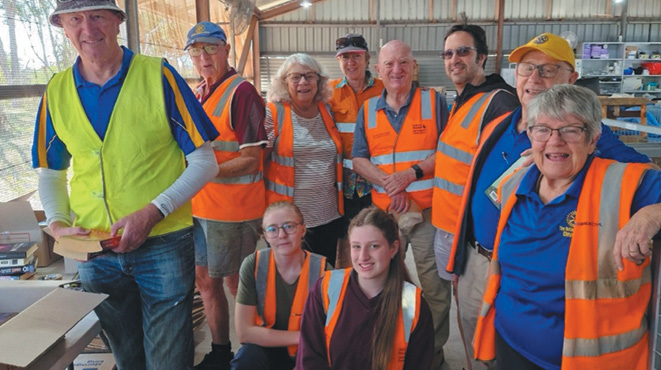
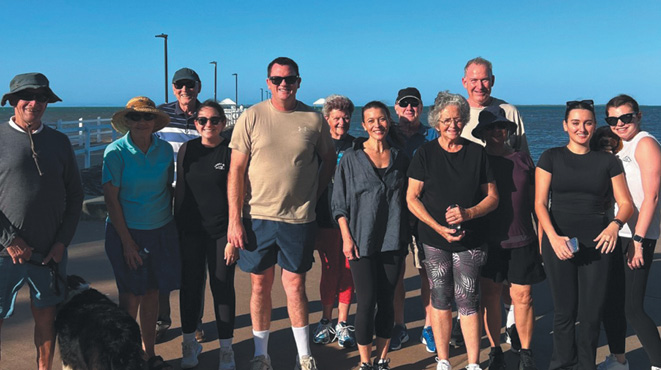
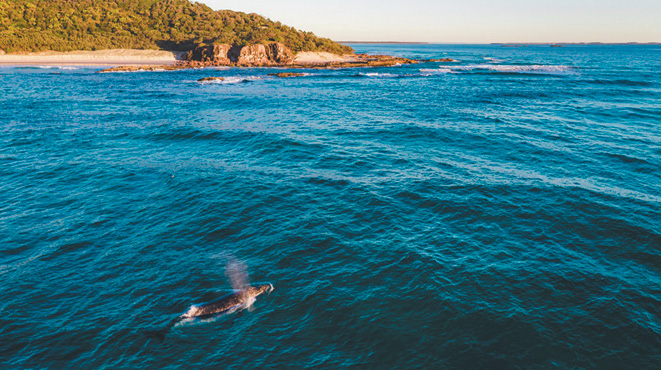
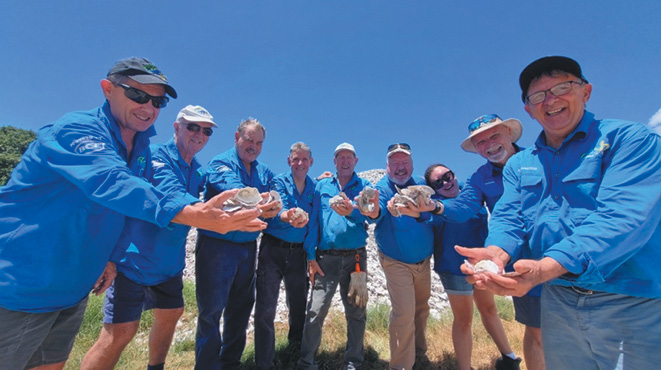
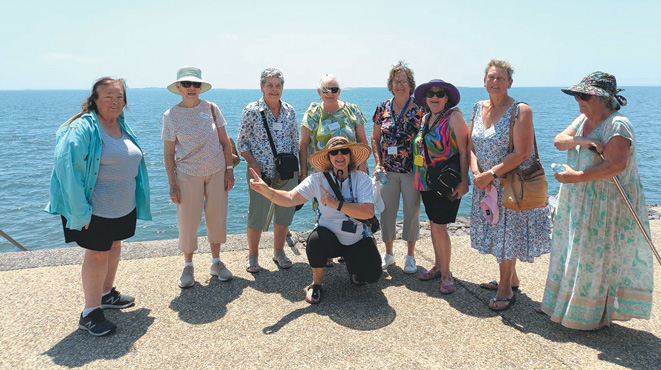
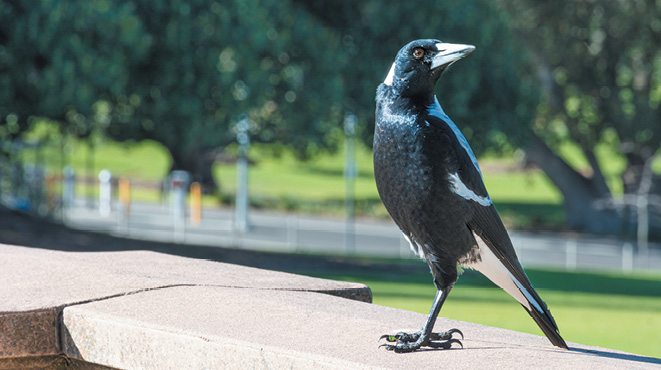
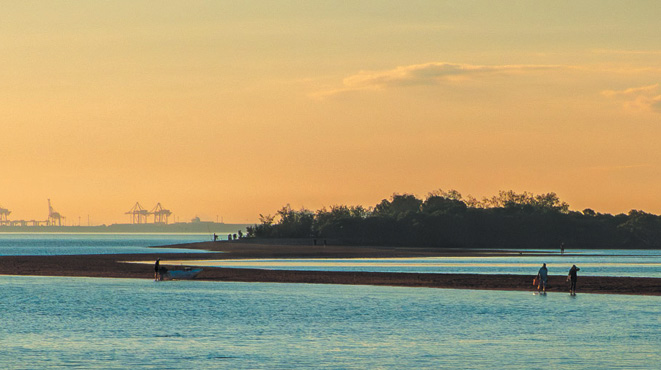
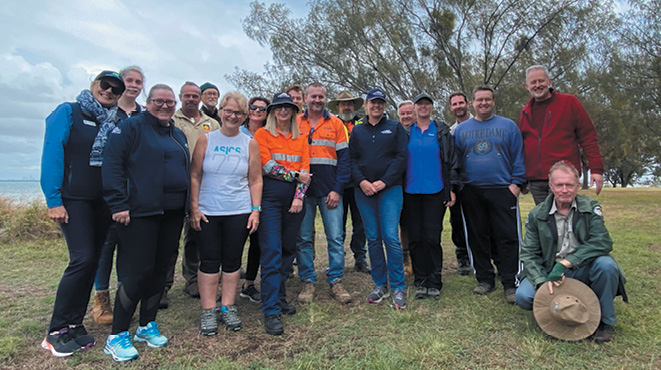
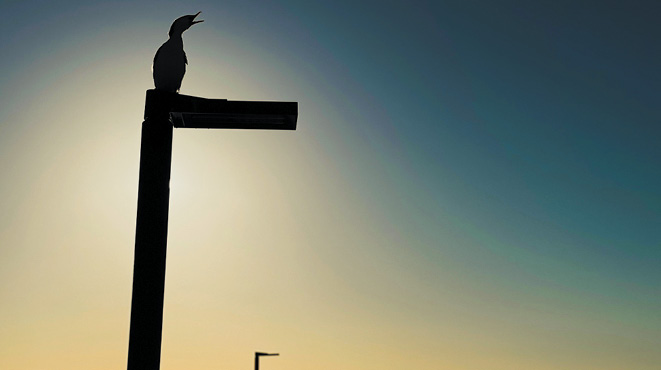
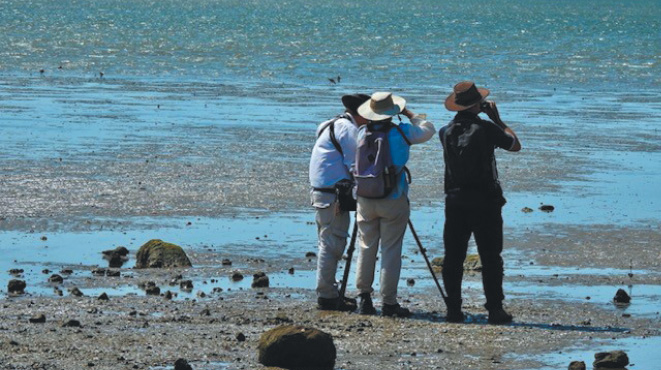
Each year, as the tides shift and the weather warms, thousands of migratory shorebirds arrive on the shores of Redlands, Wynnum, Manly, and across Moreton Bay, some having flown all the way from Siberia and Alaska. Watching over them is a group of quiet heroes – the Queensland Wader Study Group (QWSG). For more than 30 years, these passionate volunteers have been rising early, binoculars in hand, carefully counting and recording the birds that feed on our tidal flats and roost along our shores.
Their meticulous work helps scientists understand how bird populations are changing, where they rest, and what pressures they face along the East Asian–Australasian Flyway, one of the world’s great migration routes. The data QWSG collects is more than numbers on a page; it’s crucial evidence that helps protect the Ramsar-listed wetlands of Moreton Bay, ensuring planners and decision-makers recognise the global significance of these areas.
Species like the Eastern Curlew, Bar-tailed Godwit, and Grey-tailed Tattler depend on these safe feeding grounds to recover from their long flights. “Without healthy mudflats and mangroves, their future is at risk. Thanks to QWSG’s ongoing commitment, we’re not just counting birds, we’re keeping watch over the health of an entire ecosystem,” said Una Sanderman. Their work reminds us that what happens on our local shores truly connects us to the rest of the world.
Moreton Bay is one of the most important stopover sites for shorebirds travelling between Alaska, Siberia, and Australia, some flying over 10,000 kilometres to rest and feed on our tidal flats. These athletic birds rely on healthy mudflats and mangroves to survive their epic journeys. With increasing coastal development pressures, QWSG’s long-term data provides essential evidence for environmental planning and habitat protection. Their citizen science work is all voluntary to help ensure that future generations can continue to see these remarkable birds along our shores each summer.
The Ramsar Convention is an international treaty for the conservation and wise use of wetlands, signed in Ramsar, Iran, in 1971. Its main goals are to stop the worldwide loss of wetlands and conserve those that remain through national actions and international cooperation. Countries that are part of the convention must protect a designated Ramsar site, which is a wetland of international importance, and work to conserve all wetlands within their borders.