BY ANNE CROWLEY
WHAT THE EXPERTS SAID:
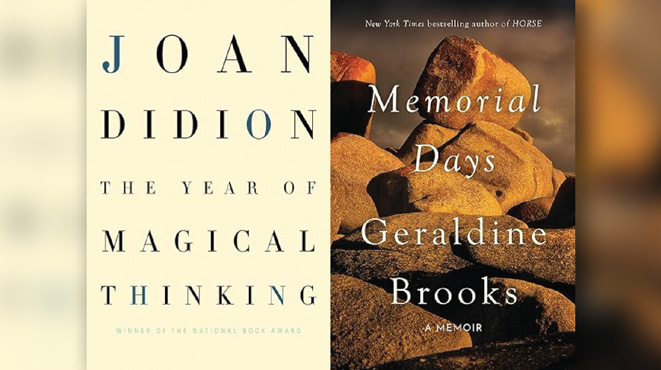
Memorial Days (GB): A heartrending and beautiful memoir of sudden loss and a journey to find peace from the bestselling, Pulitzer Prize-winning author. Google Books.
The Year of Magical Thinking (JD): You get her peerless, sharp, stylish reporting and almost forensic attention to detail. To see her turning these instruments on her own ordeal is as shocking as it is moving. Grief, writes Didion, takes us to a place none of us knows till we reach it. David Robson, Daily Express.
MY THOUGHTS:
Each of these women reflect on their decades-long life with their partner, and their experience of its abrupt end resulting from his sudden death. Each pair were writers (various genres) and lived closely integrated lives working from home, travelling, raising children together – the sudden loss of their husbands coming as a great shock and upheaval. But their approaches to dealing with it were different.
After her husband’s death away on a book tour, Geraldine was overwhelmed with unfamiliar and difficult admin related to his death, and life beyond, such as finances and insurance. She juggled her own writing obligations and her young-adult sons. She felt she didn’t have the opportunity to grieve, but engaged in an exhausting performance: ‘woman being normal’. Four years later, she isolated herself on Flinders Island for an indefinite period and describes her process of ‘getting the business of grieving’ done. She devotes a large amount of detail to describing Flinders Island while there. Almost a post-script to her book is practical advice for partners to prepare ‘how to live your life’ explanatory notes of the tasks they each perform, to ease the challenges of loss.
Joan and her husband were dealing with the life-threatening – and ultimately life-extinguishing – illness of their daughter, when her husband died instantly, sitting with Joan at their dinner table. She devoted her initial effort to trying to understand her husband’s death, researching, questioning, and reflecting on her own experiences as they evolved. She noted how unremarkable the circumstances were when the unthinkable happened – as is often the case preceding such drama.
Among JD’s insights were the difference between uncomplicated and complicated grief – the latter arising when the survivor and deceased had been unusually dependent on one another. Grief is passive (it happens automatically with significant loss), but mourning is active, requiring attention. Also, that grief from the loss of a loved one is also grief for the person you were, as you will not be the same. And the irrationality of grief – she kept John’s shoes in case he came back, even after receiving his autopsy report.
I found GB’s book extremely self-indulgent (almost by definition). While the details of her life with Tony were interesting, I felt the book was more like a journal – perhaps something she needed to do for herself, but not something she needed to publish.
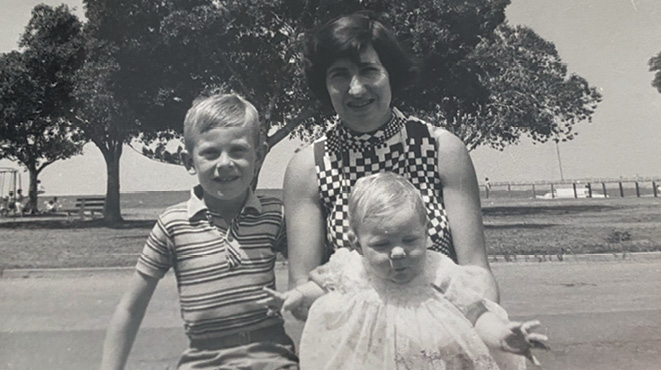
I preferred JD’s book – I could relate to her wanting to understand in detail what had happened to John. My mother died when I was in my early 20s in a car accident, and I was driven to understand how and why, in an effort to accept the unacceptable. And as to irrationality, when my mother died, I believed, as some quid pro quo, that I would therefore have my father for a long time to come – but he died three years later.
Both JD and GB posed almost side-bar reflections that the loss of a long-term partner is more significant than that of your parents, because their parents had led long, full lives. I don’t doubt this, but grief for the loss of parents at a much younger age, where it effectively pulls the rug out from under you, is different from theirs.
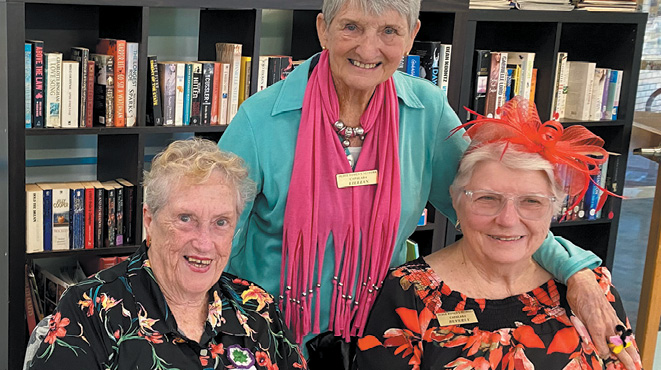
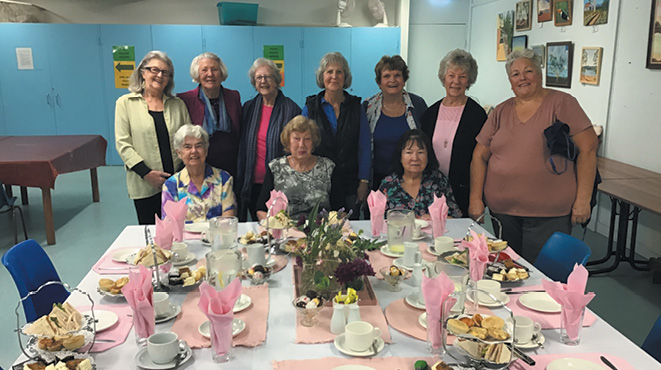
Each person’s experience of both grief and books is their own. My book club friends were equally divided as to which book they preferred, but agreed that readers may draw comfort and inspiration from both.