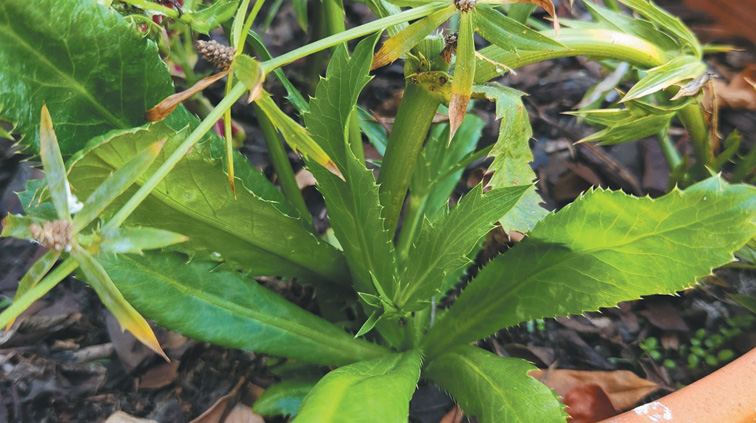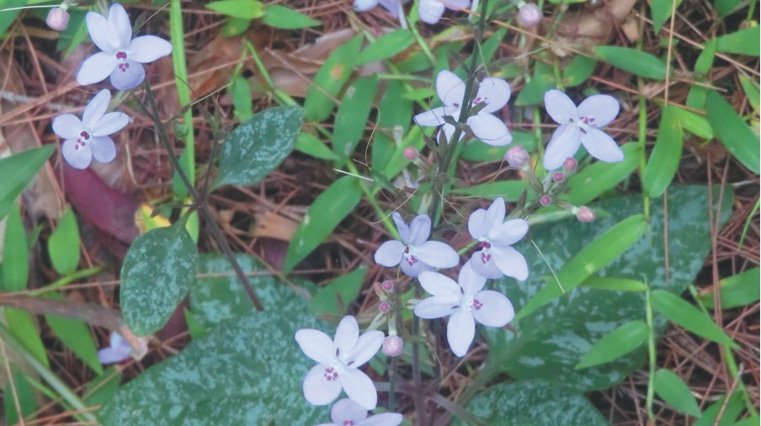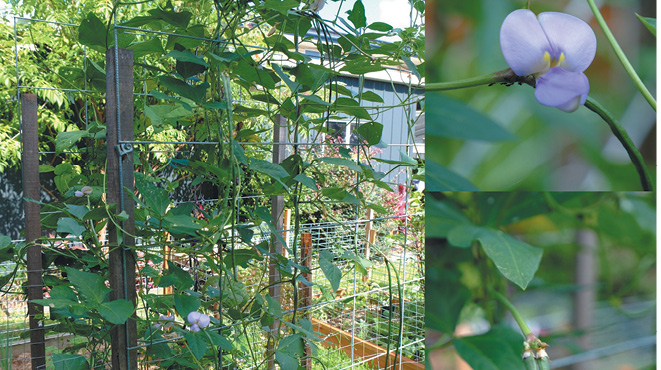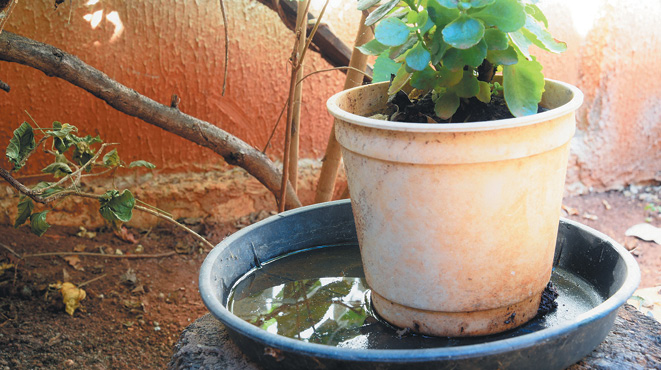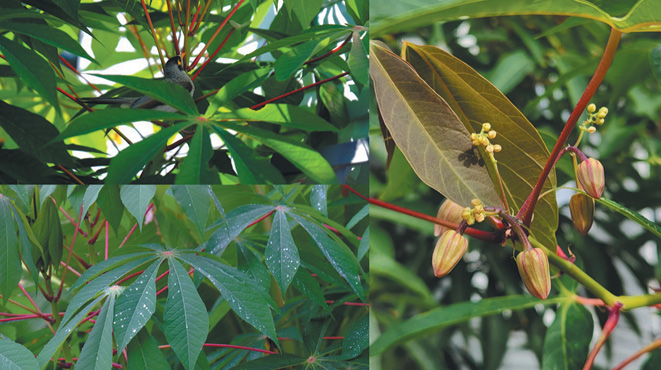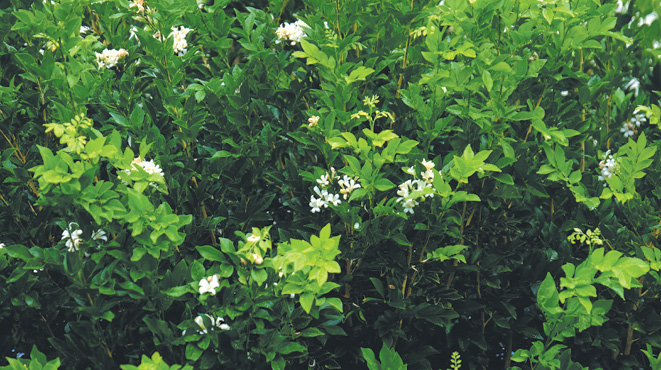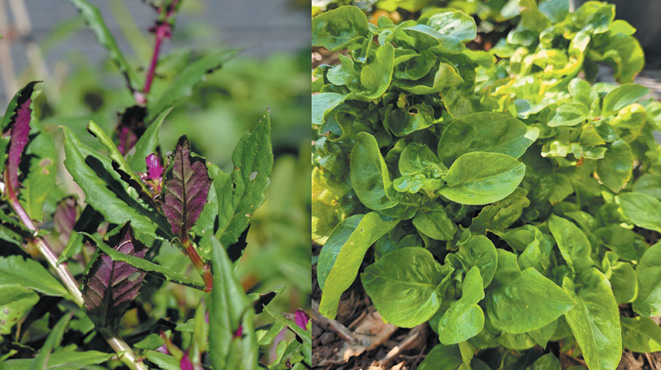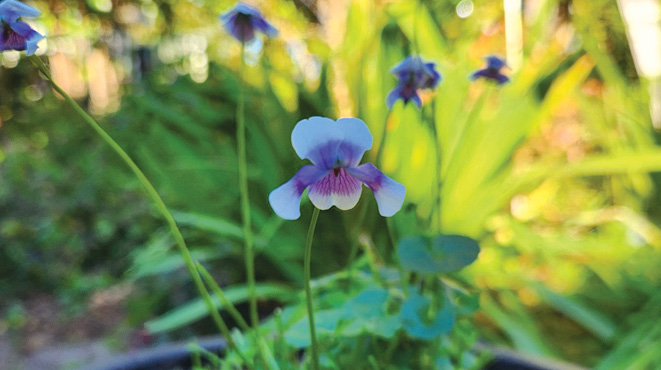
My little pot of semi-recovered native violets. The left side is still a bit stalky, but at least it has some flowers! Photo by Kat Pearson.
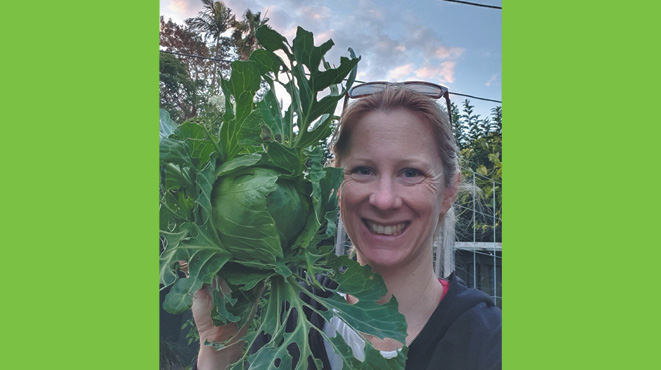
BY KAT PEARSON, GIRL IN THE GREEN
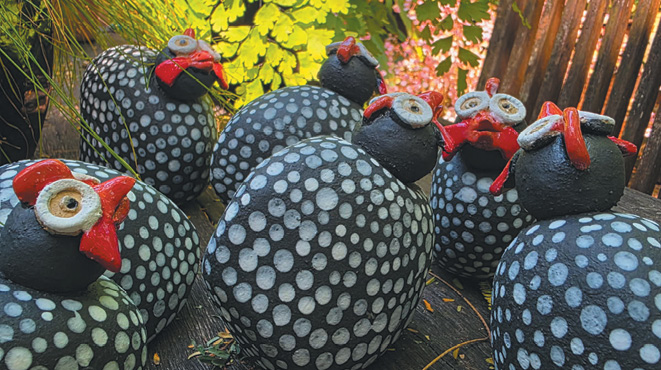
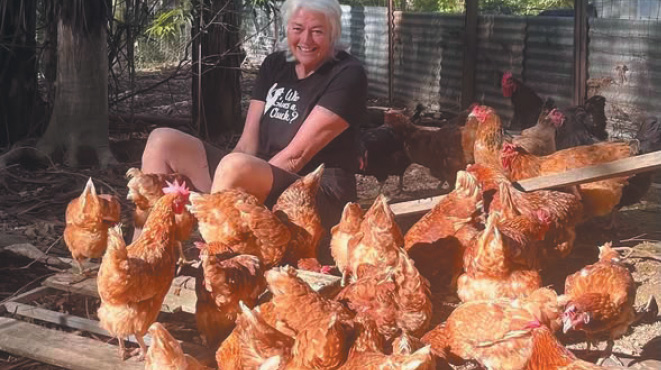
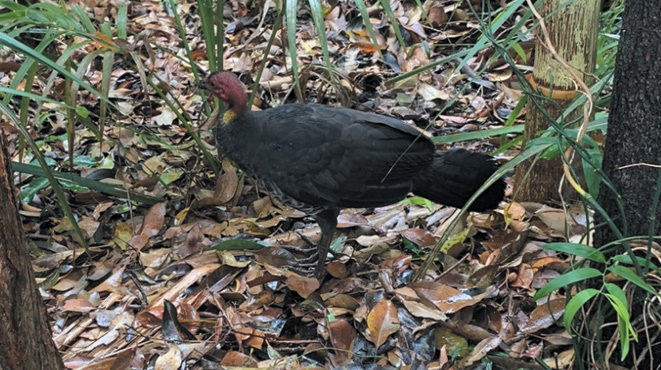
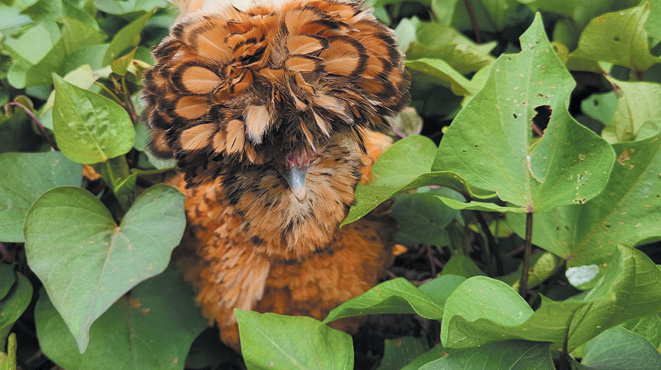
Recently, I bought some native violets to plant in a client’s garden. As I normally do, I popped them down in the carport for a couple of days until I needed them. Two days later, I came back to neatly trimmed plants, no flowers, minimal leaves, and a sea of fine green stalks. CHICKENS! Whoops! I bought new plants for the client, but have been enjoying the dainty little flowers of the old pots while they recover.
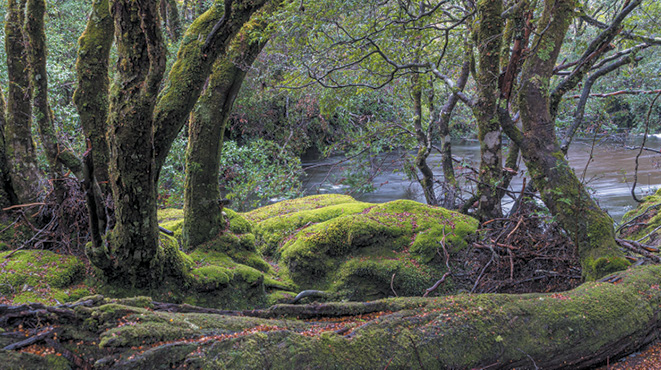
Native violets are often sold as Viola hederacea, but now they are said to be V. banksii. This is largely immaterial to most of us, but I’m a plant nerd and find it interesting. V. hederacea is actually a smaller plant with a less impressive flower. V. banskii was discovered by naturalist Joseph Banks on Captain Cook’s 1770 visit to Botany Bay (look at that, primary school history is becoming vaguely useful). Regardless, native violets make the perfect little groundcover for a damp spot (and with all this rain we’ve had, we should all have damp spots). Naturally, they grow in semi-open woodlands and on forest floors, as long as the soil is moist. They are happy in semi-shade but will also take full sun with enough water, although the foliage won’t look quite as lush. They spread via runners (stolons) and happily creep through the garden bed. They look great as a groundcover between stepping stones, with their happy little flowers standing tall through most of the year.
If the soil dries out, native violets will die back, but they are hardy and will return when the water returns. If you don’t have a spot for them in the garden, why not try them in a pot or even a hanging basket? Keep them well watered and they’ll trail over the sides. Their leaves and flowers are edible by humans and chickens. I can’t say I can see a reason to eat the leaves, but the flowers make cute decorations on cakes and desserts if that’s your thing.