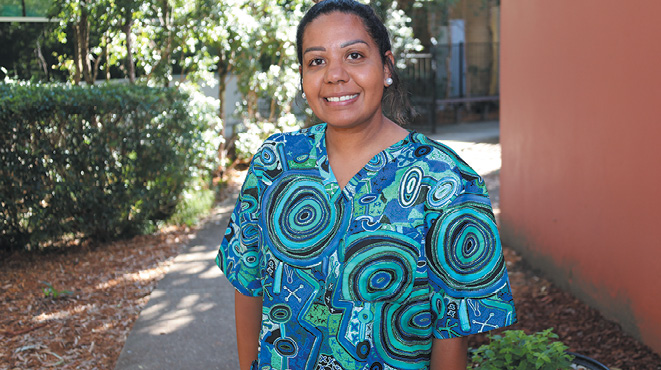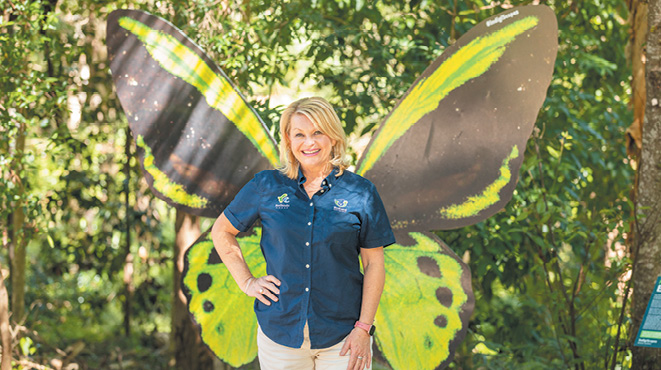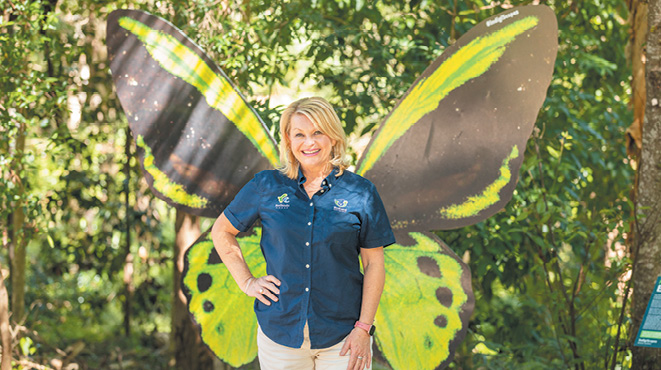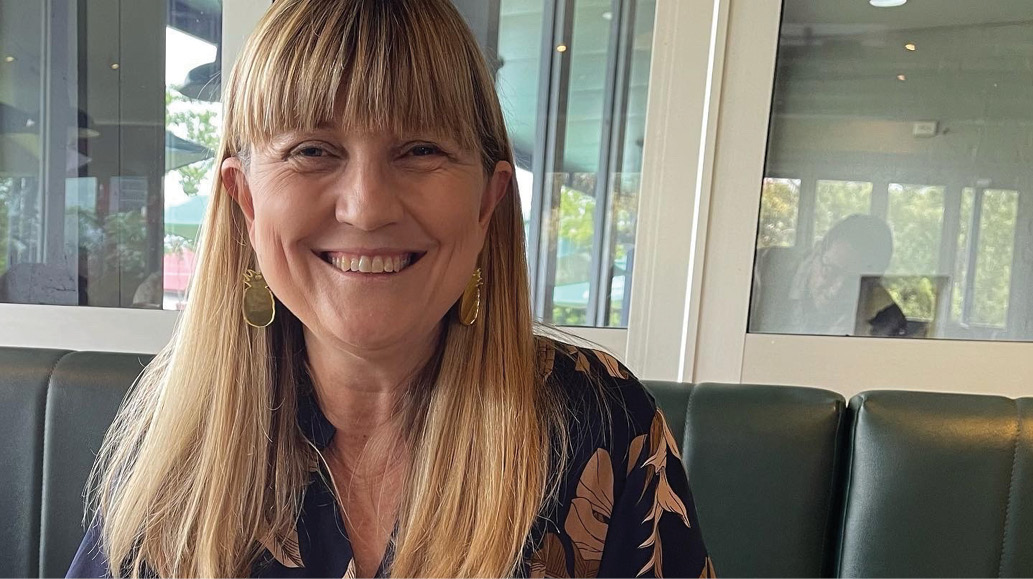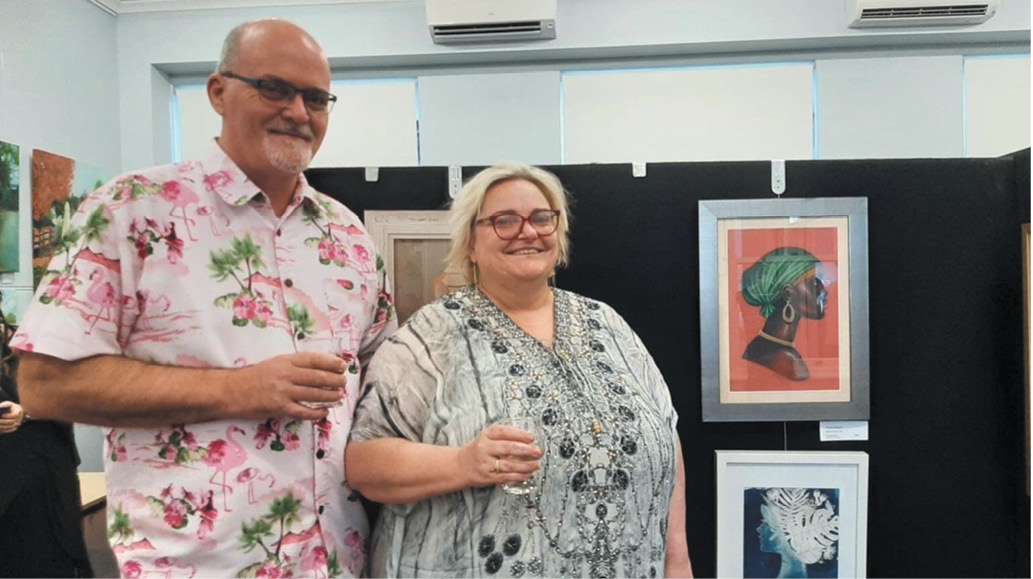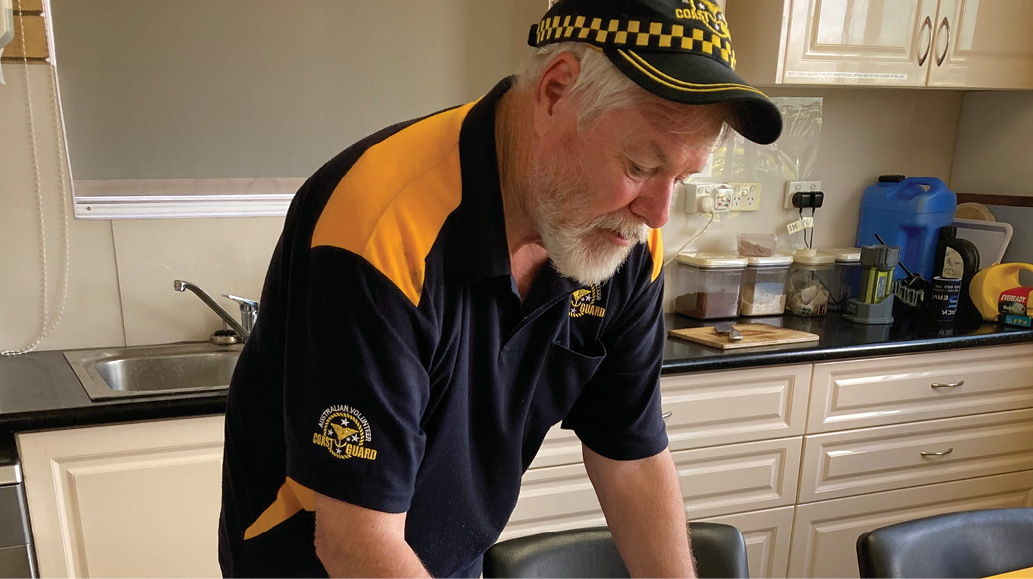
RANGER STACEY THOMSON IS PRINCIPAL ADVISER – COMMUNITY EDUCATION (REDLAND CITY COUNCIL)
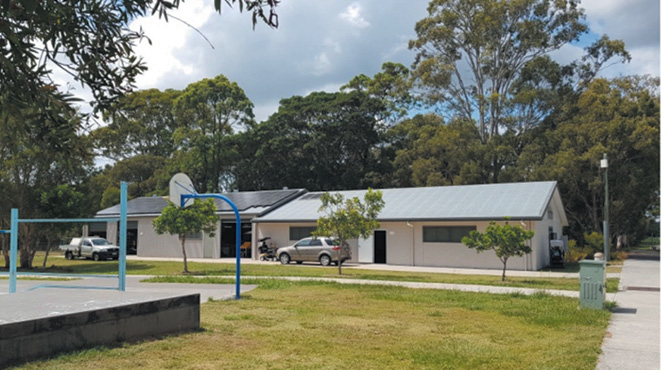
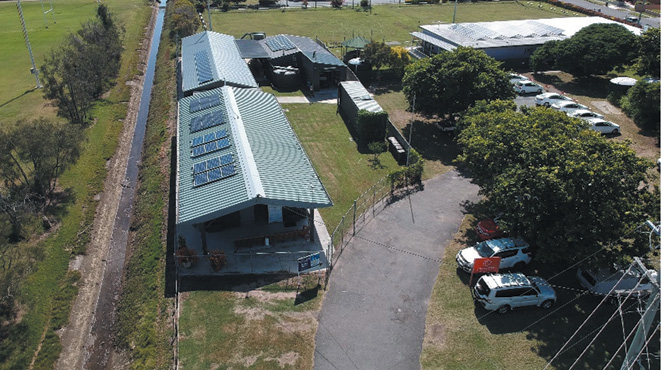
My office at Redlands IndigiScapes Centre is a naturally wonderful work environment. Sure, there’s the familiar tapping of computer keyboards, meetings and office chatter. But the surrounding bushland is what sets it apart…oh, and there’s often delicious cake on the staff kitchen bench!
From the wraparound office windows, the canopy of tall trees sways in the breeze and the sunlight creates a soft dappled effect.
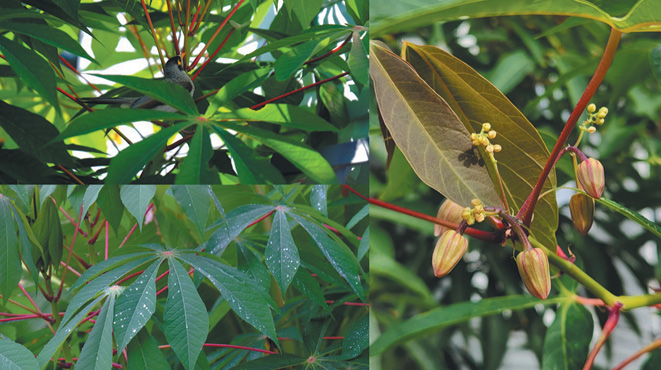
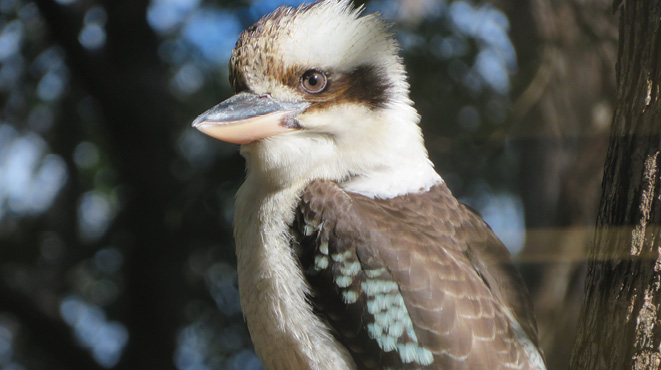
For the past few months, my colleagues and I have delighted in daily visits from a local kookaburra. He arrives to perch on a horizontal branch just outside the window, settles in for a while, takes off for a snack, and returns. This bird has captured our collective attention with his handsome looks and relaxed disposition.
Now, while this may not seem extraordinary, it’s nature’s simple pleasures that can brighten our days, right? I wonder if this resident kookaburra watches us too…and ponders the curious humans on the other side of the glass?
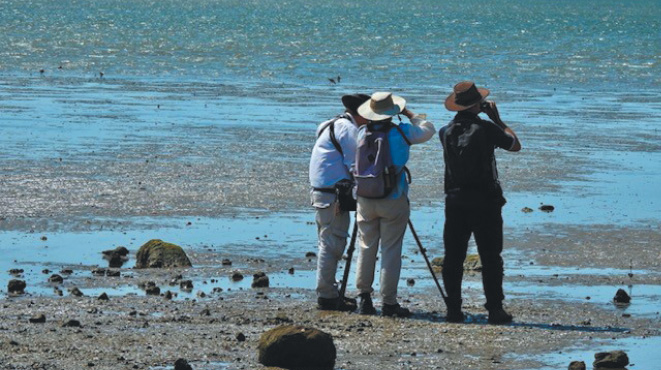
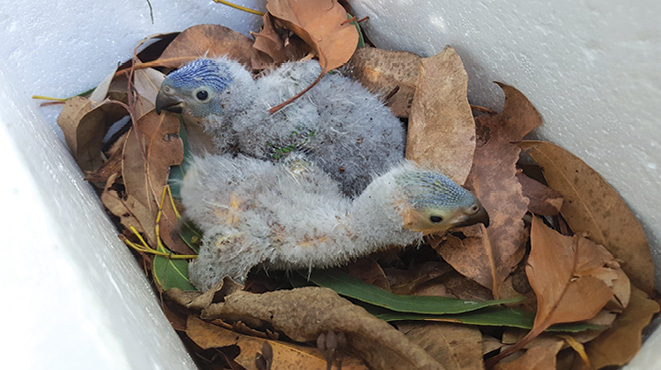
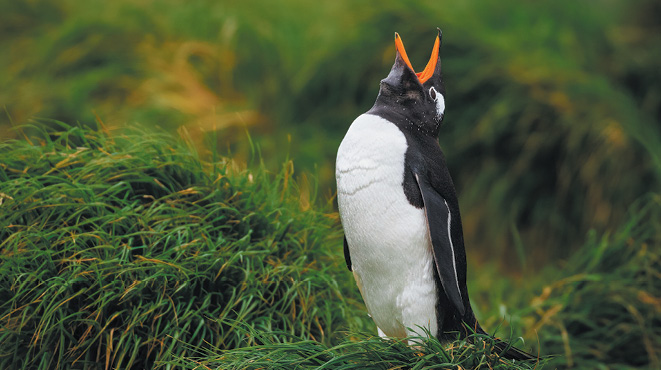
Many people are fascinated by birds. From super enthusiastic “twitchers” who travel far and wide to spot rare or unusual species to backyard birdwatchers. Quietly observing birds in our gardens and local environments can reveal interesting behaviours, like feeding habits, nest building techniques, and the serious job of raising chicks.
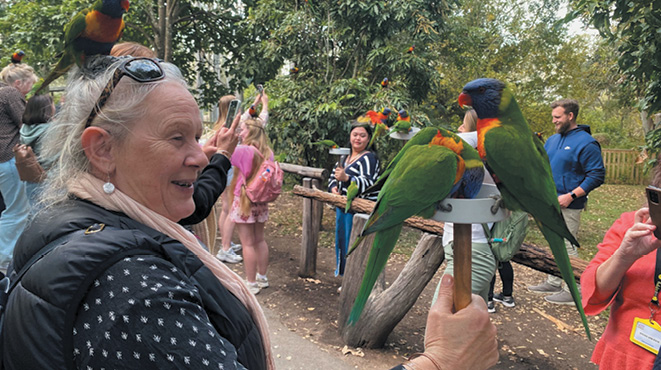
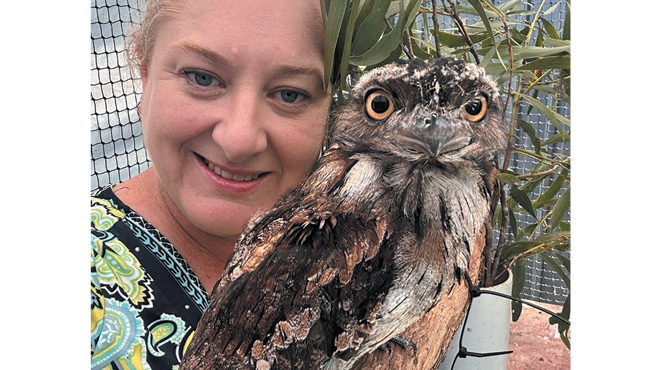
Understanding our feathered friends through observation is a fascinating pastime. Perhaps you’re someone who loves the flamboyant colour and energy of lorikeets, the clever camouflage of tawny frogmouths, or a procession of waddling ducks.
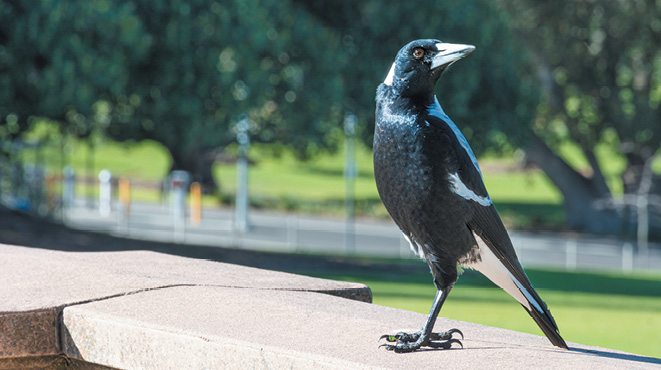
Magpies and plovers are high profile suburban birds – especially now that breeding season has arrived!
This means protective parents may occasionally swoop if they sense their babies are under threat. It’s only a small percentage of birds that use this defensive behaviour, which is the result of previous negative human interaction.
Magpies and plovers are totally devoted parents, so let’s give them a break during breeding season. If a bird shows defensive behaviour, keep yourself (and them) safe, change direction and avoid the nesting zone. It won’t be long before the chicks are big enough to fend for themselves.
And just like our fondness for the kookaburra outside the IndigiScapes office window, we can all get to know and love our local birds from a distance, quirks and all!
Until next time … Stay Wild!