Photo: Supplied.
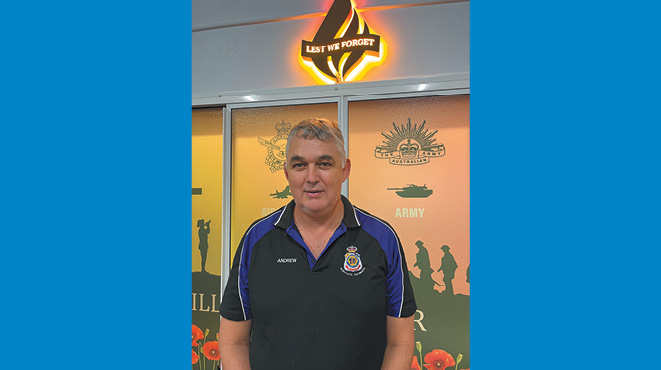
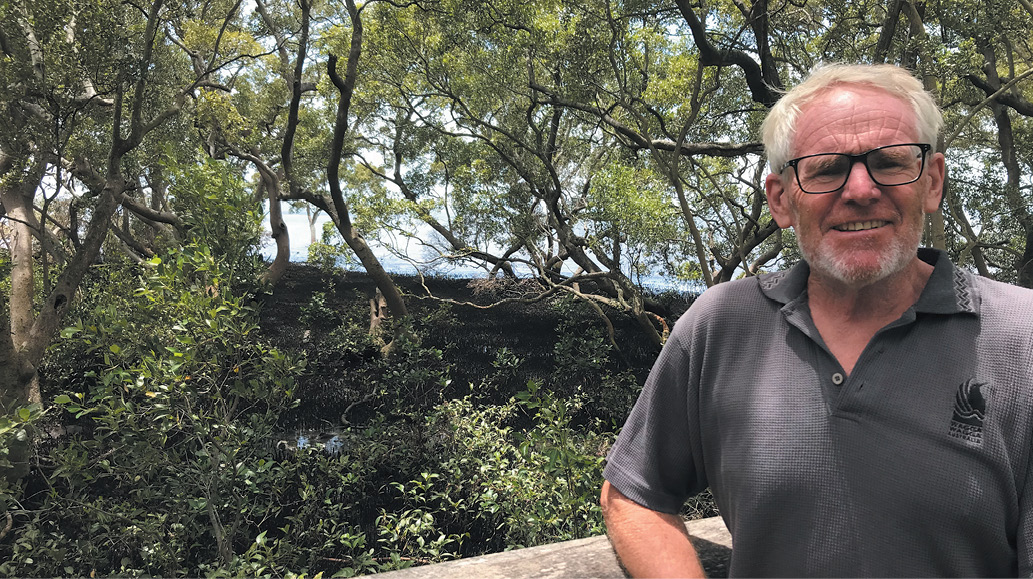
RANGER STACEY THOMSON IS PRINCIPAL ADVISER – COMMUNITY EDUCATION (REDLAND CITY COUNCIL)
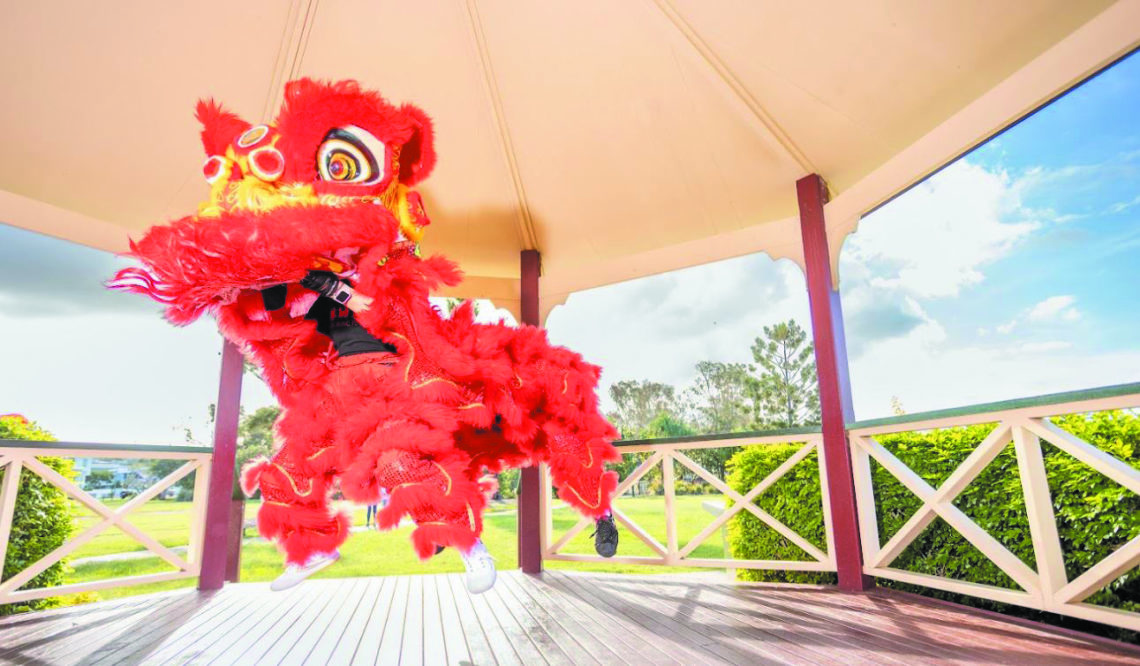
February may be the shortest month of the year, but when it comes to our environment, it’s a big 28 days of natural wonder, wildlife activity, and significant calendar celebrations.
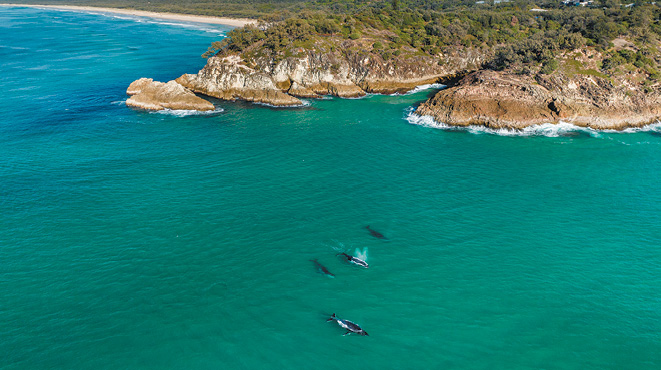
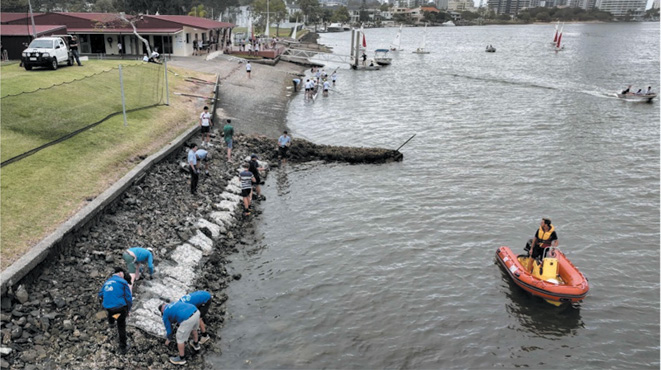
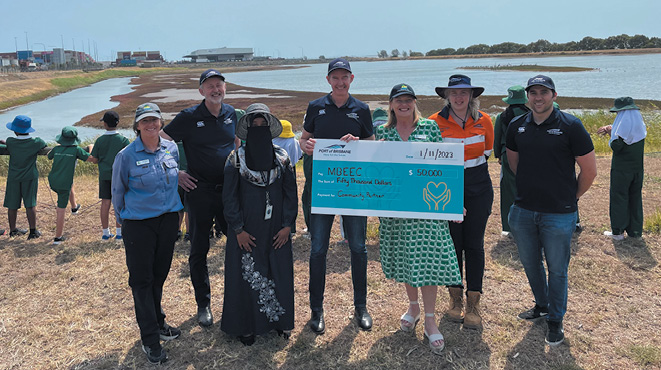
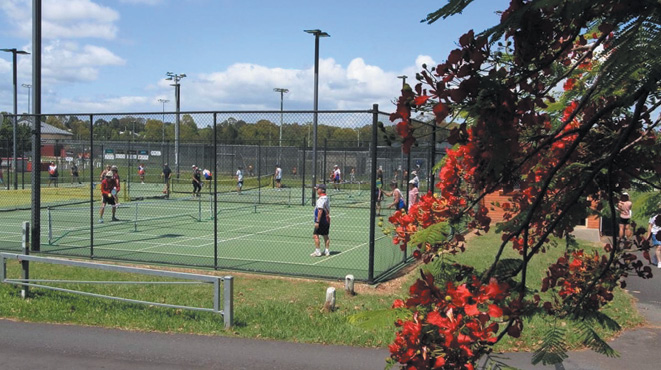
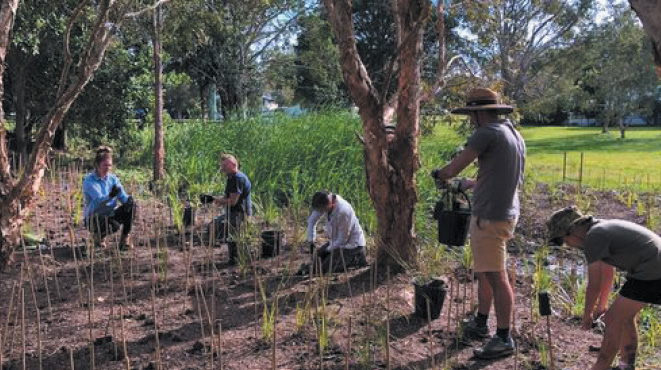
World Wetlands Day is February 2nd. Redlands Coast boasts unique wetland environments, which means wild places to discover and explore. My tip is to plan activities early in the morning or later in the day to avoid the heat.
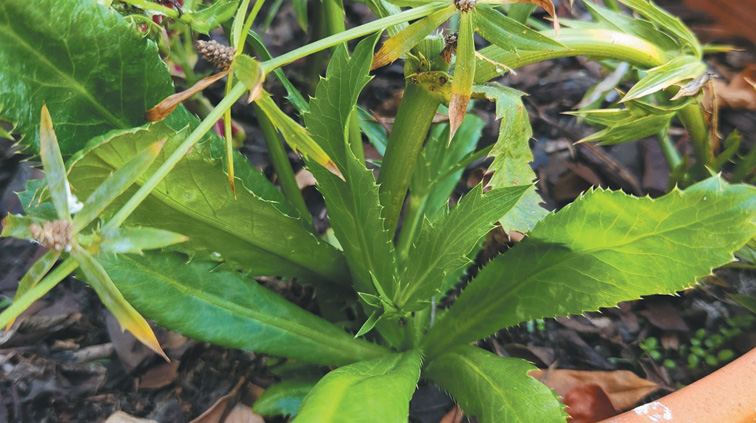
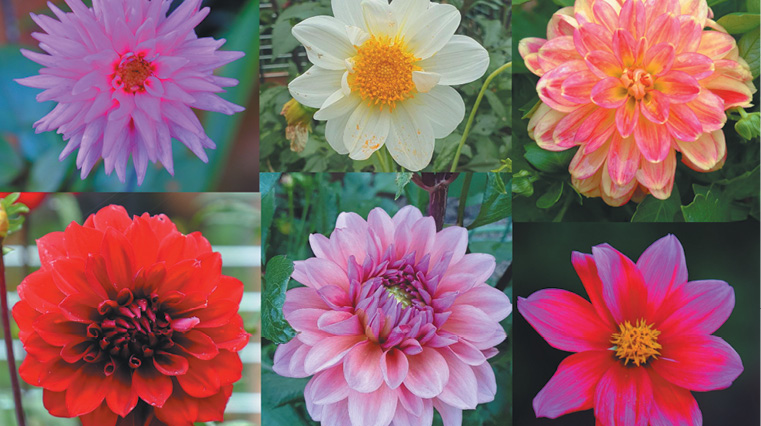
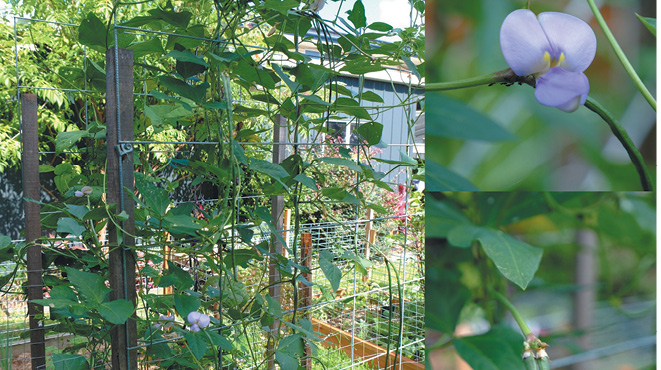
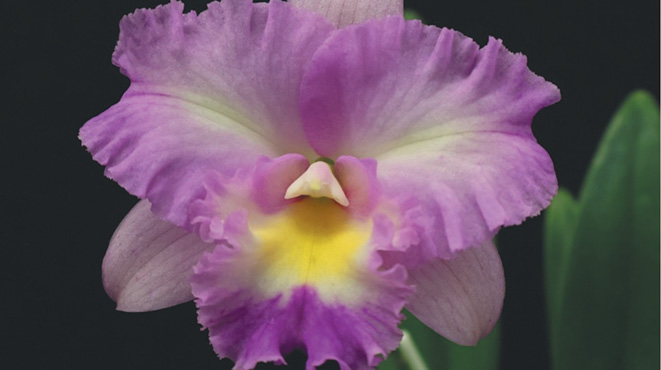
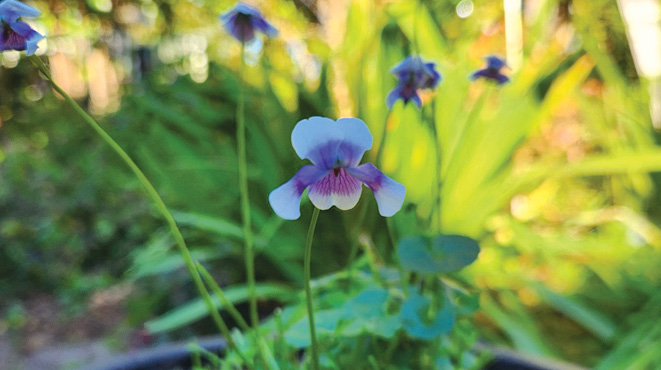
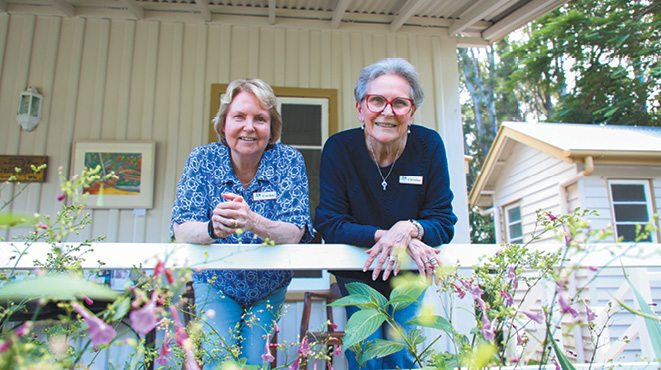
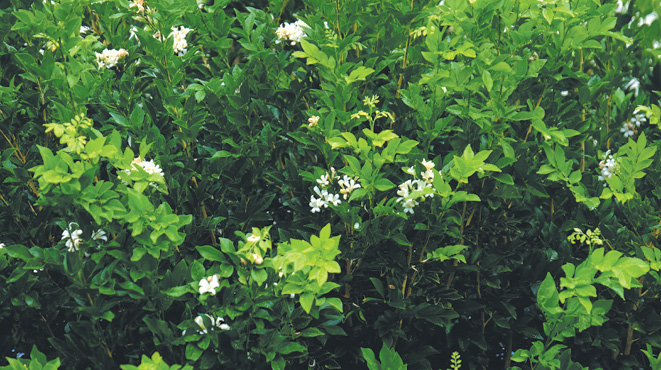
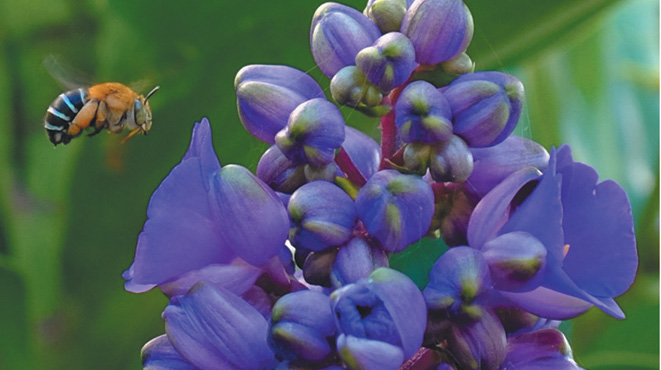
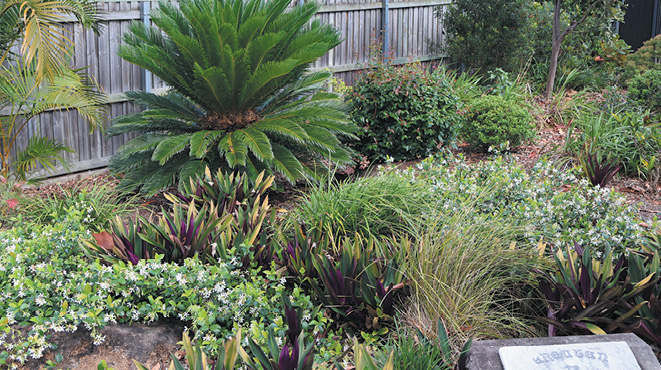
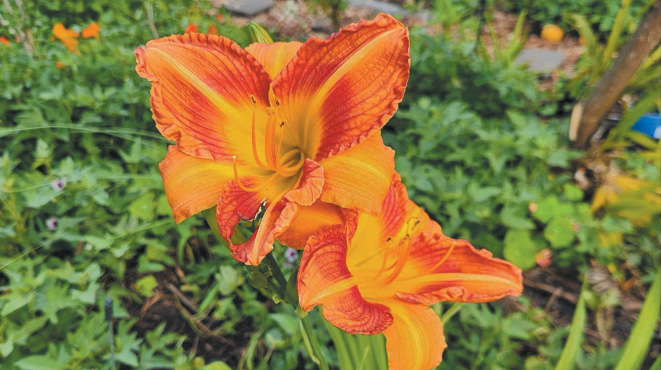
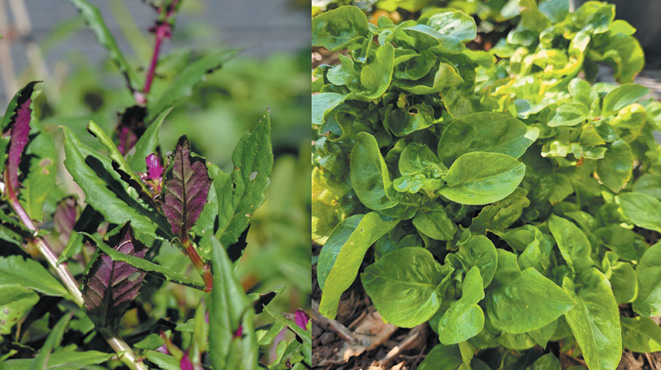
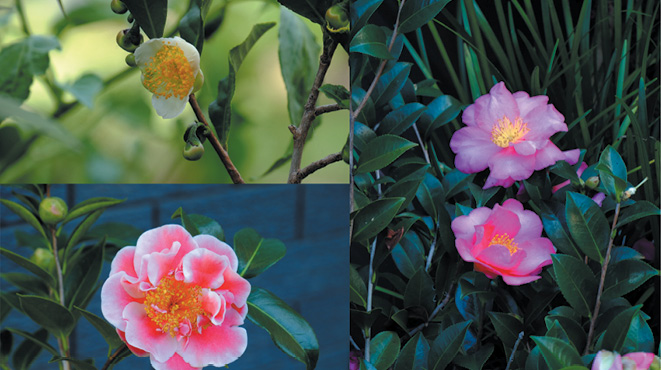
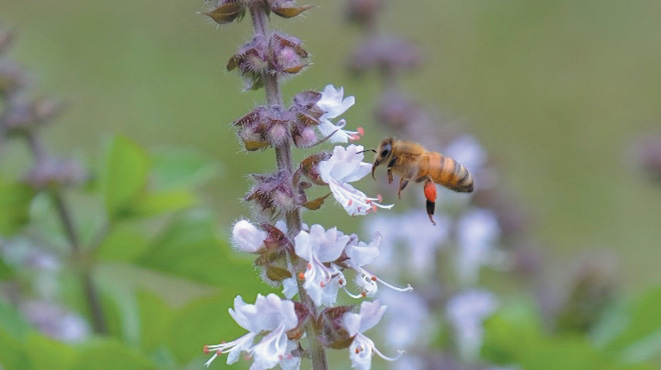
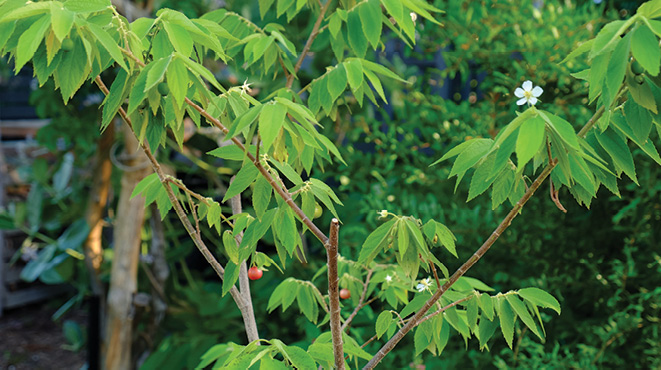
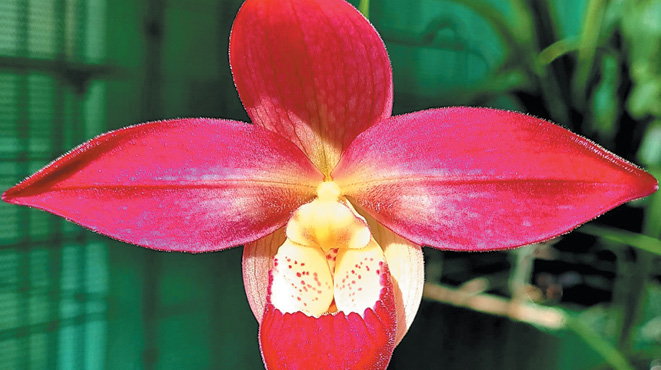
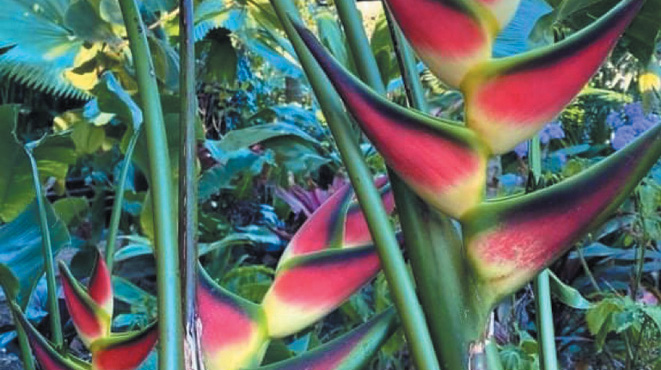
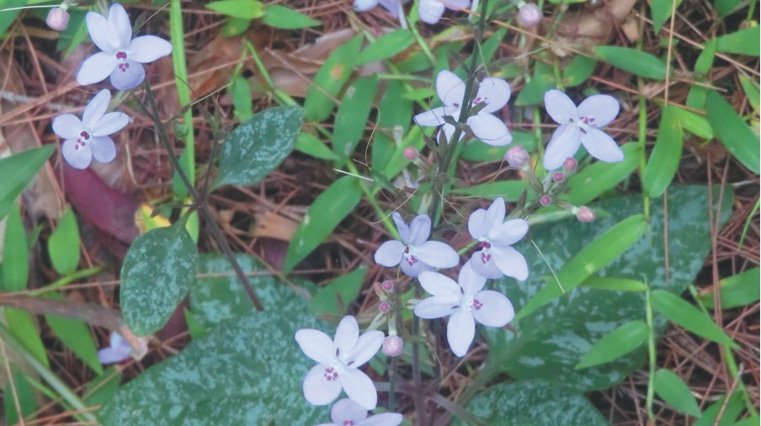
Why not go green this Valentine’s Day by giving a gorgeous native flowering plant to grow and cherish for years to come? The Love Flower (Pseuderanthemum variabile) is a small native perennial with clusters of white to mauve tubular flowers. How romantic!
Not so romantic is the typical hot, sticky, and sweaty February weather. Yep, as the old 1980s Glenn Frey hit song says, “The Heat Is On!”
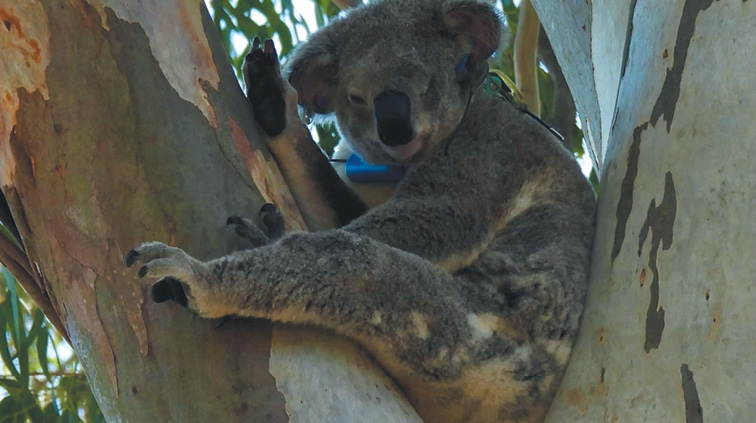
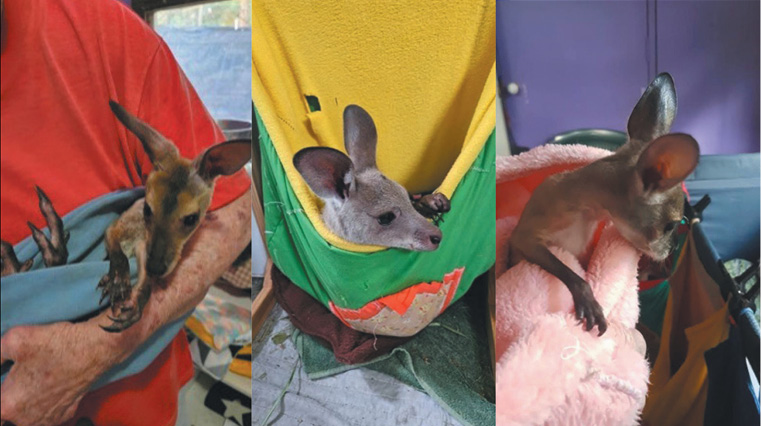
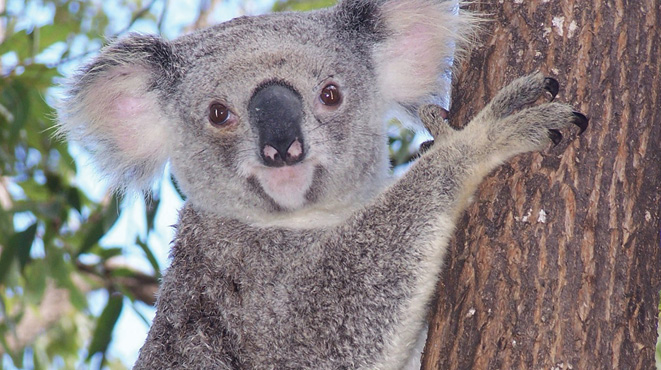
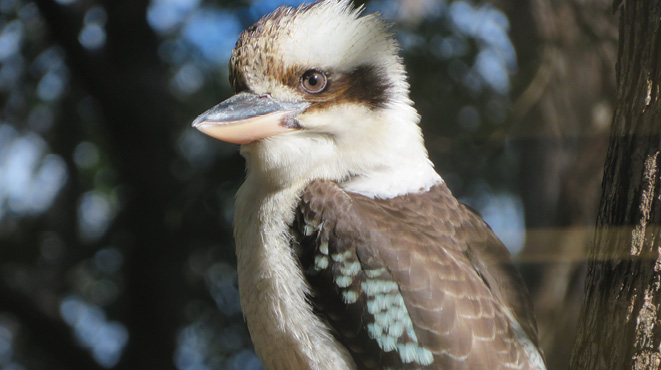
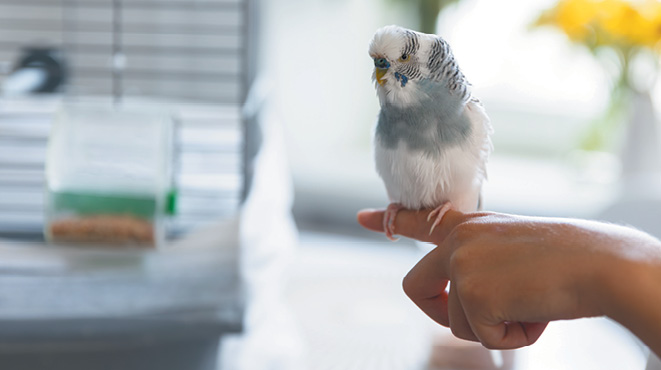
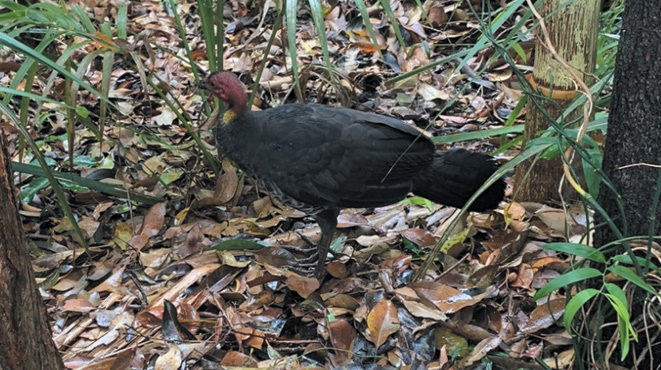
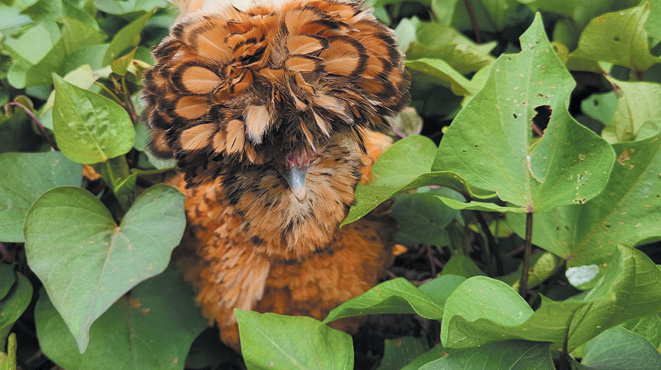
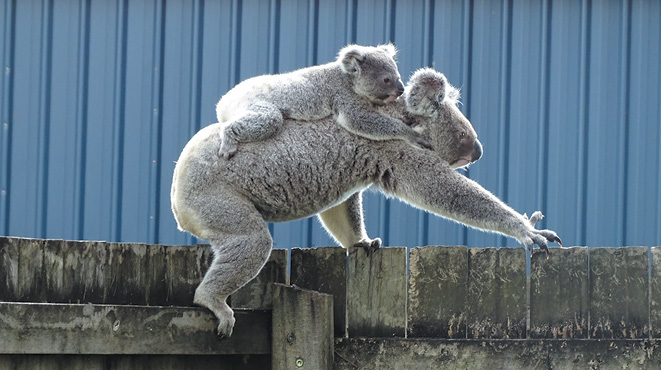
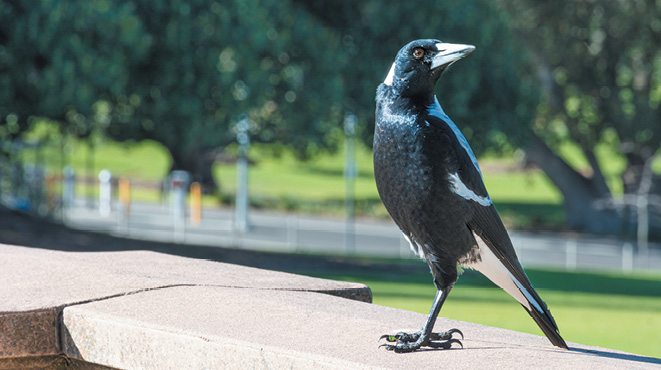
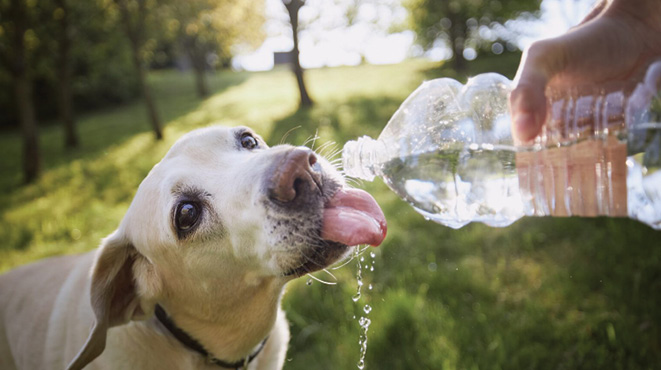
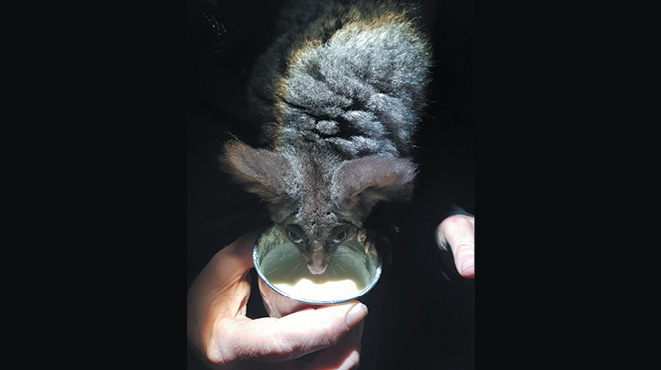
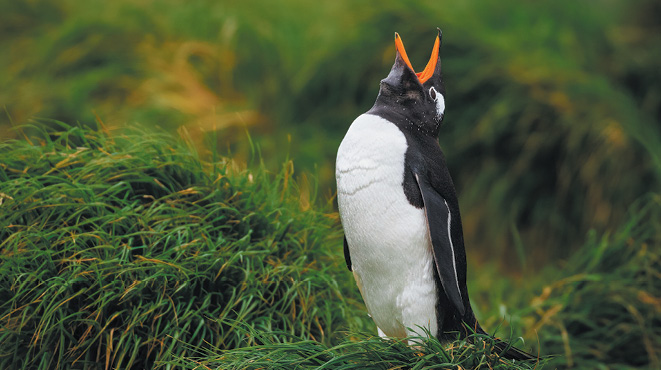
It’s not just us and our pets who struggle with the intense heat. Native animals, including birds, reptiles, and mammals, do too. Therefore, it helps to recognise the tell-tale signs of heat stress –signs such as panting, salivating, and licking limbs or the body. It’s their way of trying to regulate body temperature, but this can be difficult when conditions are extreme. Heat-stressed birds often sit with wings outstretched and mouth open, while nocturnal animals may end up disoriented and vulnerable on the ground. Unusual, sluggish, or agitated behaviour requires assistance.
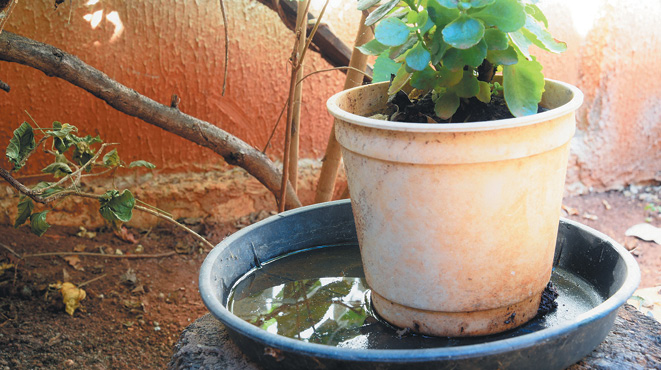
Reach out to Redlands 24-hour Wildlife Rescue Service for expert advice (3833 4031). In the meantime, we can provide shade for the animal and ensure it is safe from domestic pets. Offer a shallow tray of water, but it’s important not to force an animal to drink. Common sense tells us that an unresponsive animal must be taken to a vet immediately.
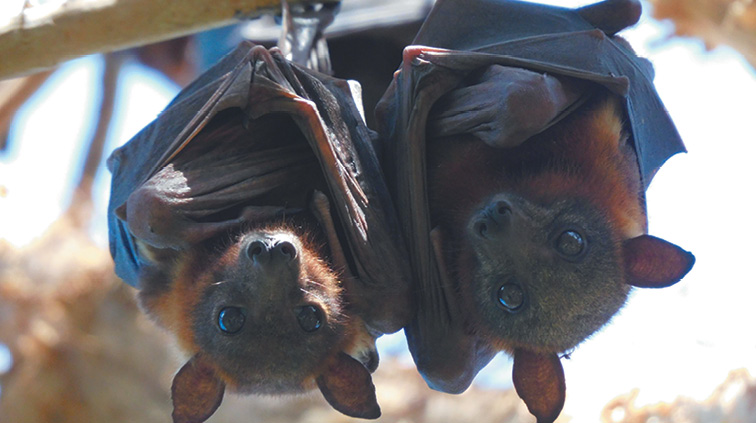
Our wonderfully wild pollinators and seed dispersers, aka flying foxes, find prolonged periods of extreme heat too much to bear. Panting, fanning of wings, licking wrists, as well as clumping together on a tree trunk, are a strong indication that they’re in trouble. Call Bat Conservation and Rescue QLD without hesitation (0488 228 134). I promise good karma will come your way!
Until next time … Stay Wild (and cool)!
Ranger Stacey