Photo: Supplied.
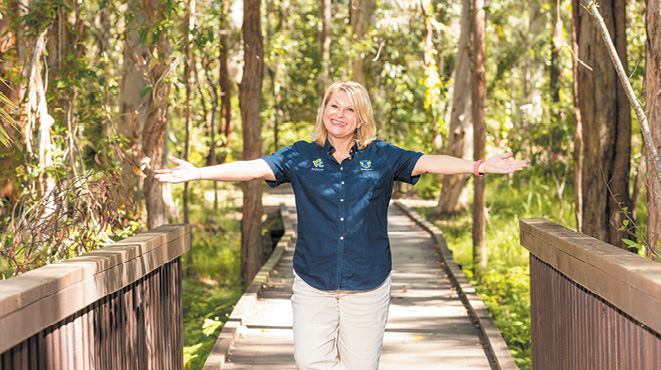
RANGER STACEY THOMSON IS PRINCIPAL ADVISER – COMMUNITY EDUCATION (REDLAND CITY COUNCIL)
We have visitors!
A whole bunch of Little Red flying-foxes have taken up temporary residence on Redlands Coast and I for one am excited … I mean, why wouldn’t they want to visit this wonderful part of the world?!
I know it’s not just me who is thrilled by this wildlife phenomenon. In fact, the more we understand these fascinating flying mammals, the greater our appreciation for the role they play in the overall environmental landscape.
Throughout the year, Grey-headed flying-foxes and Black flying-foxes literally hang out in our region. But Little Reds are unique because of their highly nomadic lifestyle. They follow the flowering of eucalypts along the eastern seaboard of Australia.
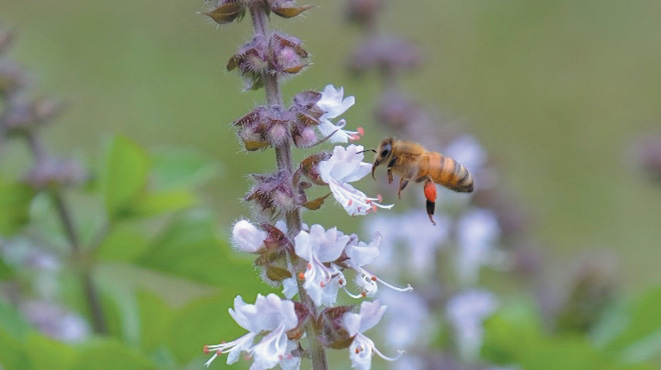
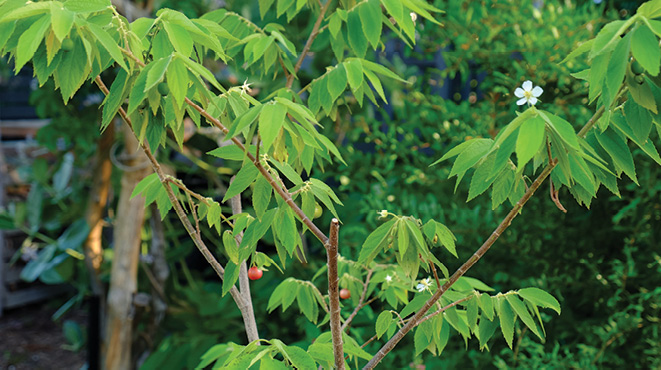
For hungry Little Reds, the sweet nectar of eucalypt blossoms is the “piece de resistance,” while mangrove flowers also feature on nature’s menu. In return, flying foxes maintain biodiversity as champion pollinators and seed dispersers. They keep our forests healthy and thriving! A specialist nectar feeder, the tongue of a Little Red is perfectly adapted for extracting the juicy liquid from flowers.
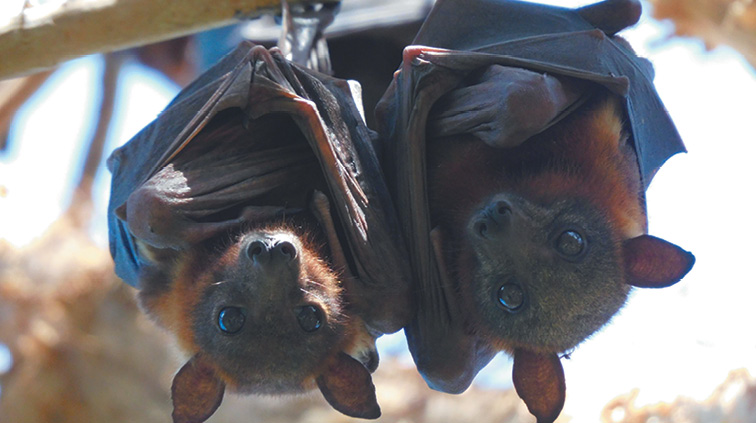
Little Reds are smaller than our other Redlands Coast flying foxes and have shiny reddish-brown fur from their cute head to their toes. Flying-fox feet have a ratchet-like tendon system, which makes hanging upside-down effortless. Unlike other flying foxes, Little Reds hang out together in clumps, like bunches of grapes – but way more animated and interesting.
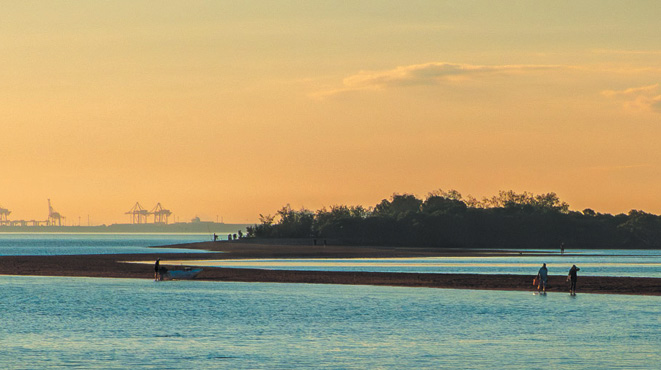
Flying foxes are intelligent, highly social mammals with excellent communication skills. Observing Little Reds during their stopover in the Junee Street Wetlands at Redland Bay is a rare privilege. If you’re lucky enough to see them, or any other flying-fox species in the wild, please take care not to disturb them.
Right now, our Black flying-foxes are caring for babies, and our special guests, the Little Reds, are pregnant. And as any expectant mother will tell you, peace and rest are very much appreciated.
By the end of this month or early April, our nomadic visitors will be preparing to depart to their next location where eucalypt flowers are plentiful.
Until next time … Stay Wild!
Ranger Stacey