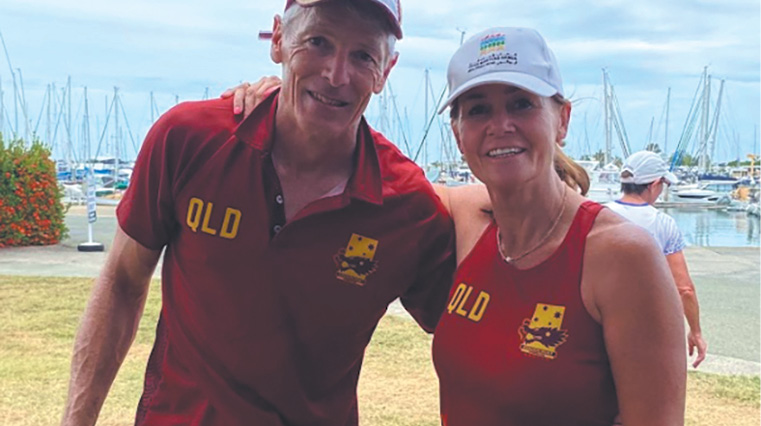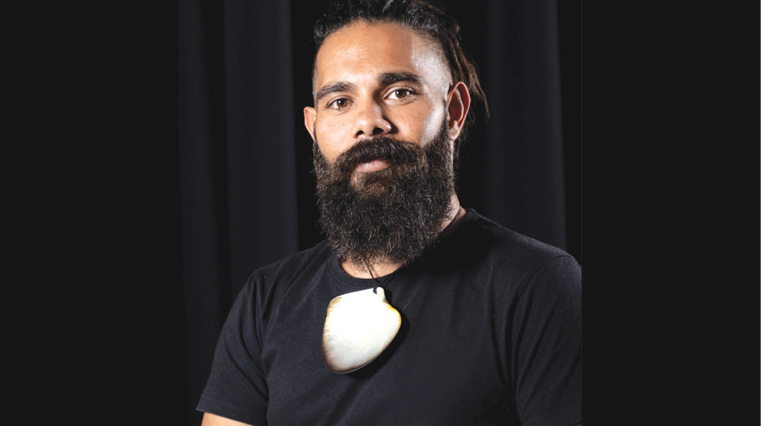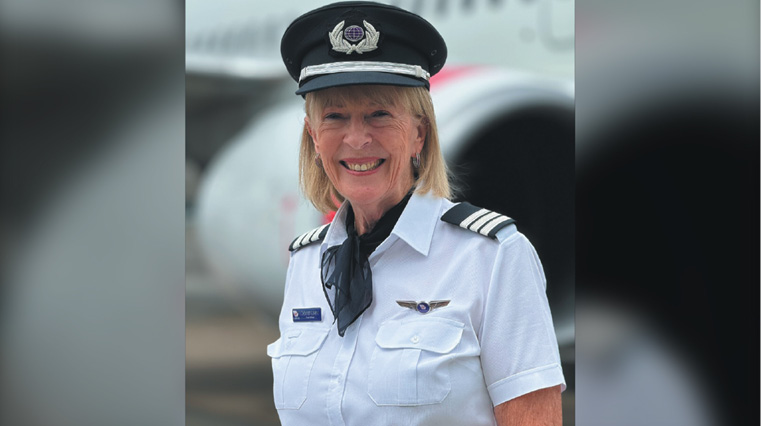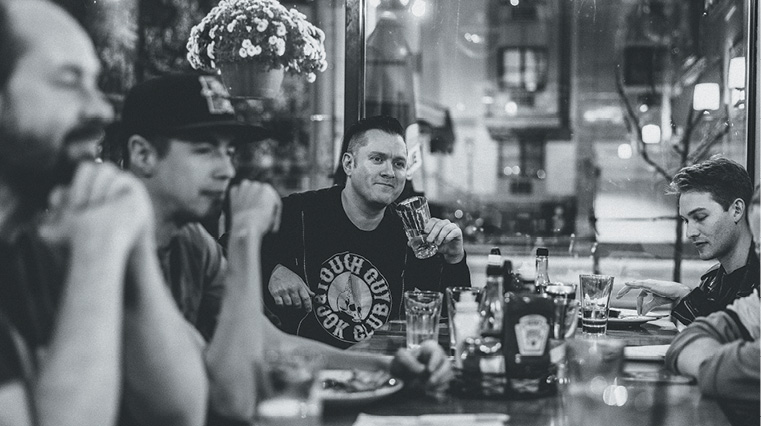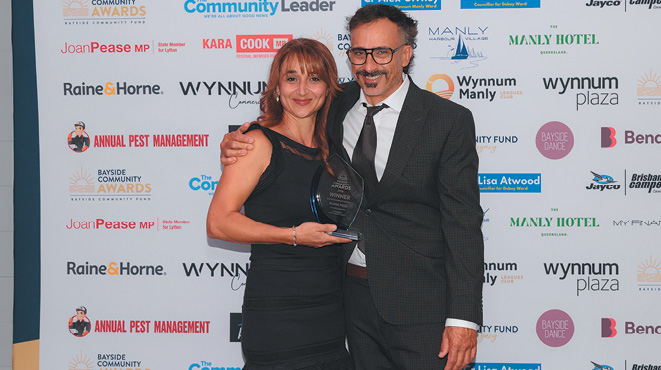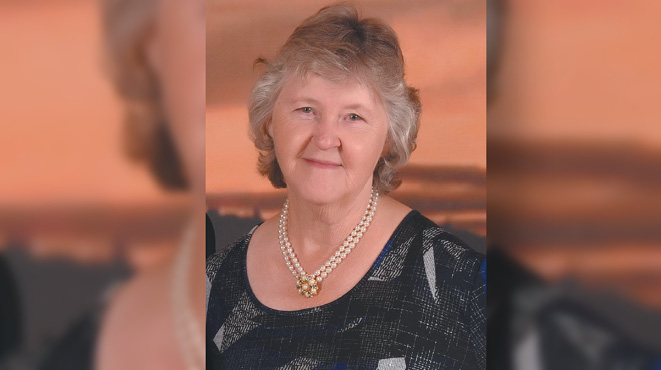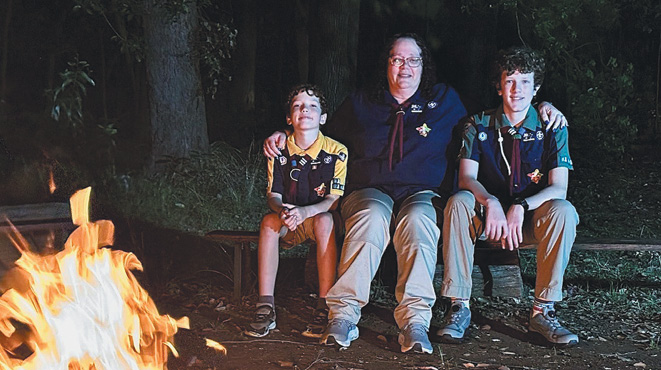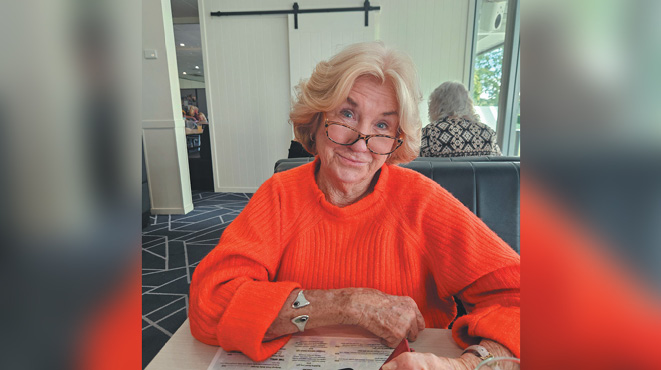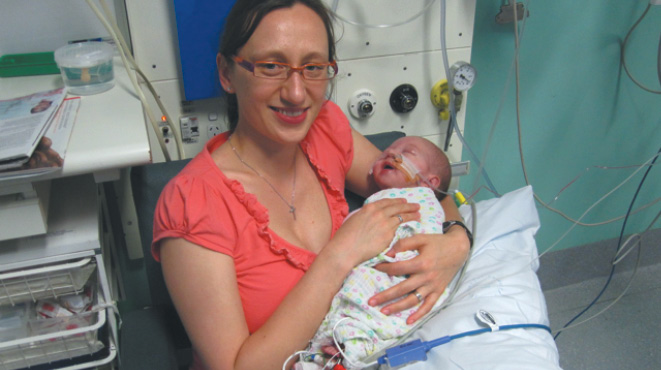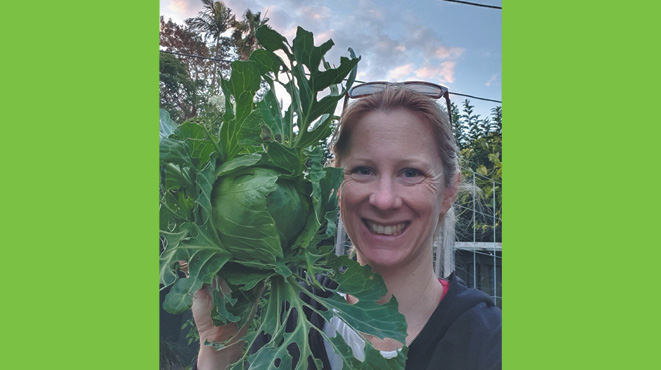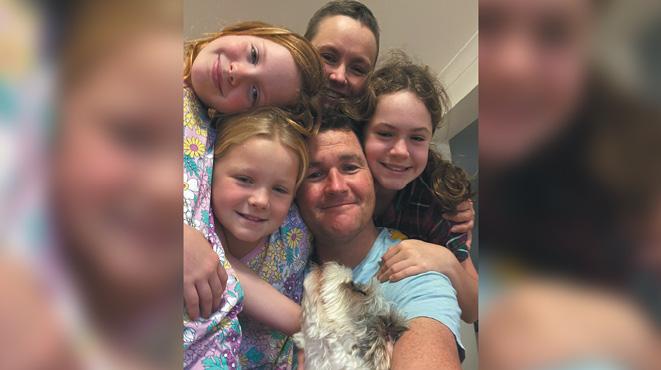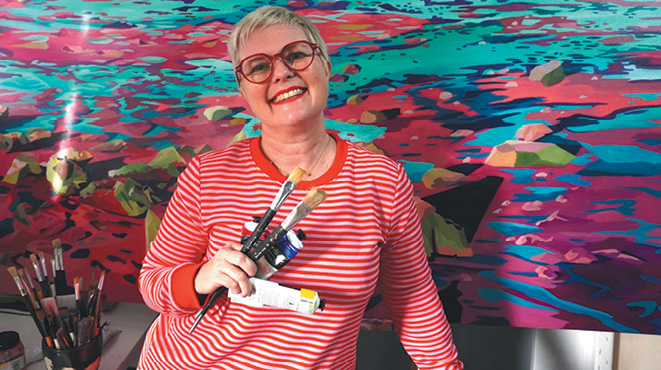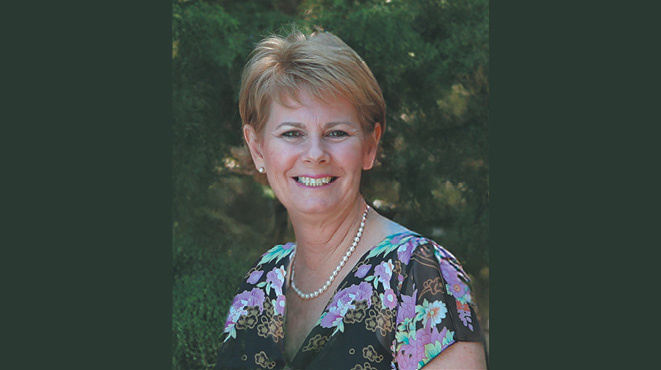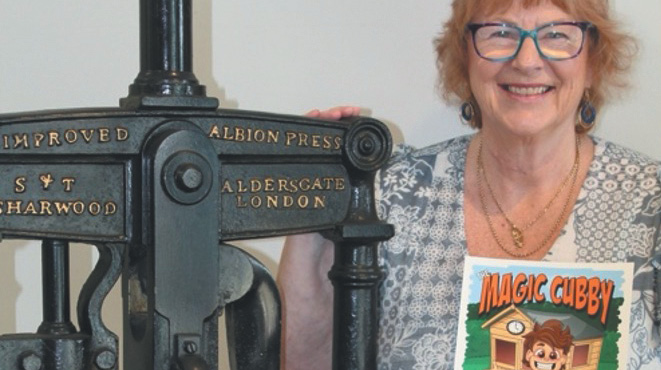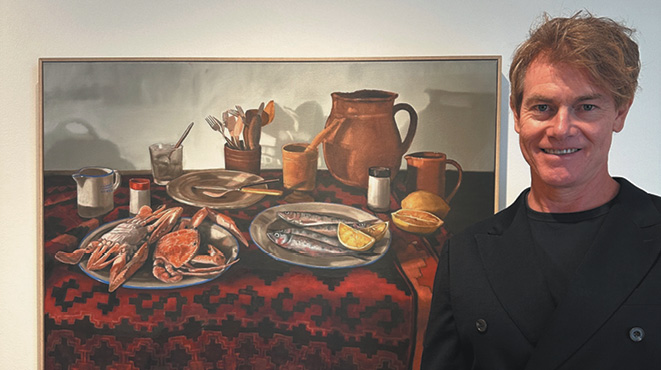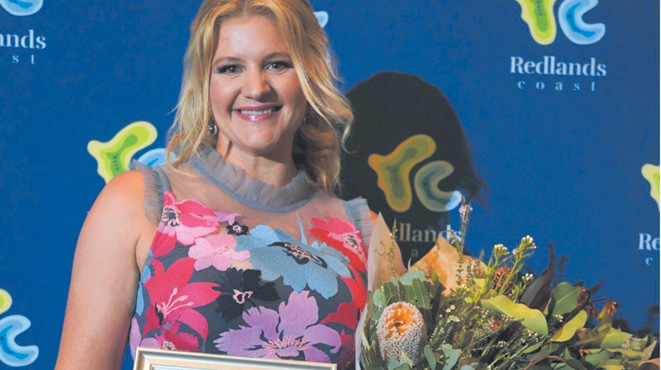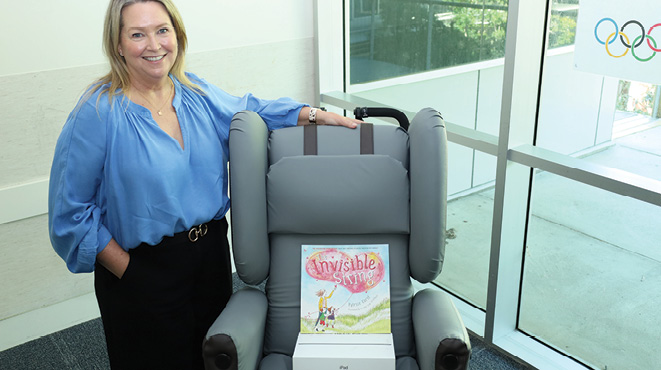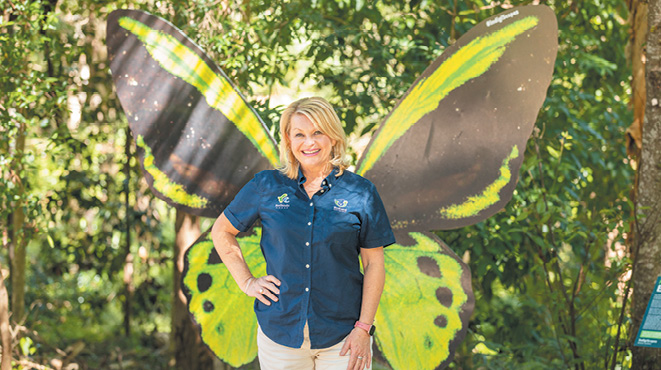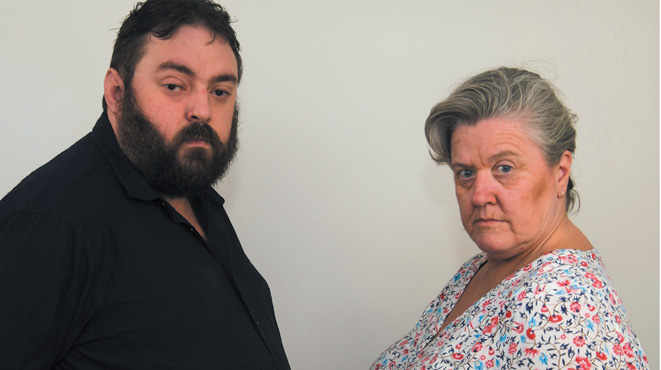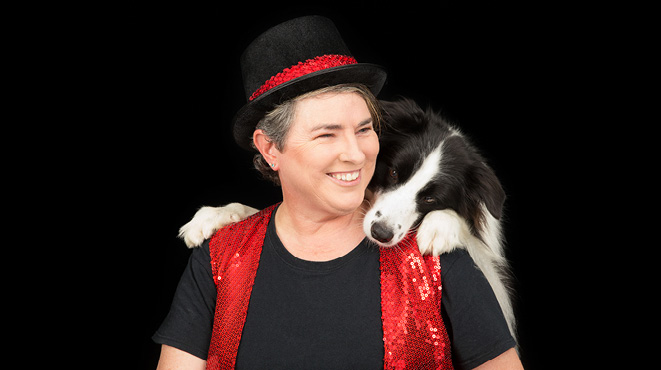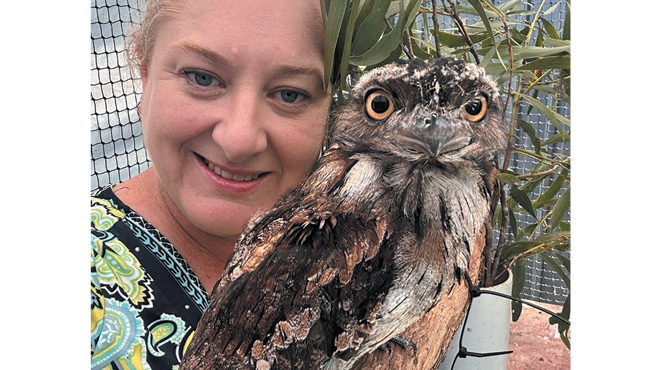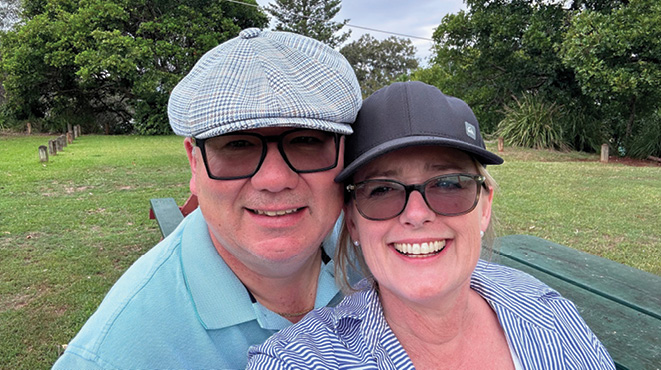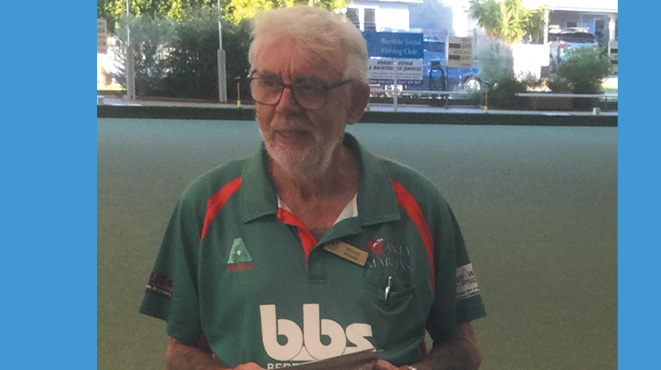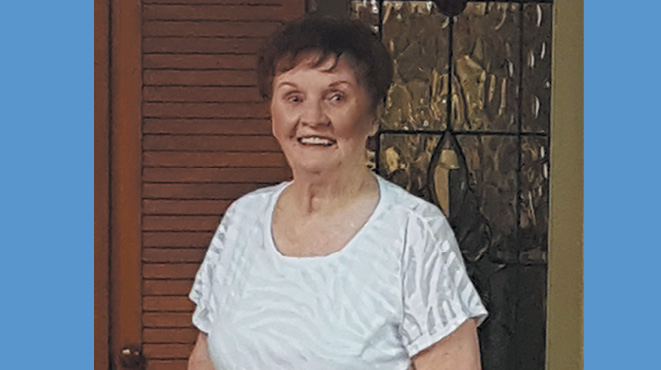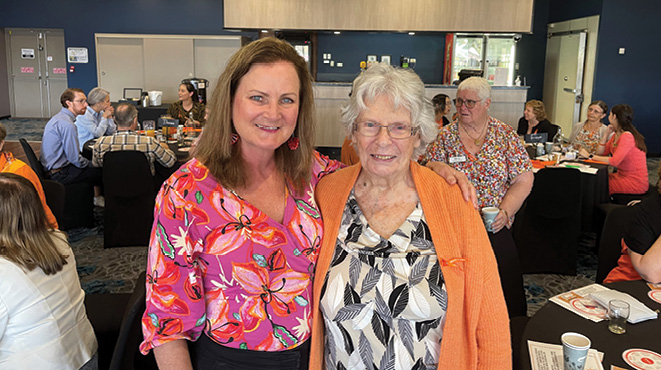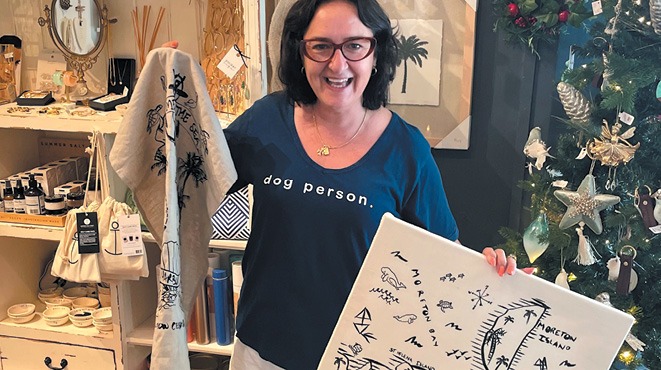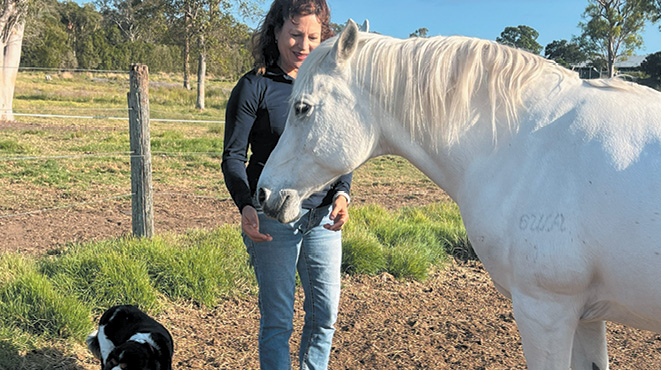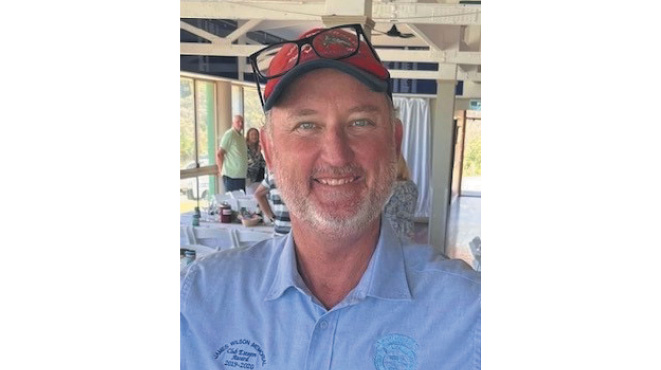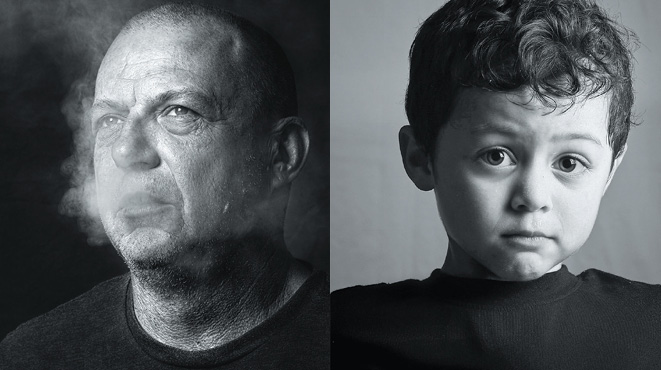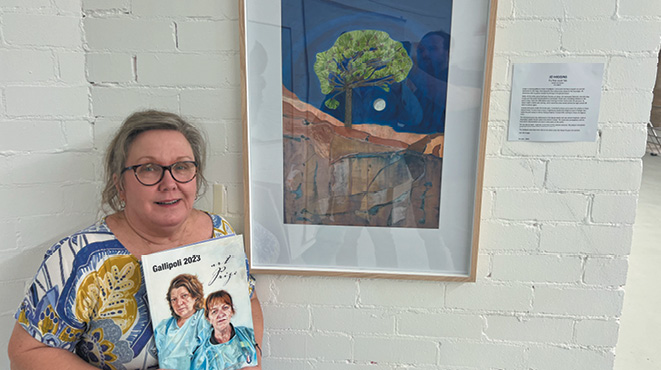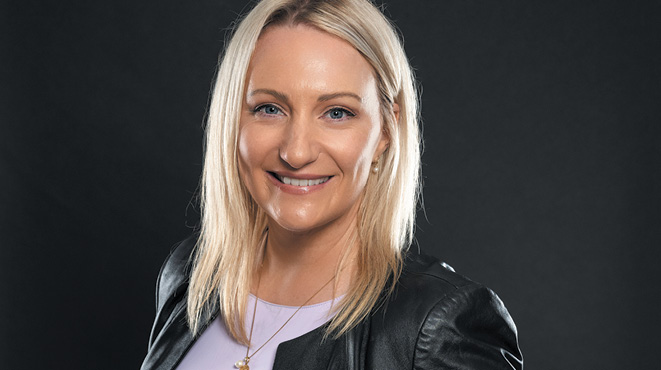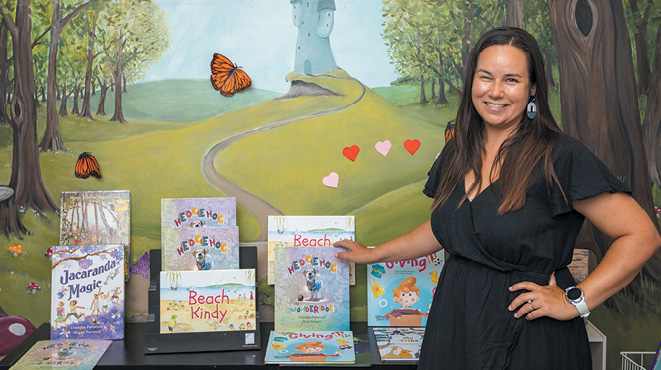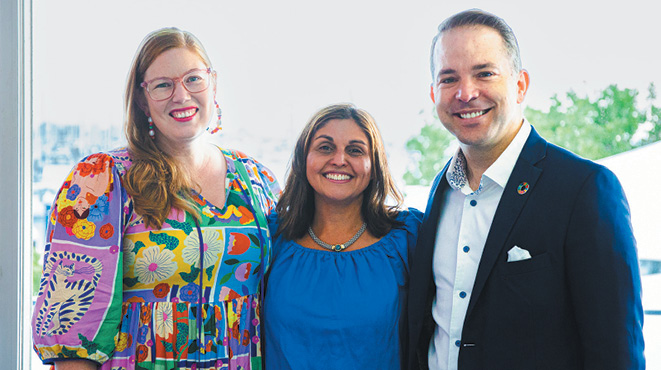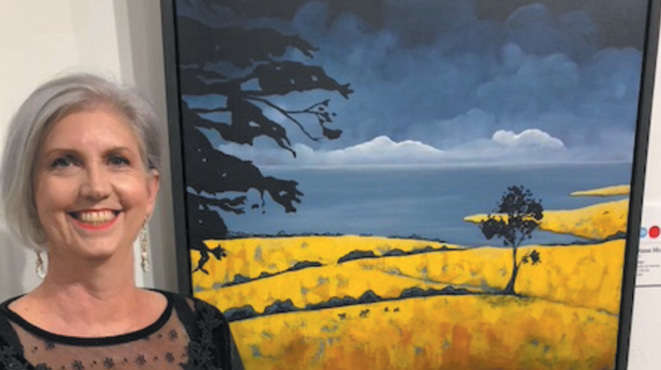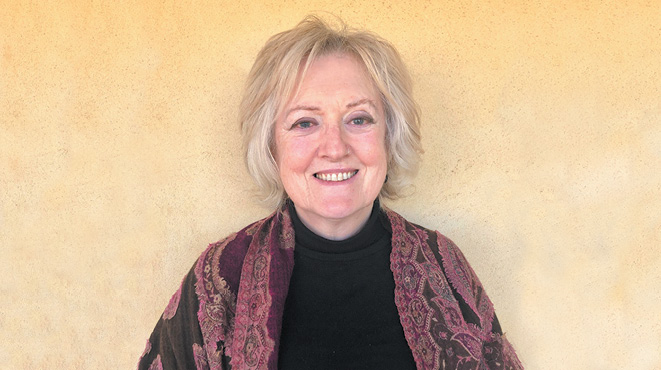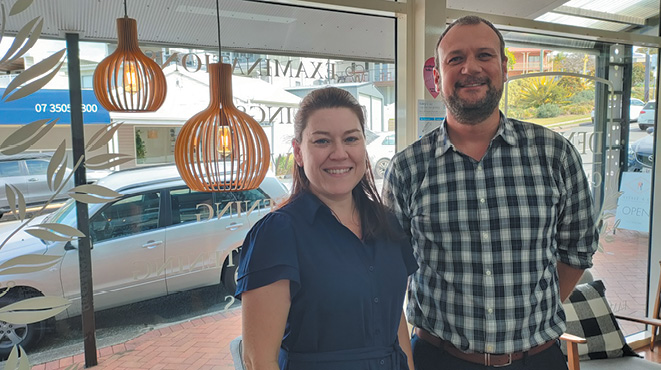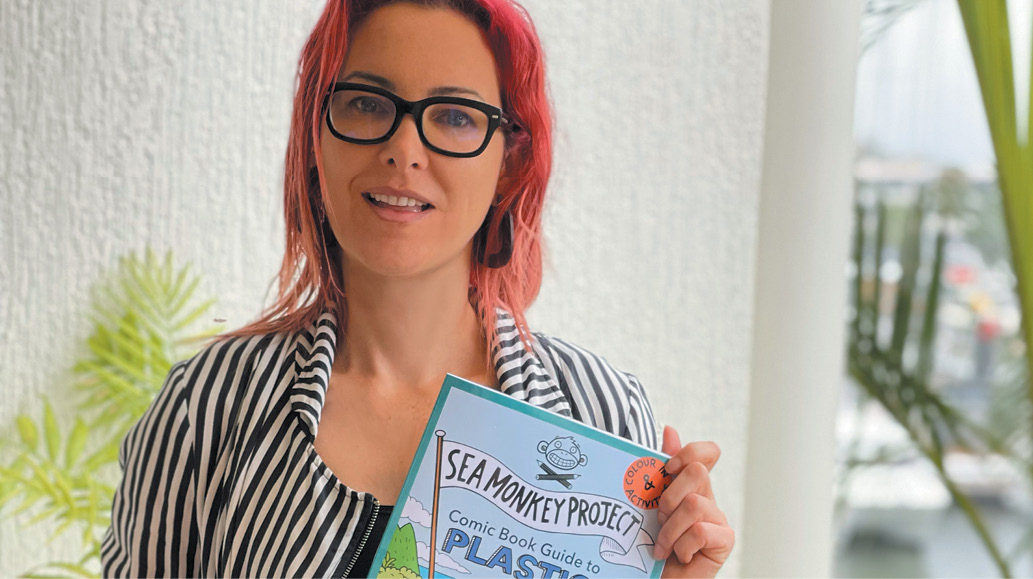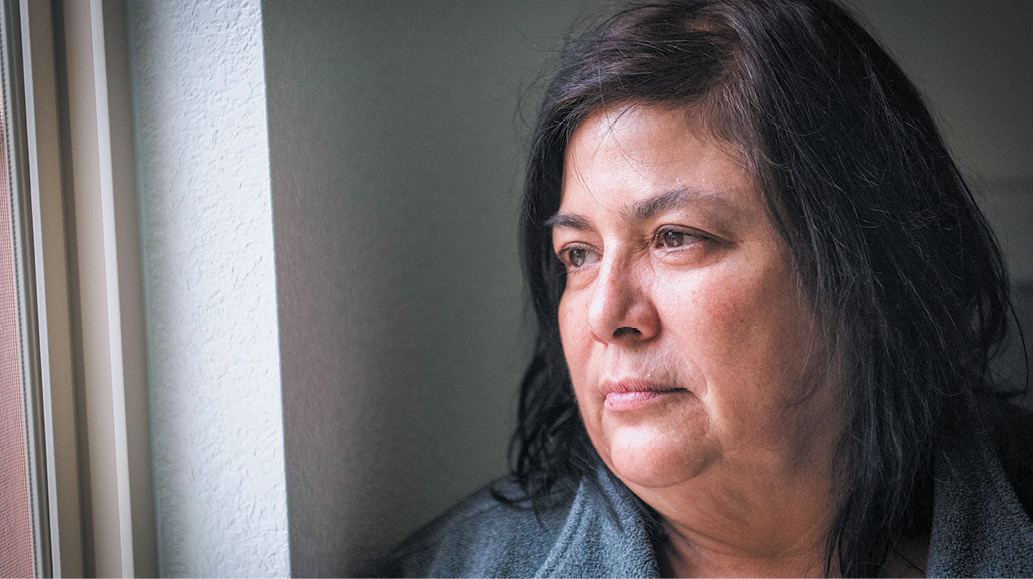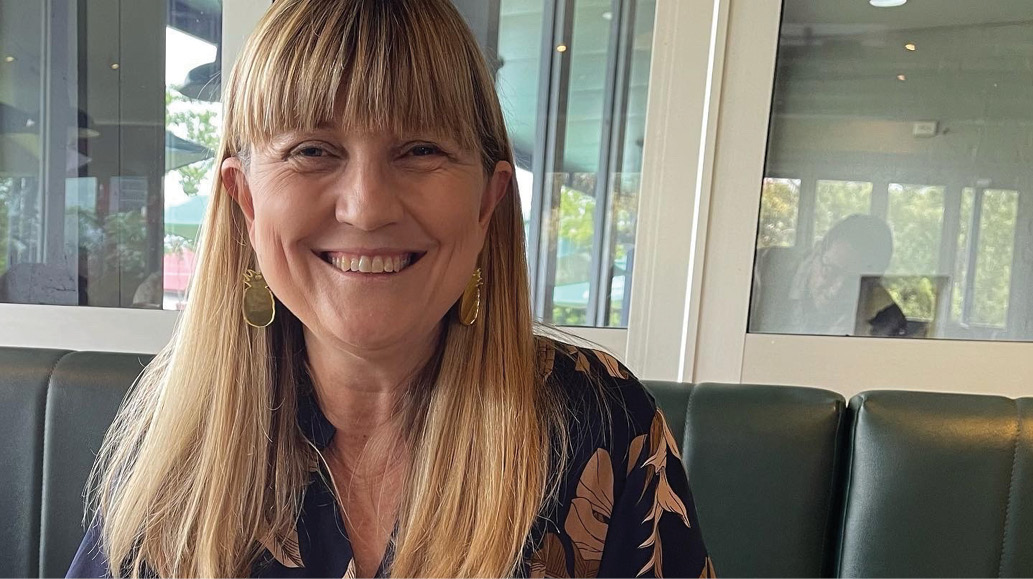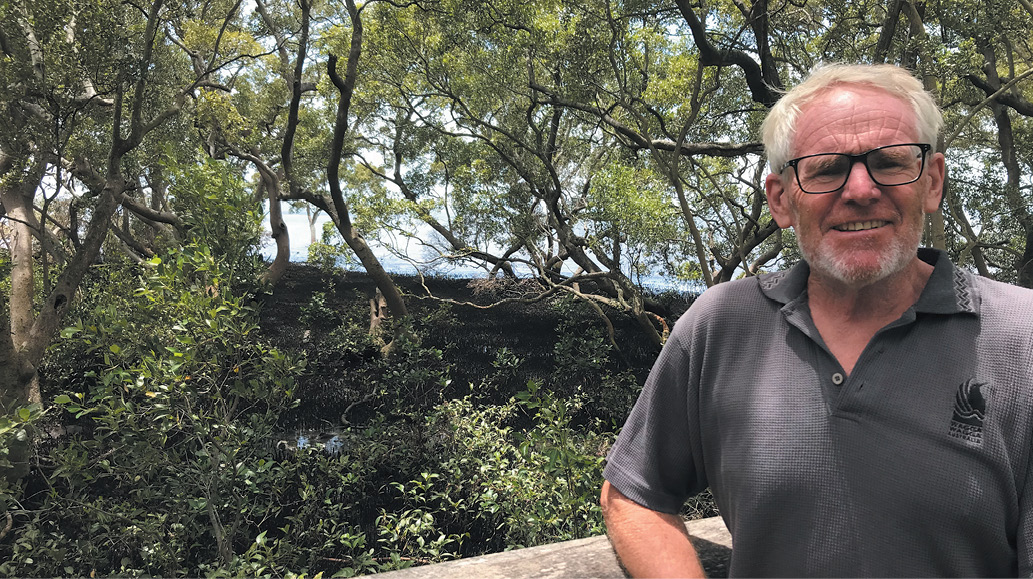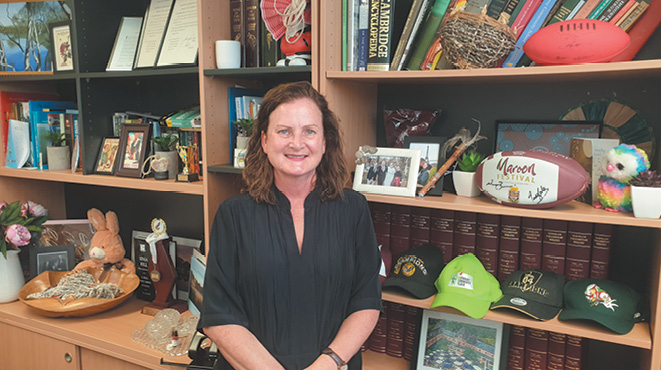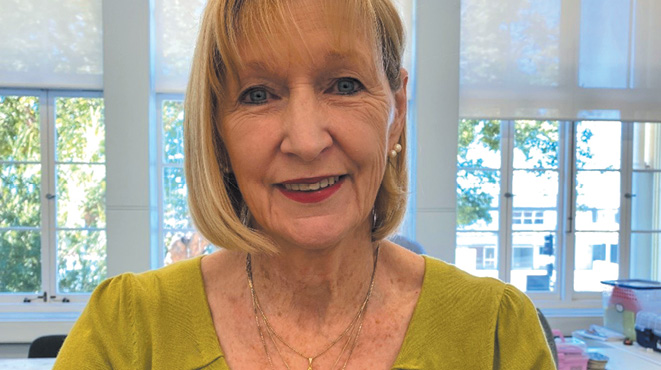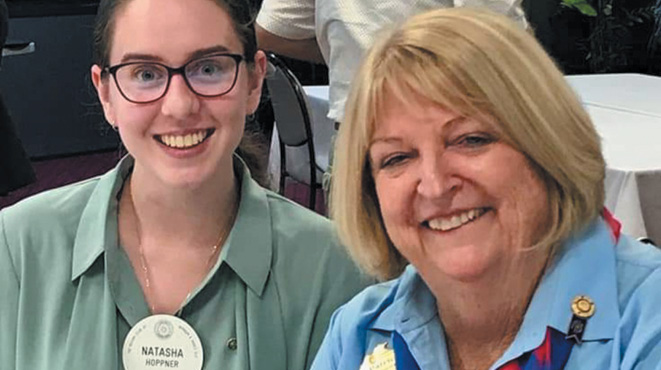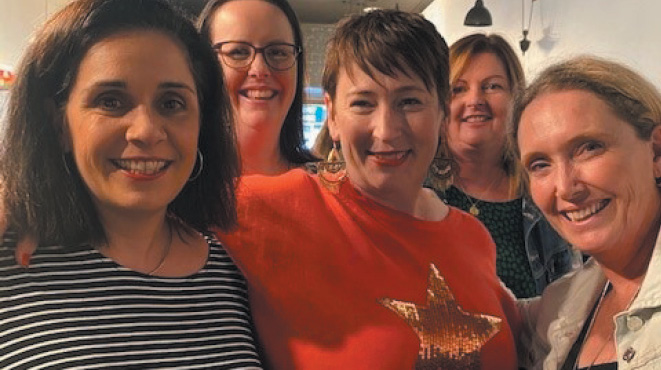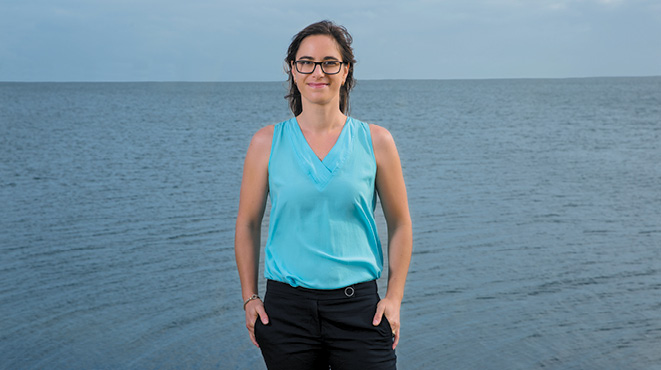
Author Geneve Flynn. Photo: Supplied.
Her mother reading to her as a child instilled a love of stories in author-editor Geneve Flynn.
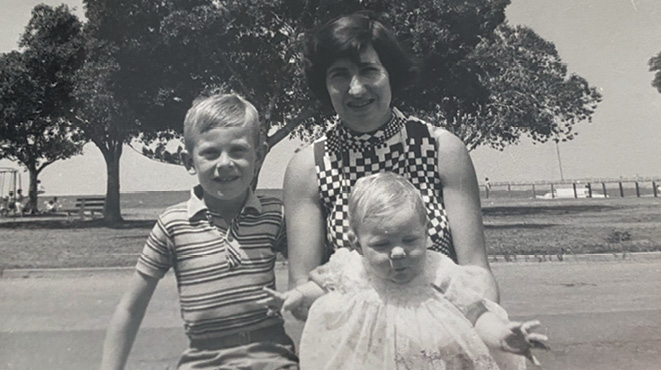
“English was my favourite subject at high school, and I was always in trouble at home for reading at the table. I started writing when I was very young and I was a daydreamer; Mum would say that I’d forget my head if it weren’t screwed on,” she says.
Reading at the table included Greek mythology and the bible, both larded with generous serves of horror, and horror is the genre that Geneve excels at as a professional writer.
“Horror isn’t so much a genre as a tone,” she says. “In thrillers or crime stories, it’s usually life or death stakes; in horror, you’re looking beyond that to eternal damnation, a fate worse than death – horror can invoke a real sense of dread or terror.
“Horror is having a bit of a renaissance and it’s a very broad church now, incorporating a lot of themes – gender and race issues, the intersection with science fiction, the moral question of whether we should be doing all that we can do with science, despite the outcome – it’s gone beyond the slashers and the cheap thrills.”
So, how does a budding writer find the genre that suits them? Geneve recommends reading everything.
“Read across a lot of different genres, find what resonates with you – you could be drawn naturally to a specific genre, but you can learn from them all. Reading crime or thrillers will teach you about pacing and plotting. Reading romance will teach you about emotional tension, how to create different stories, characters and scenarios to engender joy and tension for readers when you know that what they’re looking for is ‘happily ever after’ or ‘happily ever after – for now’.”
Geneve says that the old dictum of an instant-grab opening (remember “It was a dark and stormy night. Suddenly a shot rang out.”?) still holds but the ending is just as important.
“Catchy openings are even more important now because our reading habits and our attention spans have changed,” she says. “Writers can’t take time to introduce the character through a very slow build-up; there has to be some hook, whether that’s a question or a strong authorial voice. The opening is what will draw them in, but the ending is what they’ll remember. You want something that will stay with the reader.
“Cliff hangers can run the risk of frustrating your reader; double endings can come across as a bit like cheating. Famous writers may get away with it, but as an unknown author, it’s probably safer to resolve some of the main story questions.”
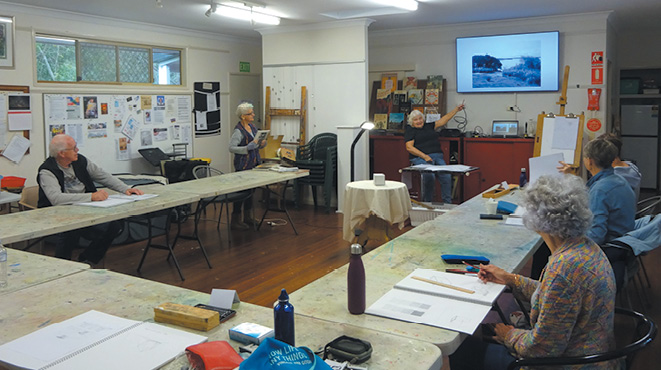
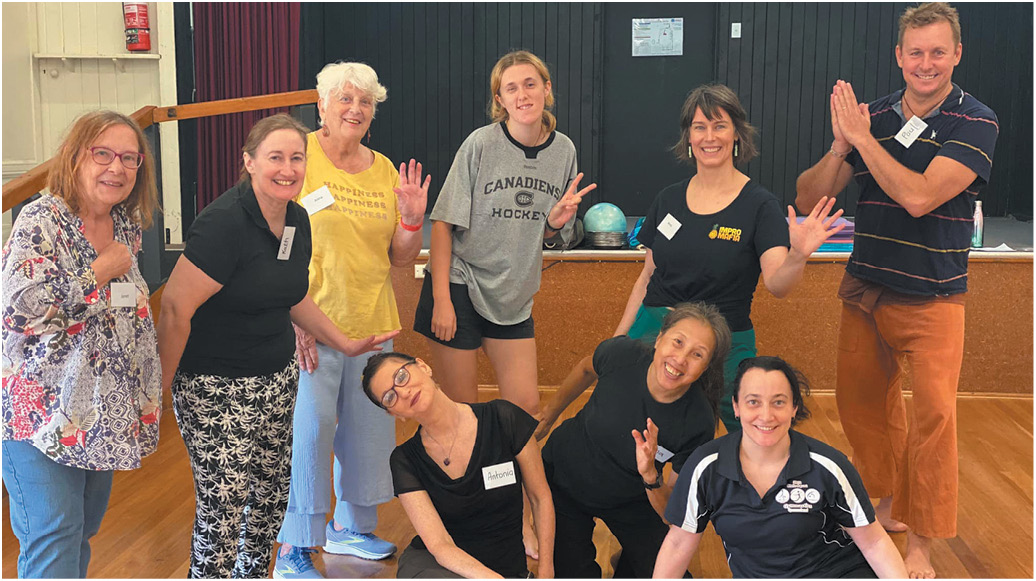
Many of the questions will be resolved as Geneve, a multi-award-winning author and editor, shares the secrets of writing conflict and suspense in a free three-hour workshop at the Cleveland Library on 7 June. Bookings are required.