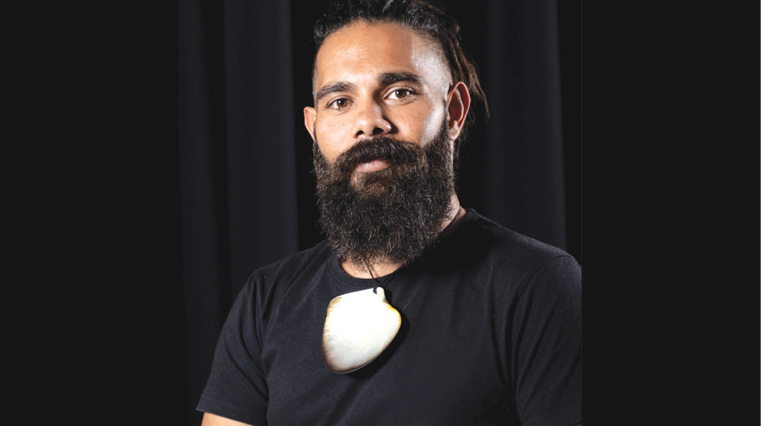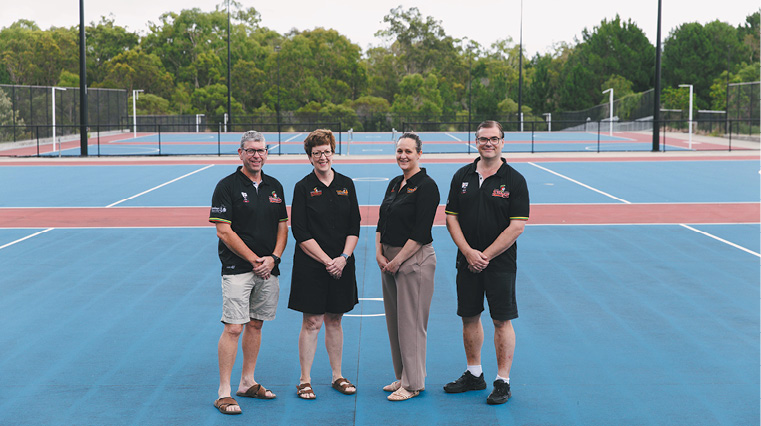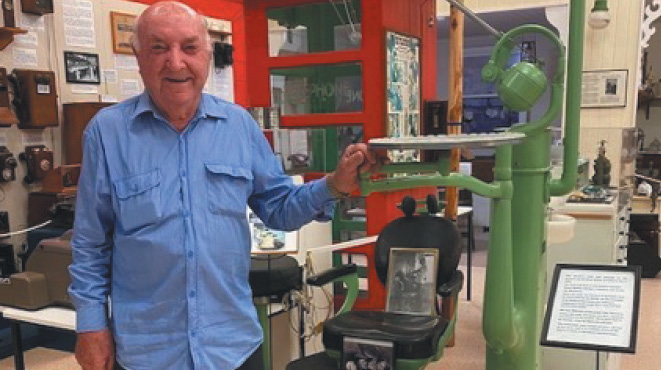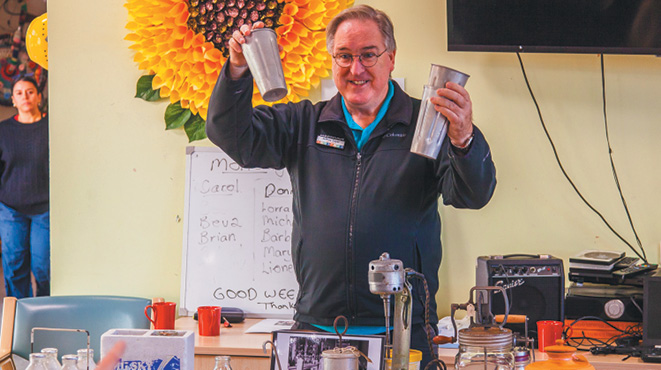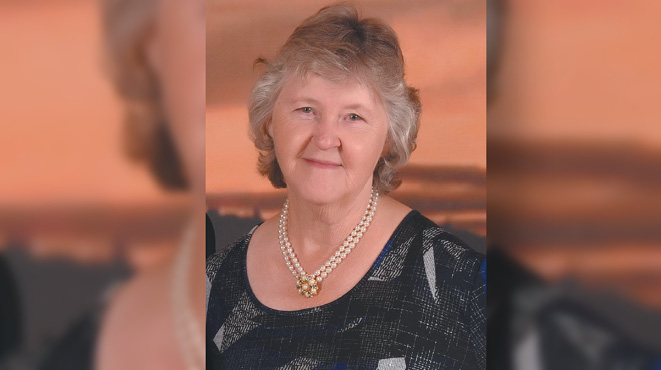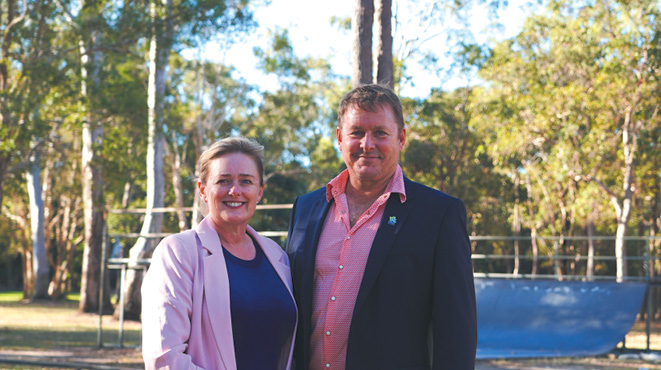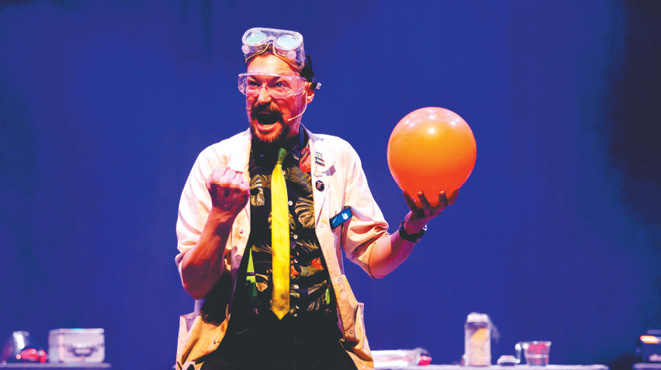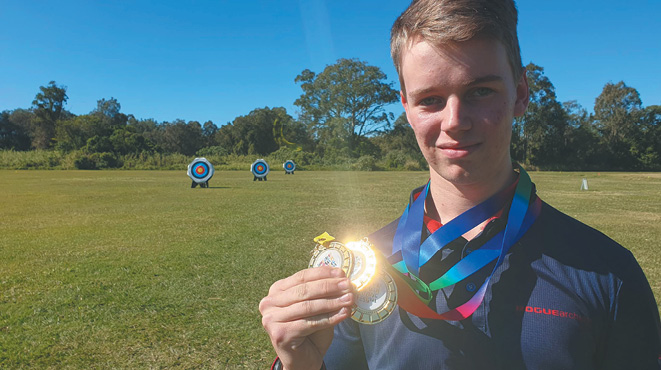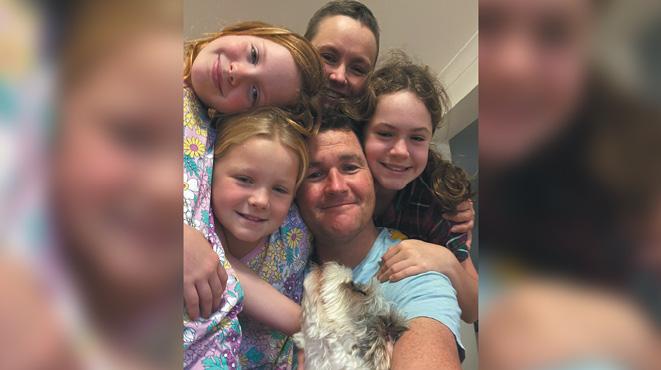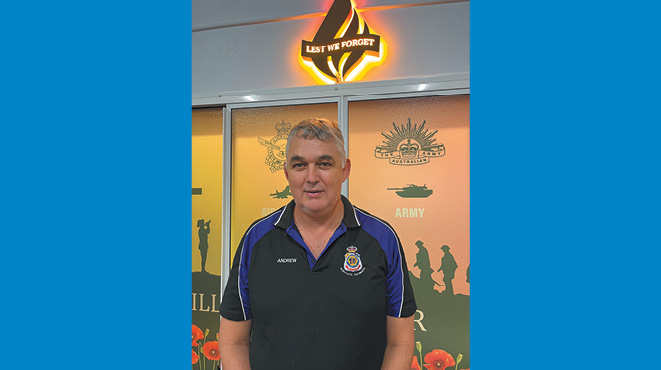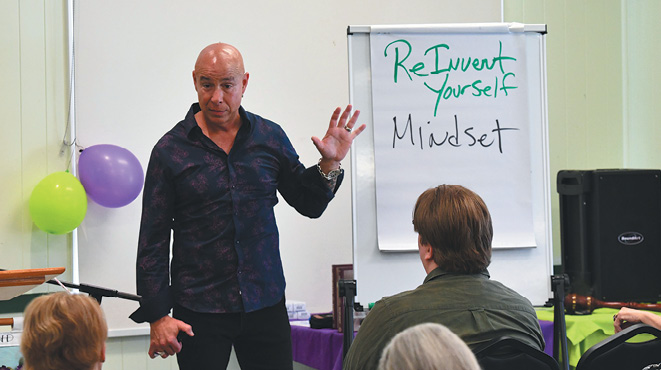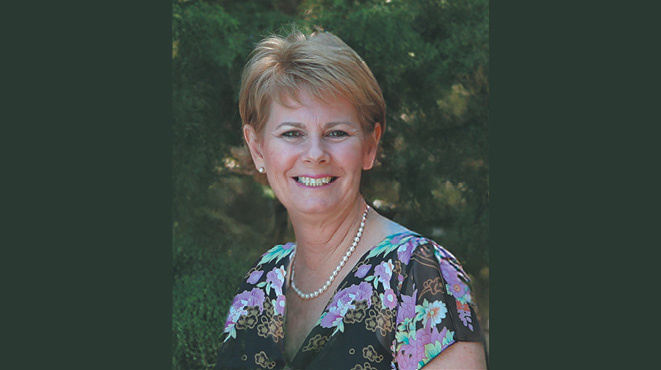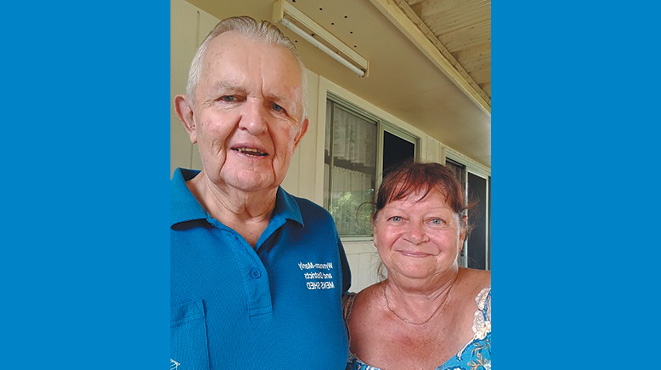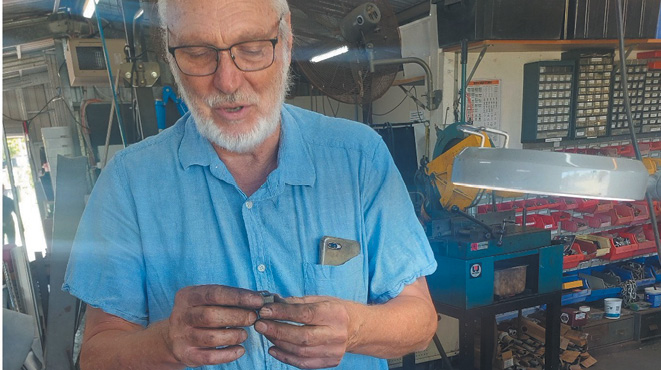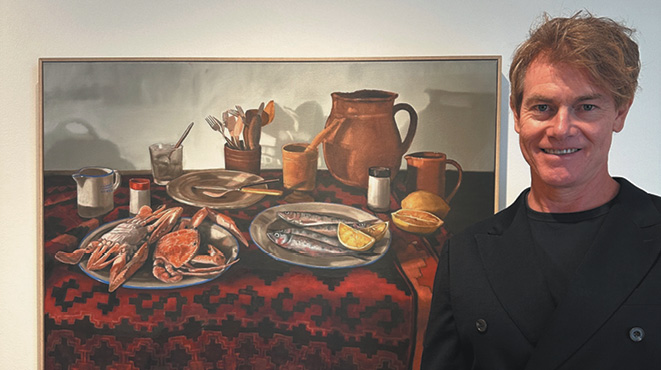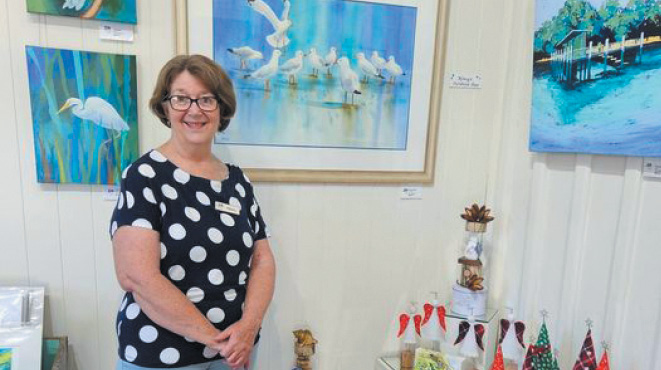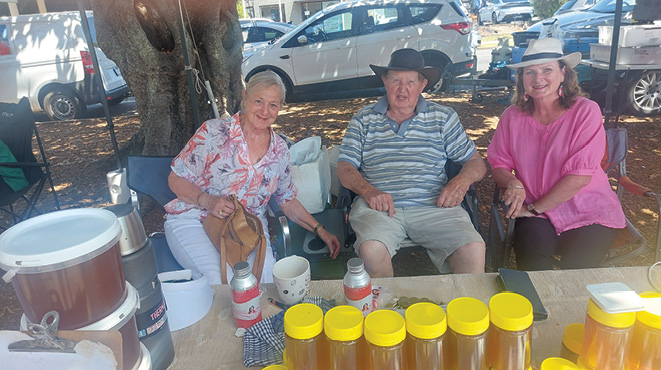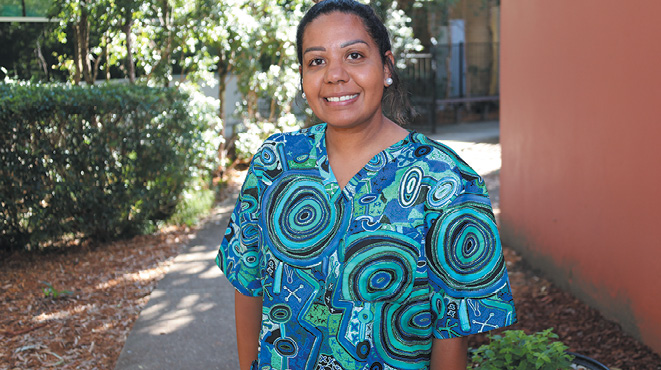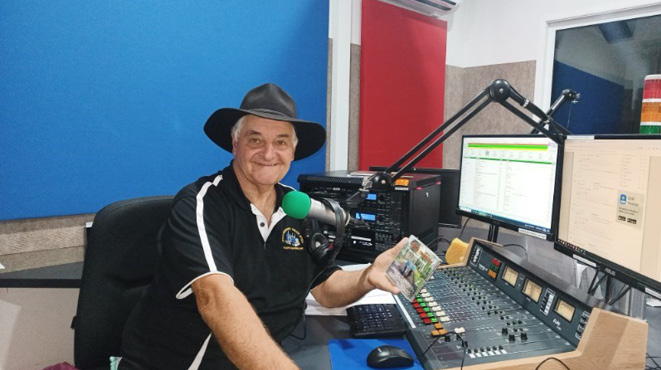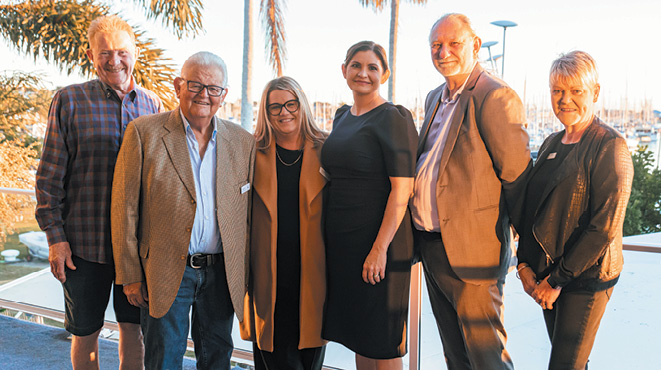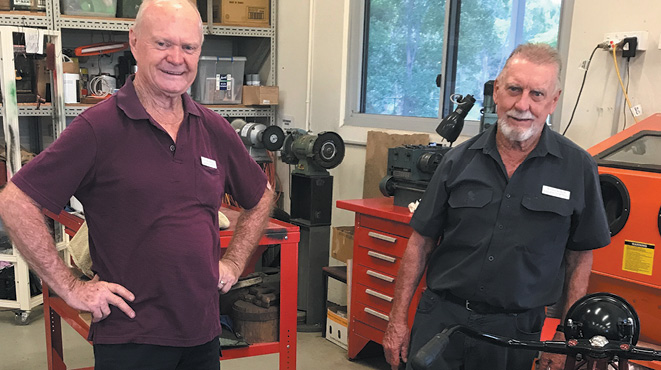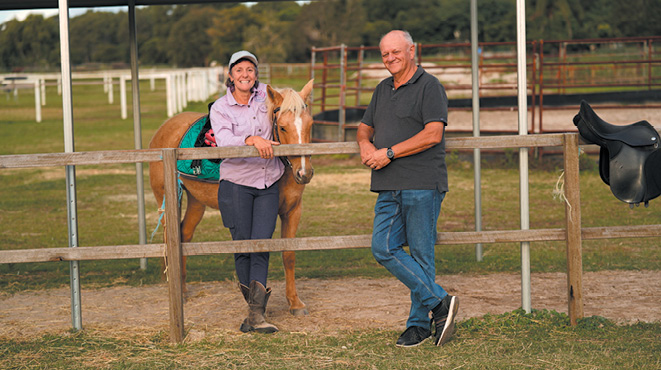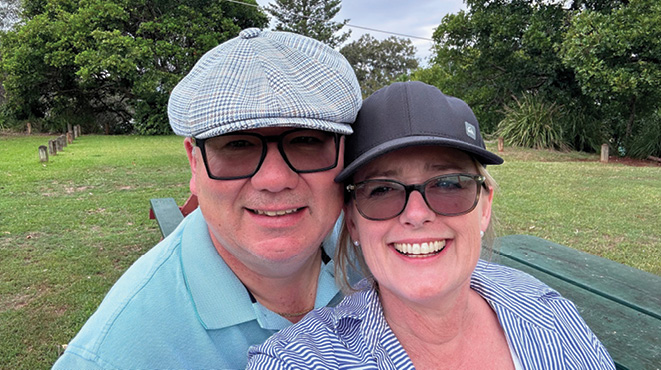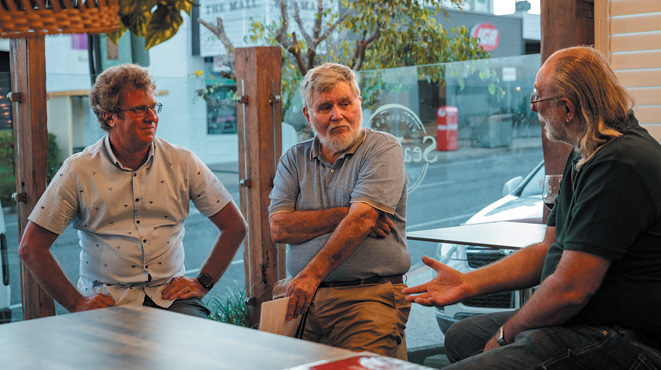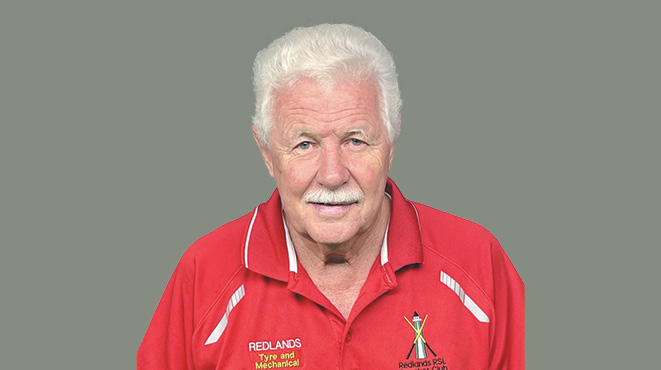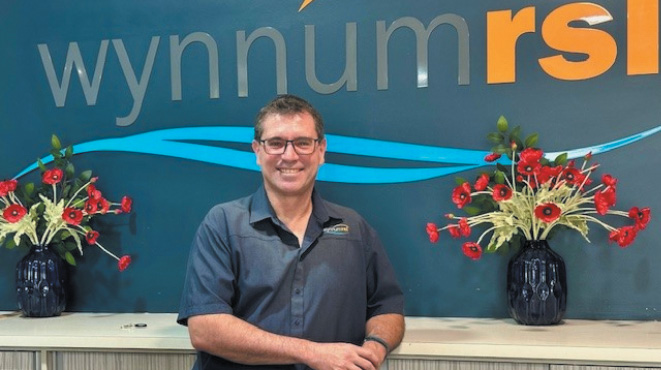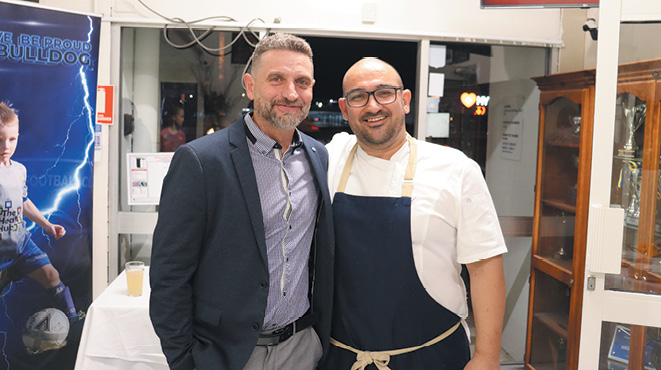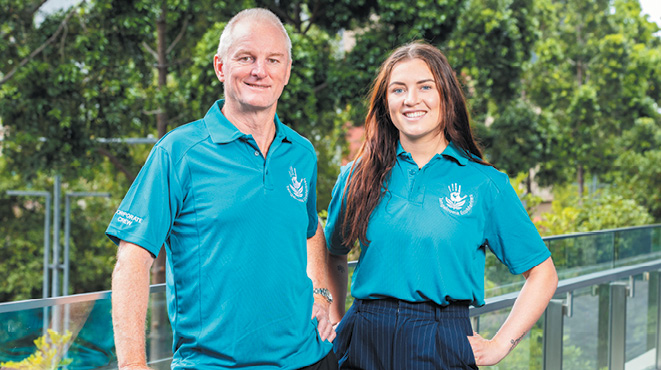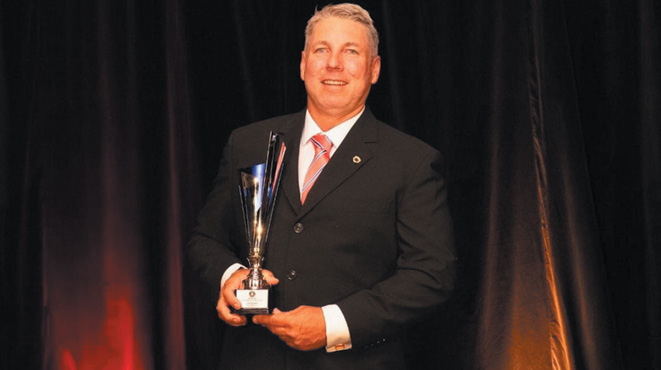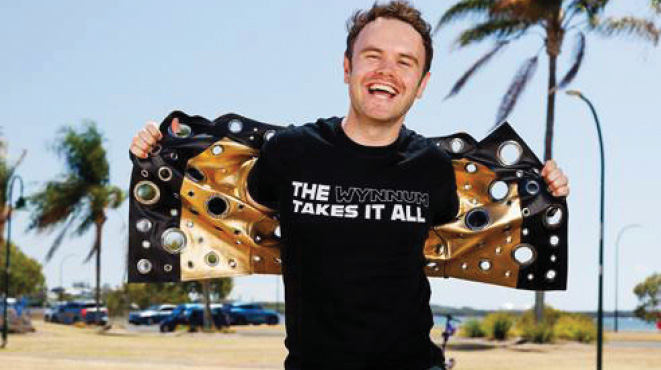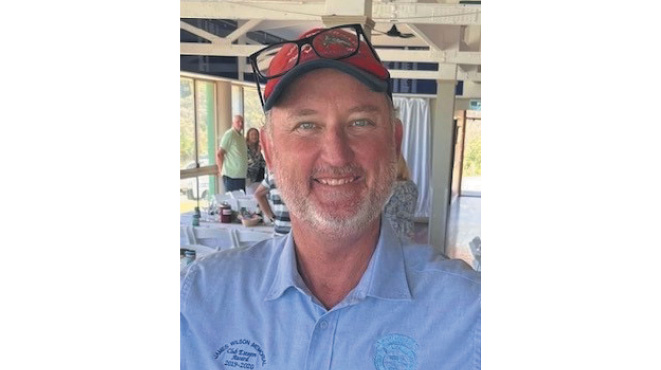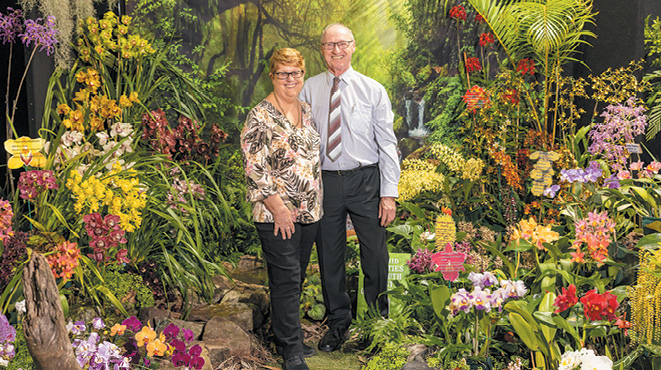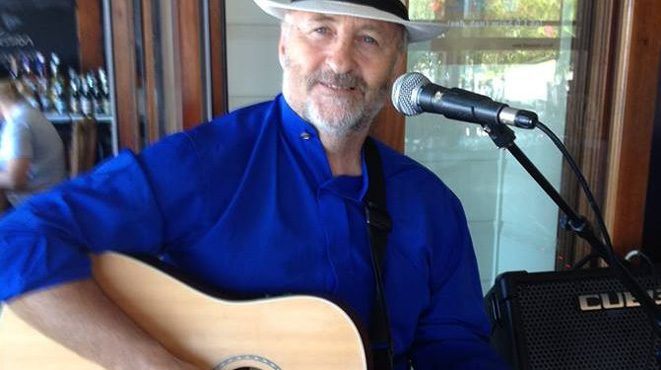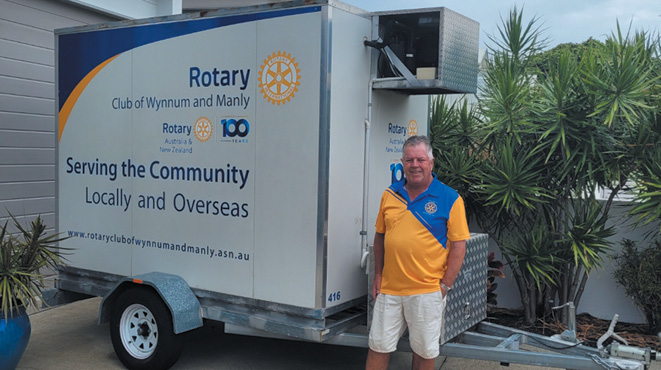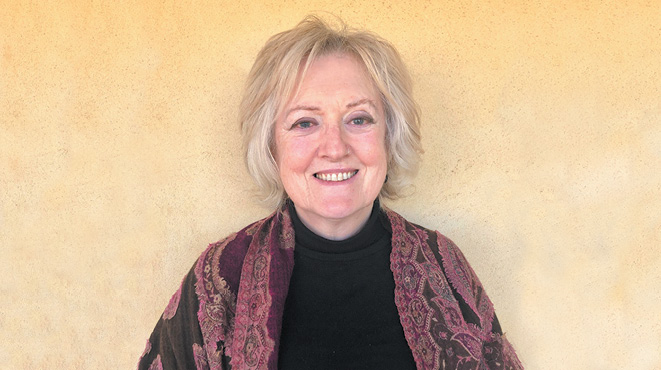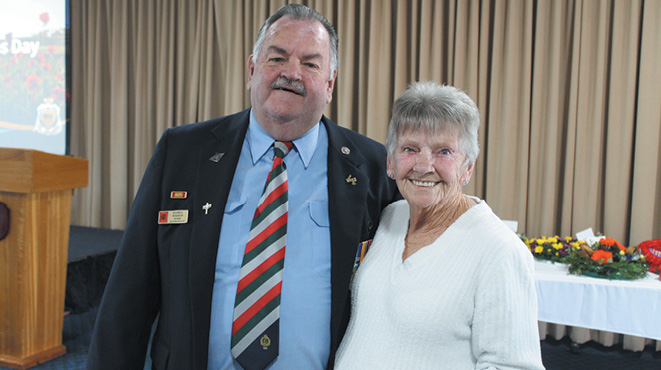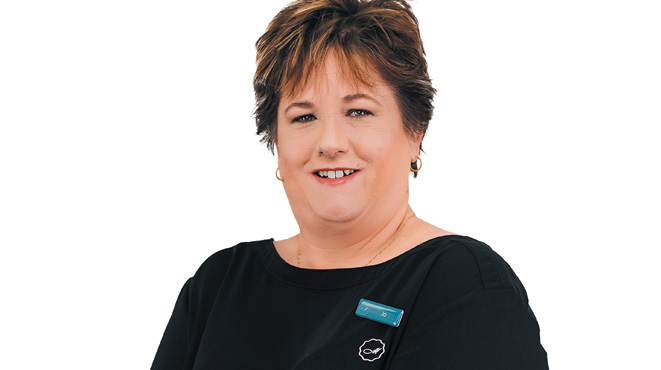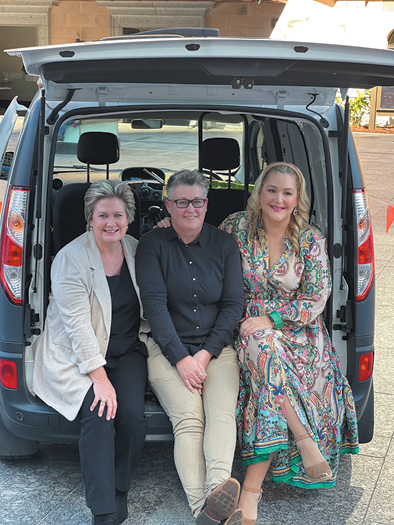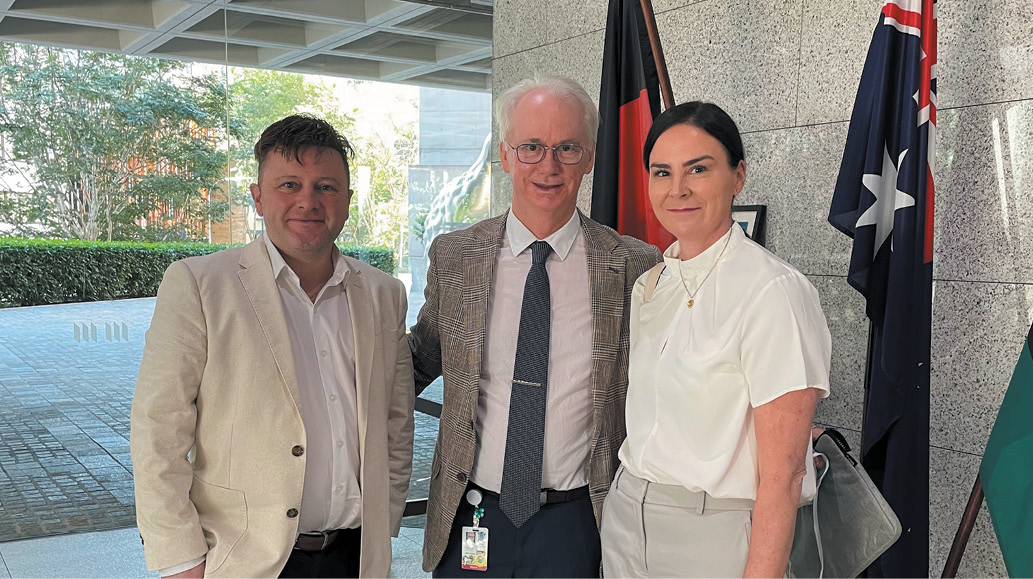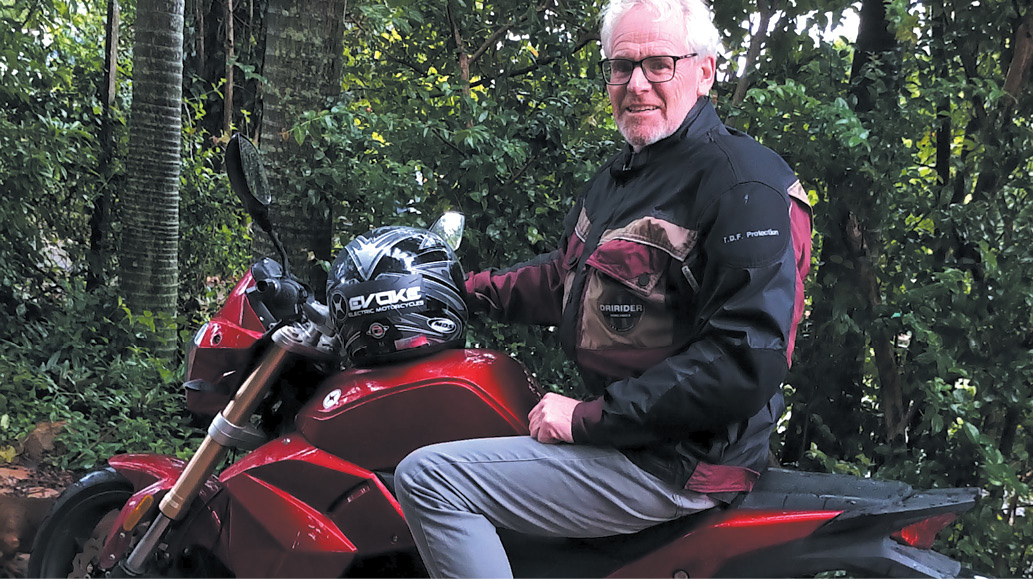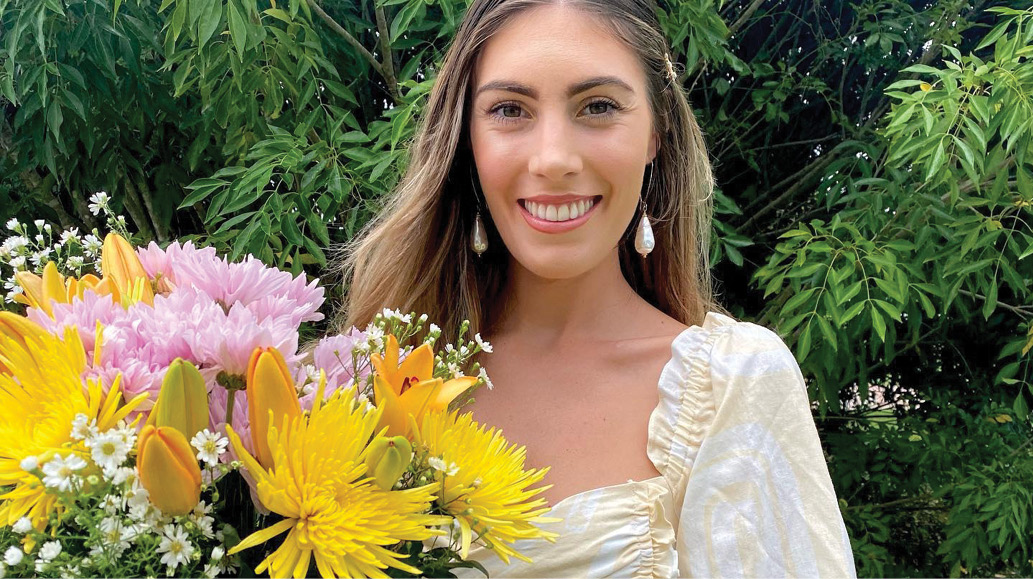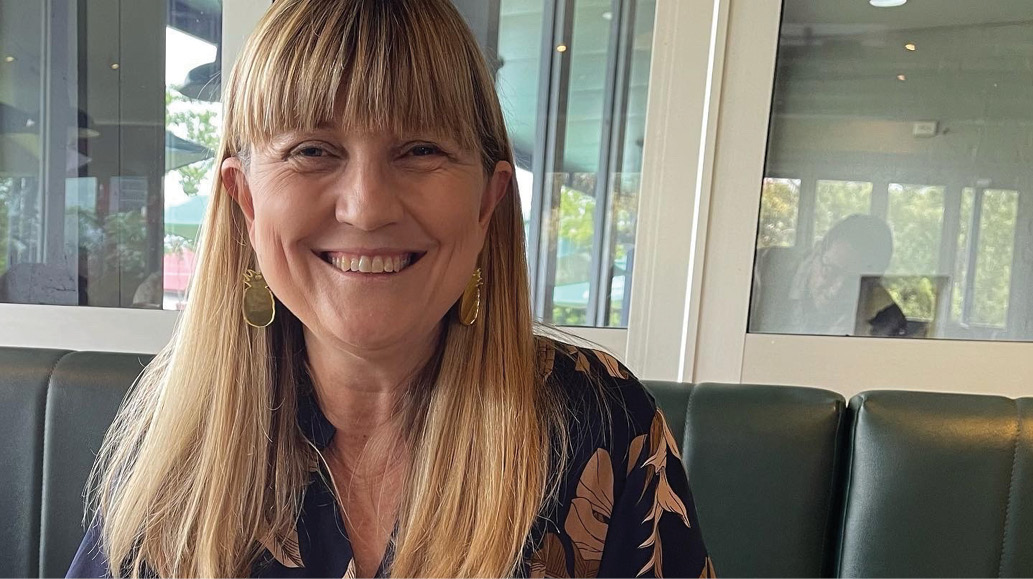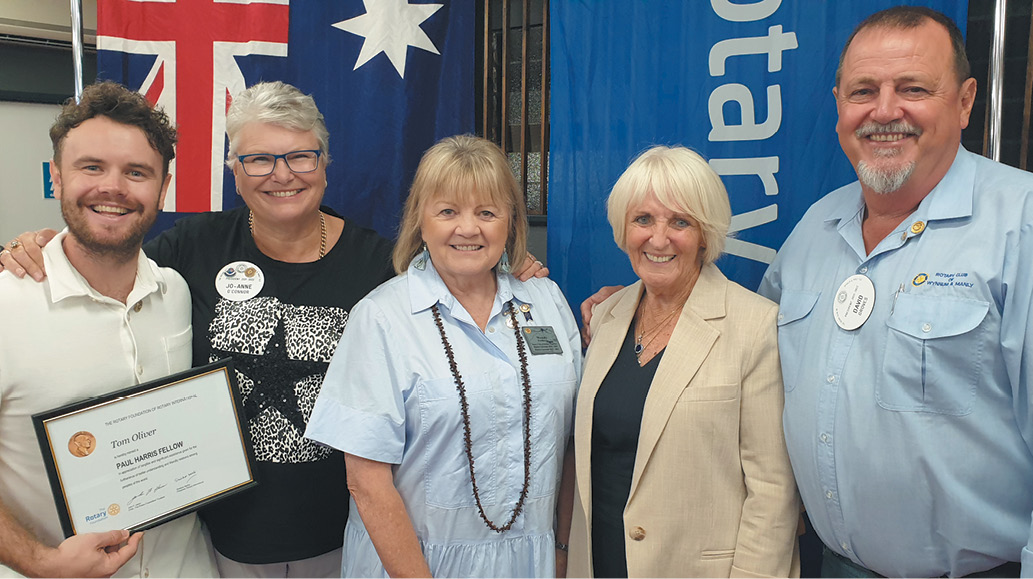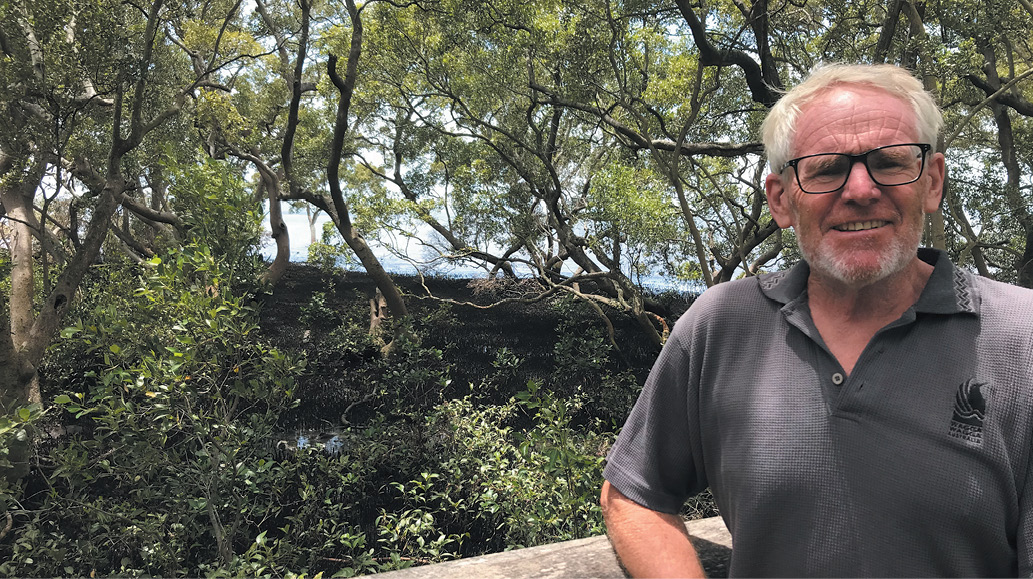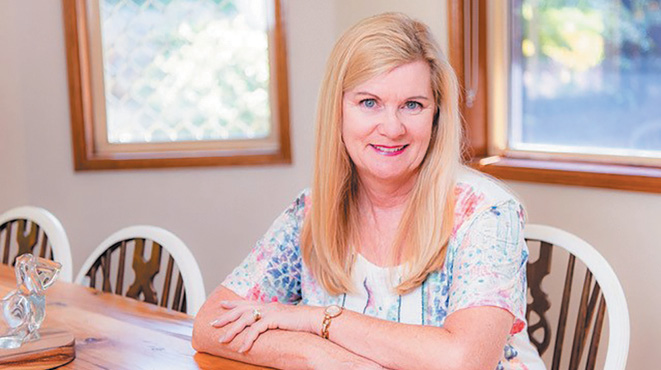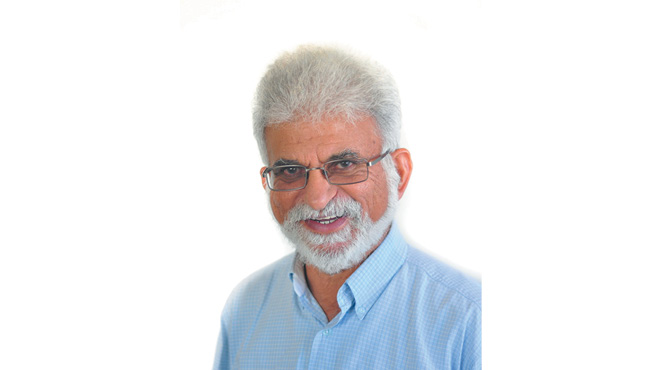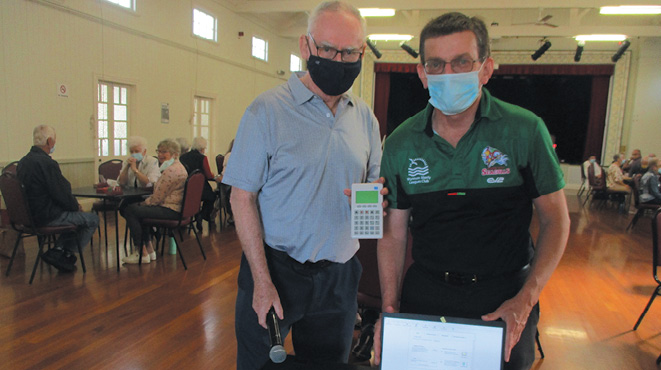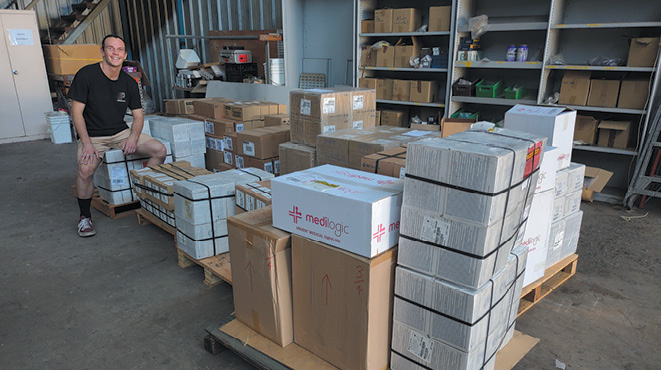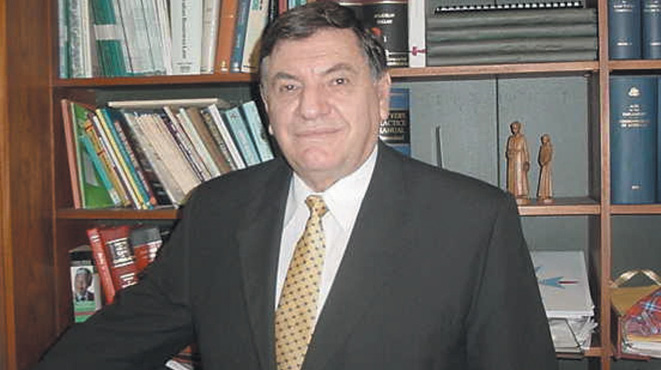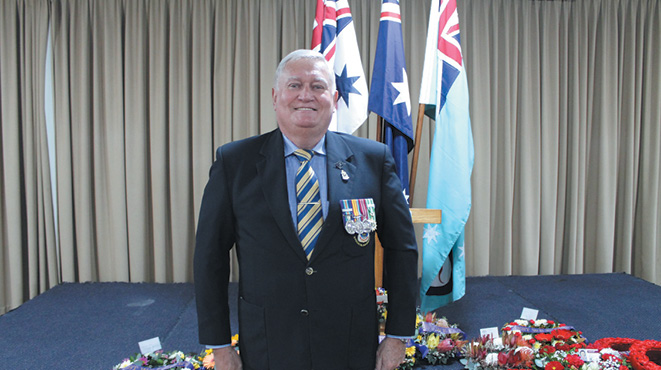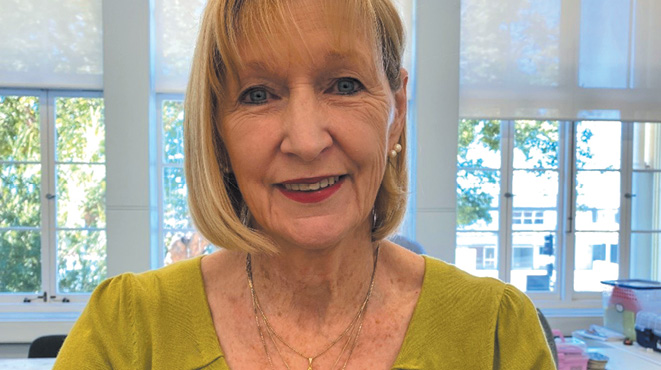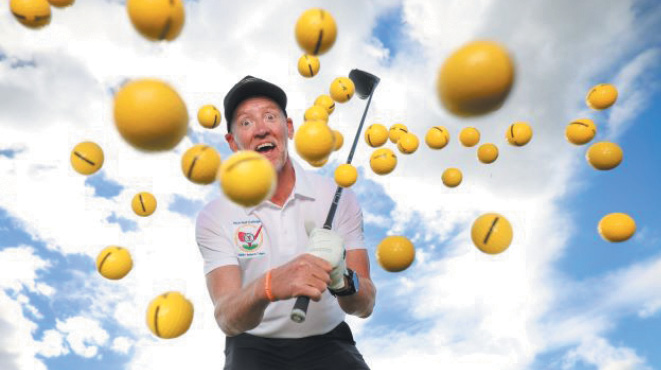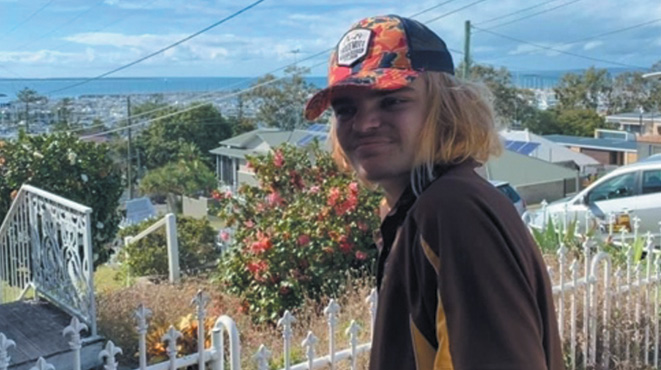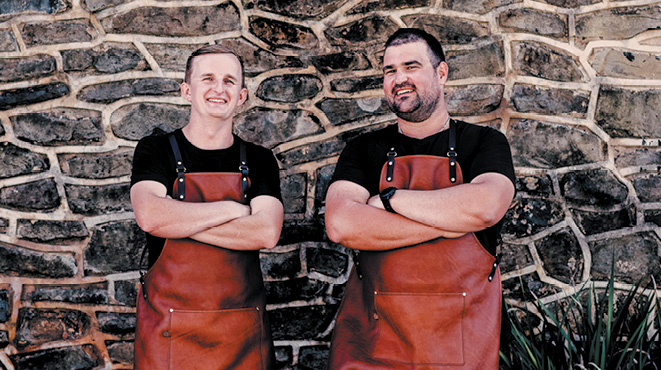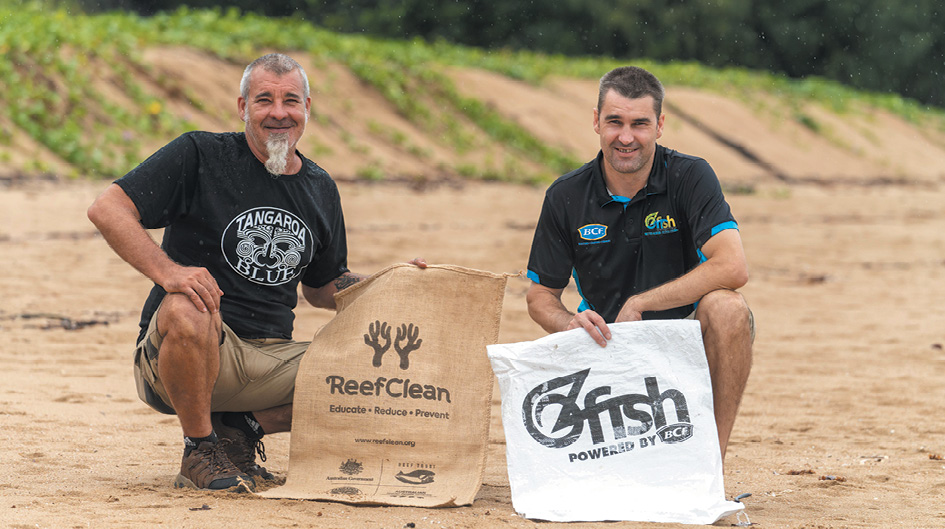
Brian Donaldson. Photo: Supplied.
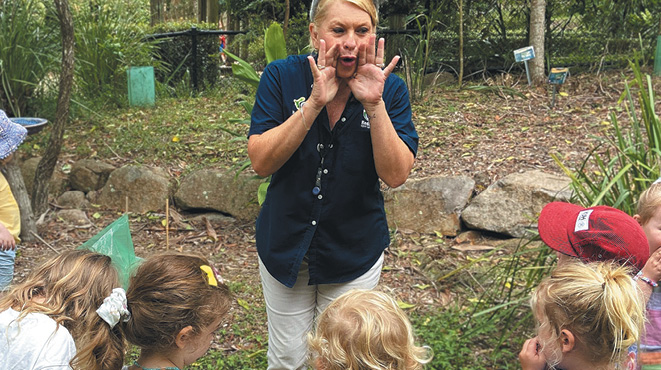
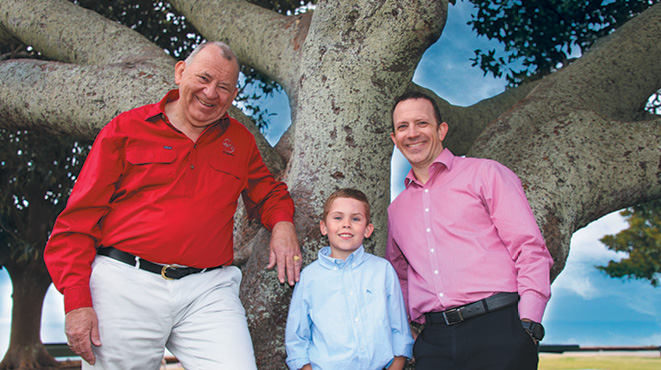
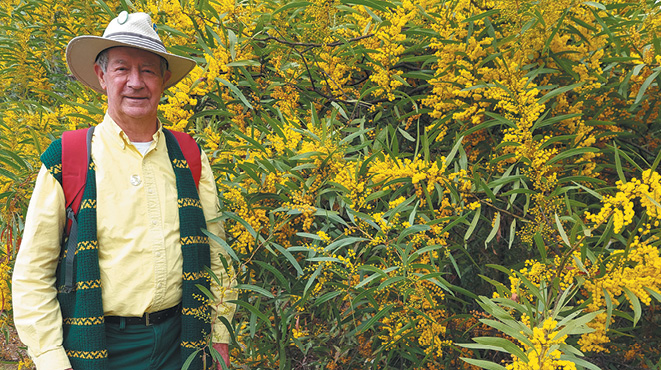
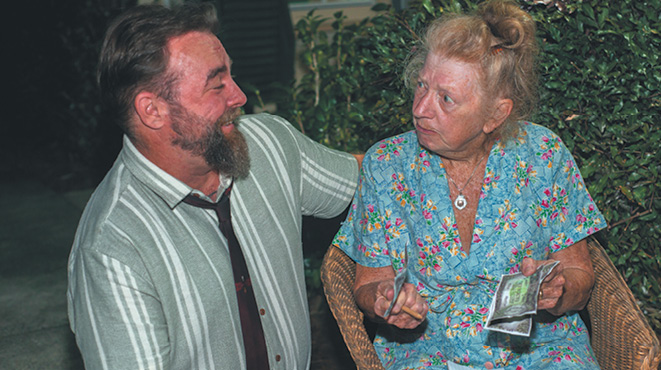
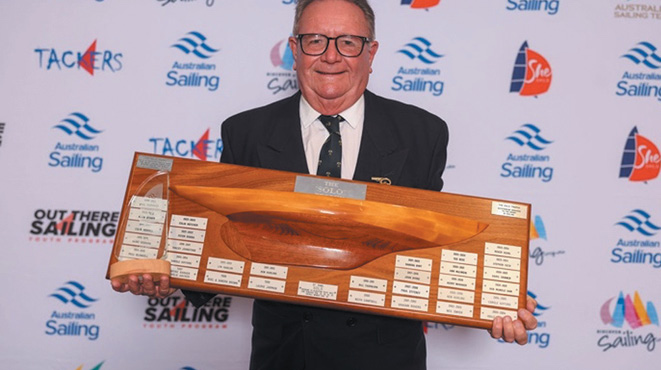
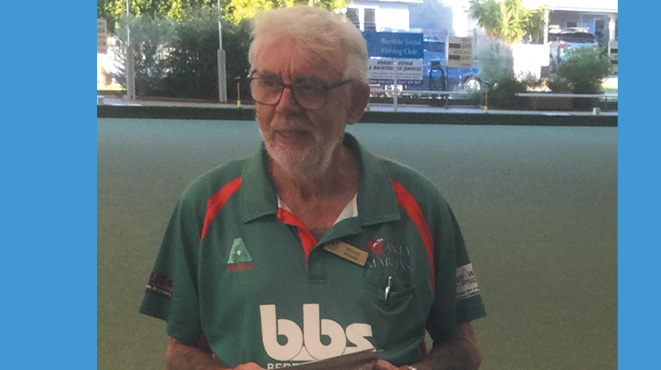
If you think that worms are boring, you obviously haven’t had a conversation with Brian Donaldson. Brian’s interest in worms was sparked by a TV show about composting. He bought a big worm farm, moved to acreage, had children and downsized the worm farm while family demands took precedence. But the spark of interest had ignited a passion, and the worm farm grew to the point where, five years ago, worm farming became a full-time family business. Brian’s now an enthusiastic purveyor of composting worms and worm products (for products read castings and leachate) and an all-round educator on the subject of worms.
“There are 3,000 odd species of worm in the world – including the giant Victorian earthworm that is also found in three places in Queensland – they can grow up to three metres long. Composting worms are different from your standard earthworm, and there are only six species used for composting. Five of those species are used in Australia: the Tiger and the Red Tiger – you can only tell them apart by dissection – and Blues, Africans and Euros, the two species we raise for fishermen or for feeding pets like axolotls.”
Brian says that the African worms, originally an introduced species, have been in Australia for a long time, but it’s not easy for composting worms to spread themselves around, so there’s no danger of them becoming a problem pest.
“Unlike soil-dwelling worms, compost worms don’t dig burrows.; they live on top of the soil. They’re microbiological powerhouses – feeding plants all comes back to microbes, so if we can add microbes by way of worm products – soil conditioners – that will help the soil to function,” he says.
While insects, such as Black Soldier Fly larvae, may hold a solution to food security for humans, worms are the only small creatures used for composting – and they function non-stop.
“They tend to slow down in cold weather,” says Brian. “The larger the worm farm, the warmer it will be, so the worms will over-winter better. The life of a worm is one to two years, but we have to be careful not to over-handle them; once a fortnight is safe.”
If your interest has been sparked, if you want to try your hand at worm farming or brewing worm casting tea, you can track down coming events – or book a worm talk – through Brian’s website, www.thewormman.com.au.