Photo: Kat Pearson.
BY KAT PEARSON, GIRL IN THE GREEN
Local and not-so local figs…
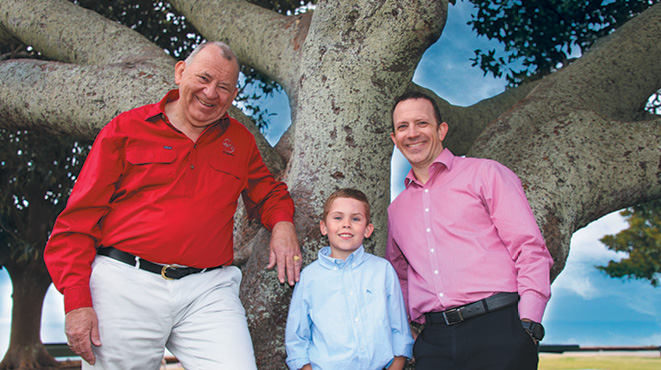
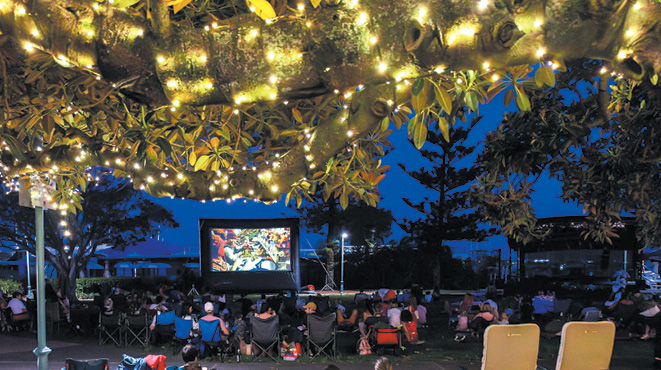
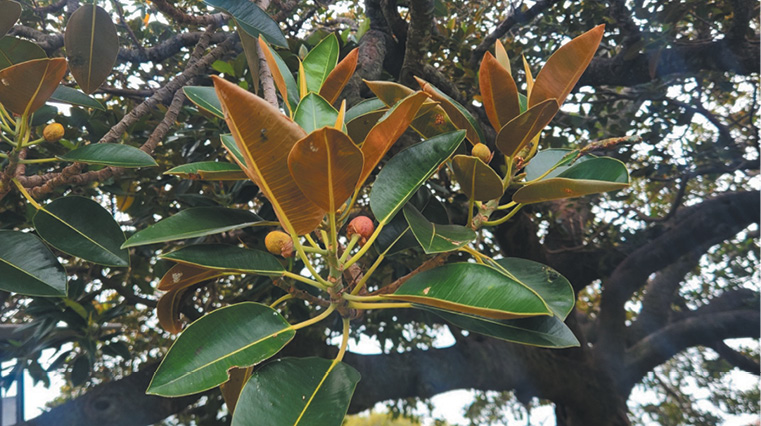
We should all know the Moreton Bay fig around here. Big tree, big roots, small fruit, often strung up in fairy lights. As you might guess from the name, they are native to the eastern coast of Australia, including the Moreton Bay area. The scientific name is Ficus macrophylla, due to its big (macro) leaves (phylla) – though I can think of a number of other figs with just as big, if not bigger, leaves: the fiddle leaf fig, the dinner plate fig, even the rubber tree. But size is in the eye of the beholder, I suppose…
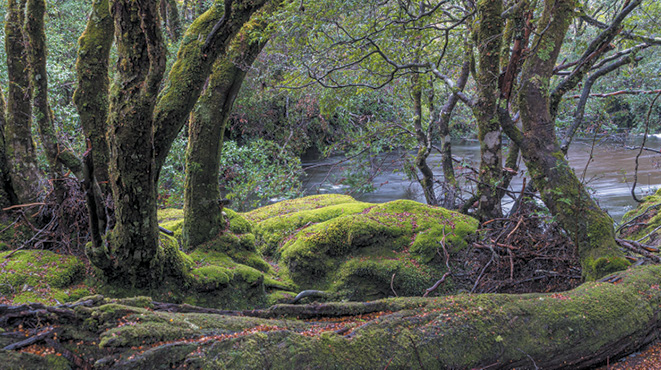
Moreton Bay figs are a type of strangler fig. Whilst our bayside specimens are planted in the ground, wild trees often start as seeds that germinate in the canopy of another tree. It lives as an epiphyte for a while until its aerial roots reach the ground. Once it hits soil, it grows rapidly, encasing or ‘strangling’ the original tree. The fig tree’s roots get bigger and bigger, spreading out around the main trunk. These are called buttress roots and give the usually shallow-rooted trees stability.
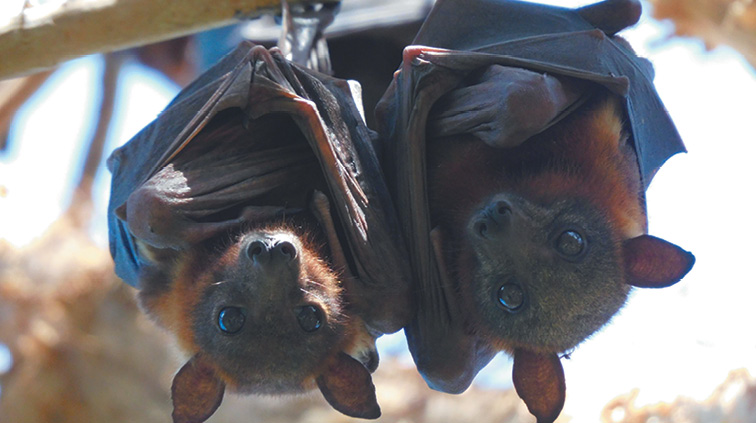
The small purple fruit is edible but dry (once again, just because you can, doesn’t mean you should). The flying foxes love them, as do a number of bird species. Like other figs, the flower is inverted – meaning the flowers bloom on the inside, making it tricky for pollinators to access. Handily, they have developed a mutual relationship with a wasp that crawls in to lay eggs, pollinating the flowers at the same time. Unfortunately for the wasp, it dies inside and is decomposed by enzymes and absorbed by the developing fruit. This plant/wasp situation exists across all wild figs, with each fig species pollinated by a unique wasp species. The figs can’t reproduce without the wasps, and the wasps can’t reproduce without the figs.
But never fear! The commercially produced figs we eat (Ficus carica) do not contain wasp remnants. Historical selection over the years has chosen not only tasty fruit but also self-pollinating varieties, which do not produce viable seed and must be propagated vegetatively (through cuttings). In addition to avoiding any additional wasp-based proteins in our diet, it also means edible figs can be grown outside the natural range of any particular wasp species. Personally, I have a very small ‘Brown Turkey’ fig tree in a pot – it doesn’t produce a lot of fruit, but the handful it does are so, so good picked on a warm sunny day and eaten right on the spot!