Photo: Supplied.
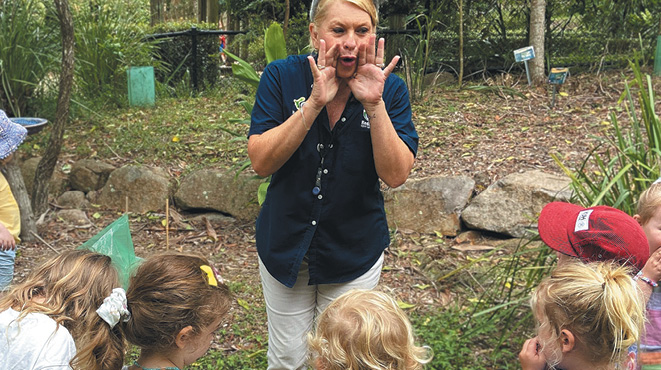
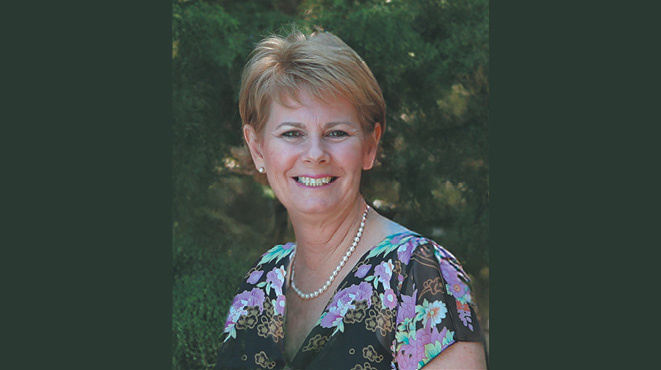
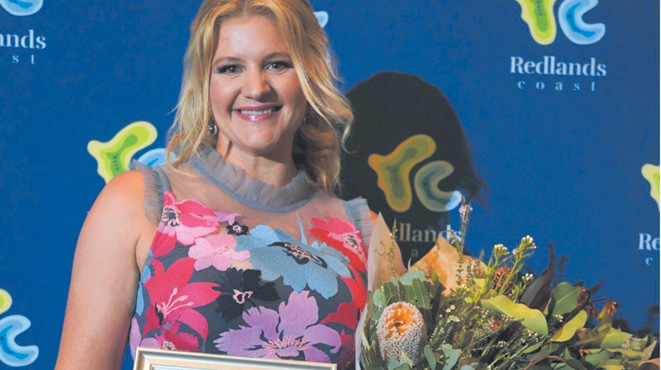
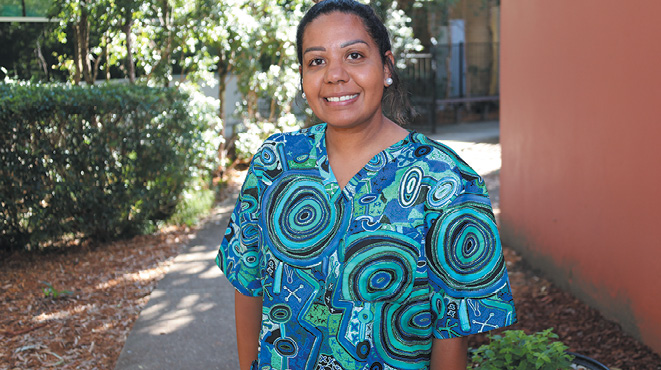
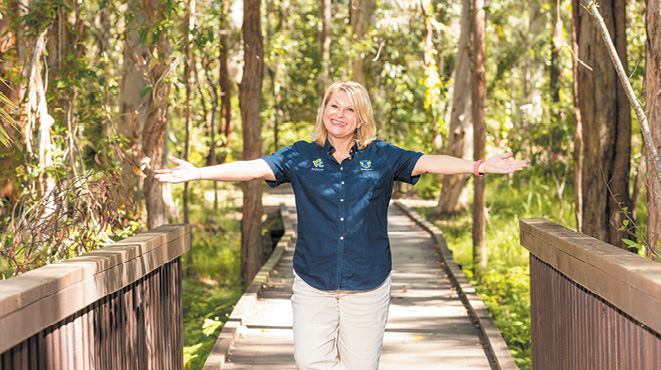
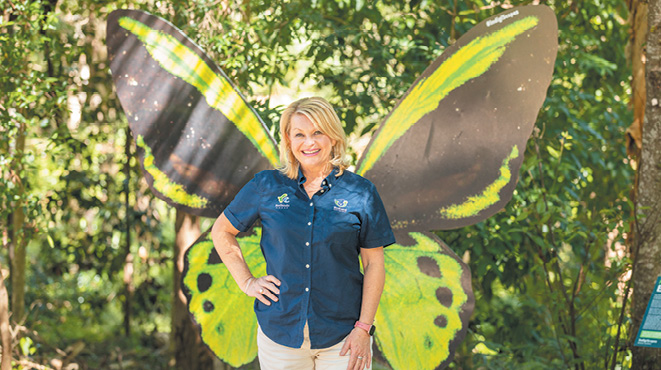
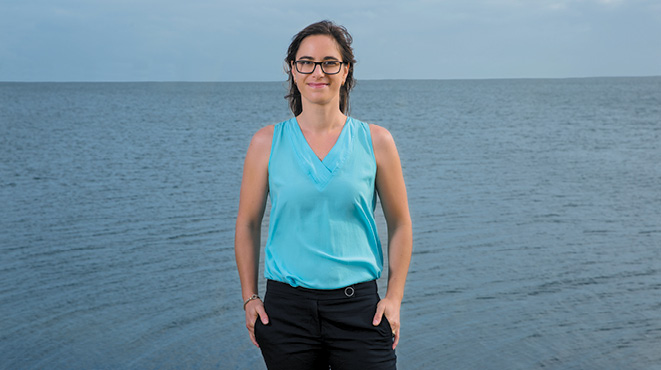
RANGER STACEY THOMSON IS PRINCIPAL ADVISER – COMMUNITY EDUCATION (REDLAND CITY COUNCIL)
I have known a few cockatoos in my time – these birds exude personality and pizzazz!
As a group, they’re charismatic and colourful characters of the bird world.
Of the 14 cockatoo species in Australia, the gregarious Galah and cheeky Sulphur-crested Cockatoo are familiar feathered friends.
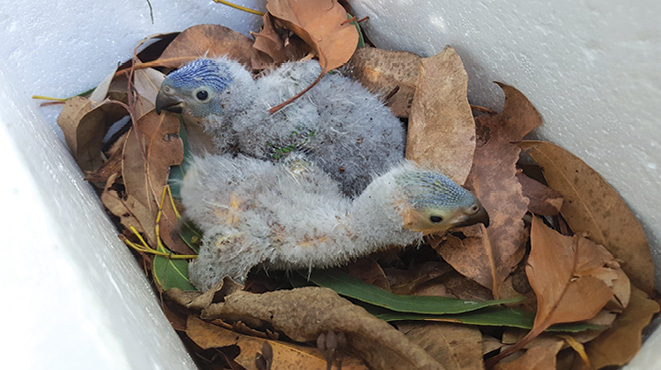
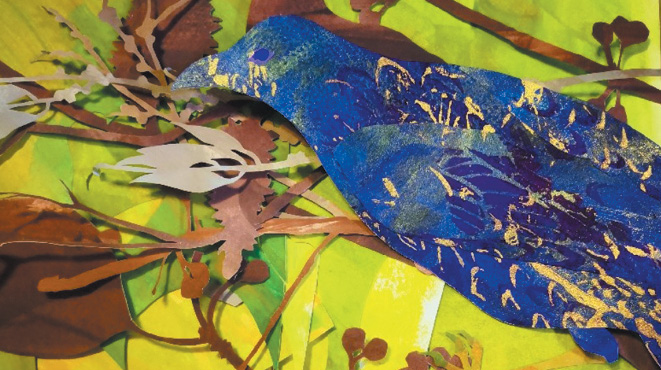
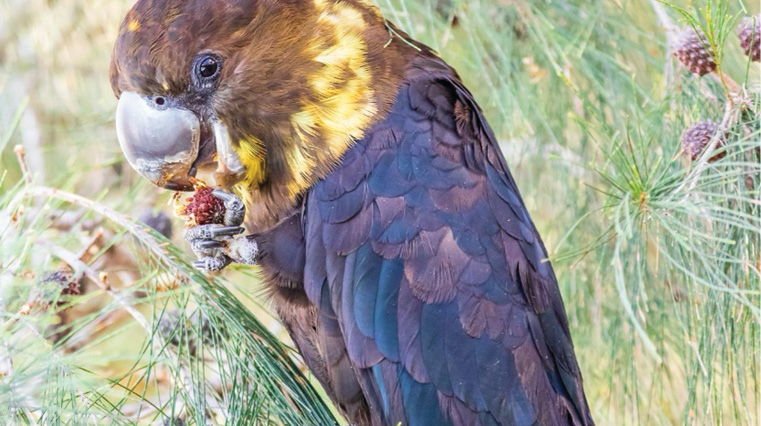
Perhaps not so well known is the Glossy Black-Cockatoo, a threatened species. Smaller in size than other black cockatoo species, it displays sexual dimorphism – the male and female have physical differences. Both have dusty black bodies, dark brown head feathers, and red/orange tail panels. The female has irregular yellow patches on the head and neck, and her tail panels are usually a more vibrant red with black bars.
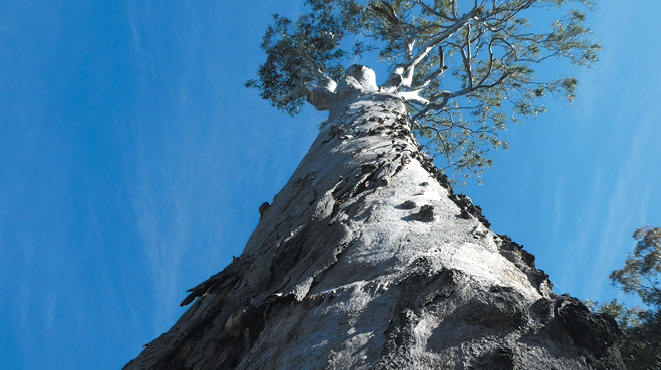
Redlands Coast is home to Glossy Blacks, primarily North Stradbroke Island (Minjerribah) and the Southern Moreton Bay Islands. They also nest and feed on the mainland, so whether it’s an island or mainland lifestyle, these Redlands Coast residents need three things for survival: suitable habitat (old growth trees with breeding hollows), access to fresh water, and food to satisfy a special appetite.
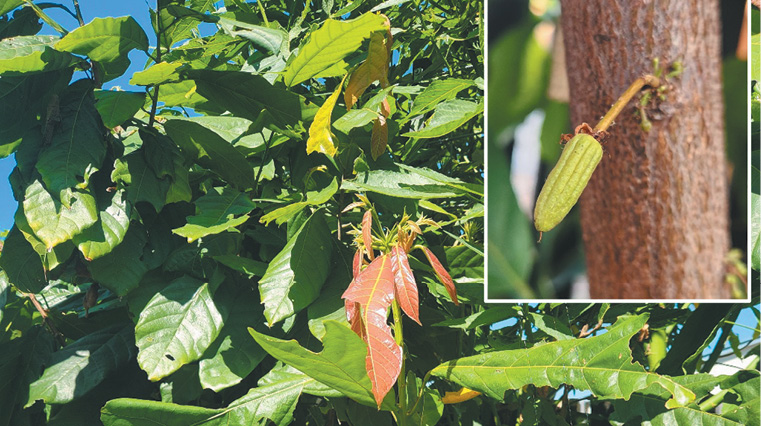
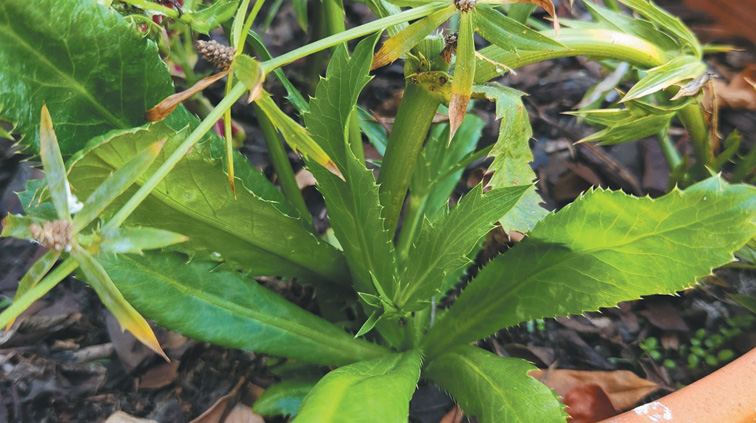
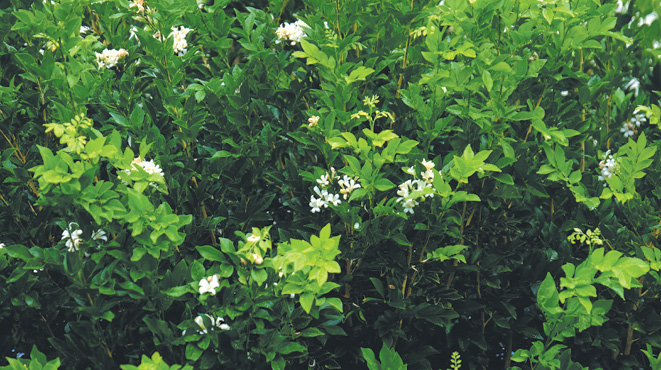
Glossy Blacks feed on the seeds of Allocasuarina littoralis (black she-oak) and Allocasuarina torulosa (forest she-oak). They love them! What I love is the way these birds open the woody cones that encase the seeds. They grasp the cone with a flexible foot, then crack it open with their strong, bulbous beak. Fragments of shattered cones called “orts” on the ground below are a fantastic clue that the birds have enjoyed a feast.
On 16 and 17 April, Redland City Council partnered with Glossy Black Conservancy for the Great Glossy Count. If you’d like to help collect data and increase our understanding of this precious species, you can register for survey participation and online training via the Glossy Black Conservancy website: glossyblack.org.au.
By planting Allocasuarinas on your property and preserving big old trees with hollows for breeding, you’re doing Glossy Black-Cockatoos a huge favour. Oh, and one more reason to admire them – they’re monogamous. A pair will only produce one egg every one to two years, and while the female incubates the egg, her partner gathers food and feeds her.
Now that’s commitment! Until next time … Stay Wild!
Ranger Stacey