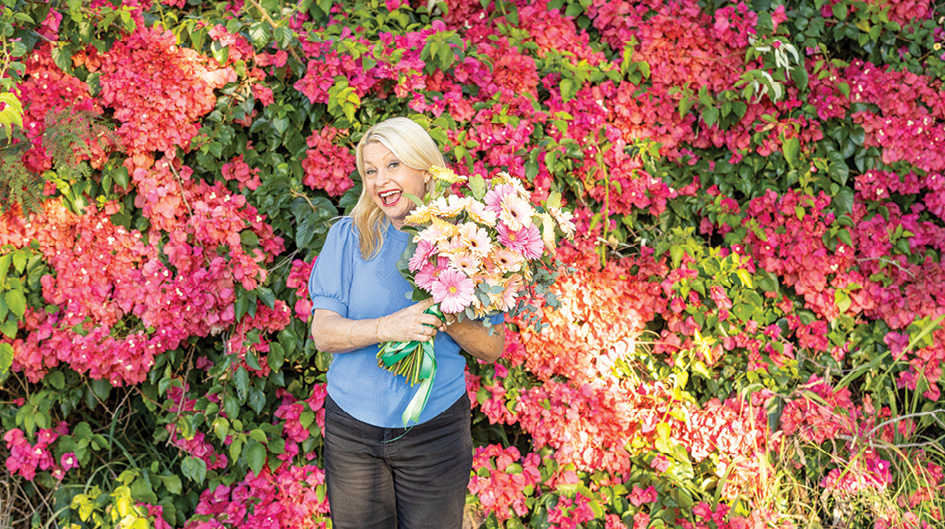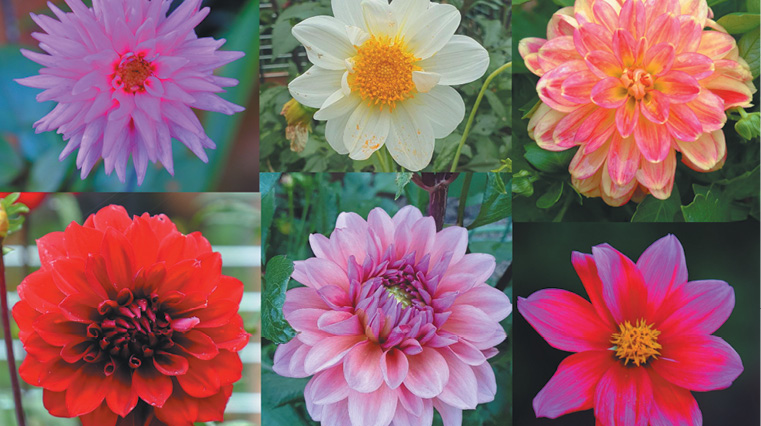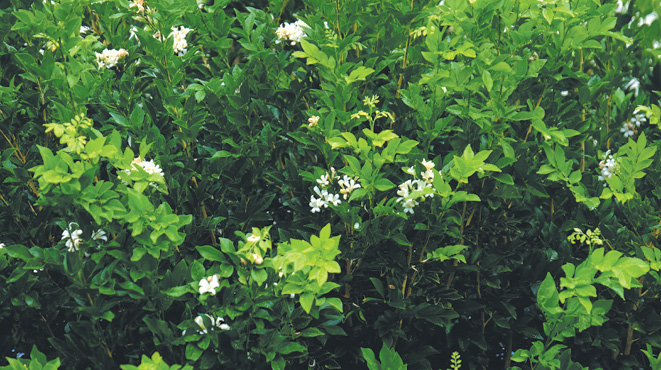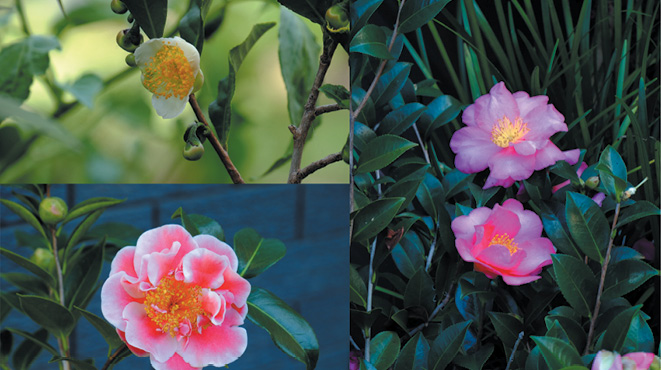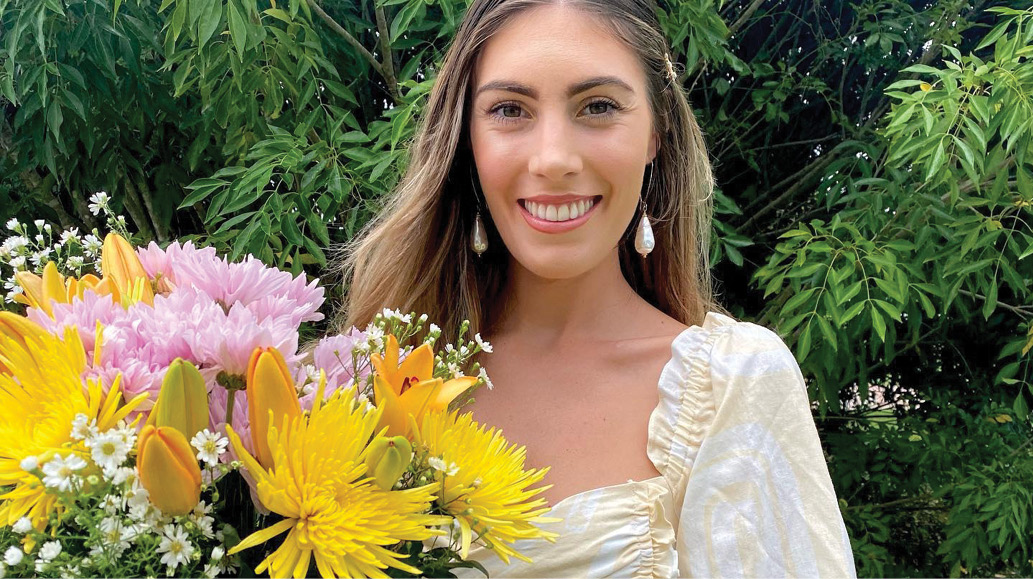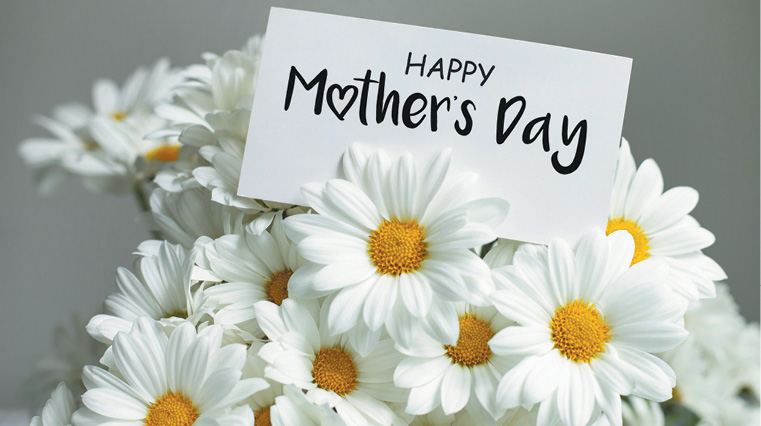
White chrysanthemums have become the traditional floral tribute for Mother’s Day.
BY JAN NARY
Mother’s Day, ironically, grew out of women’s peace activism in the American Civil War, with Julia Ward Howe’s 1870 call for a “Mother’s Day for Peace” and her “Mother’s Day Proclamation” to protest against the death of sons in war.
In 1908 Anna Jarvis took moves to recognise her mother’s role as a community organiser who cared for soldiers on both sides of the Civil War and to honour women’s initiatives for peace and contributions to family and society. A national holiday – the second Sunday in May – was declared in 1914 by President Woodrow Wilson. Although Jarvis grew to regret the commercialisation and commodification of the day’s celebration and campaigned (unsuccessfully) to have the day cancelled, it’s hard to stop a movement that’s established in more than 100 countries worldwide.
Mother’s Day in Australia was started by Janet Heyden in 1924. Visiting a friend in a hospital for “infirm and destitute women” triggered a concern for the women, many of whom had lost husbands and sons to war. She campaigned successfully for businesses and schools to donate gifts to the women.
That has grown into a date-keeper on our national calendar, along with the commercialism that so distressed its founder; Mother’s Day has grown into a billion-dollar industry in Australia. More importantly, it’s a day when families focus on the woman who gave them Mother’s Day: Mum.
One of the earliest forms of mother appreciation was the worship of the Titan goddess Rhea, who concealed the birth of her sixth-born (who happened to be Zeus, future CEO of Olympus) from her husband Kronos. An understandable precaution, since Kronos had swallowed their first five children. Her festivals were riotous, rowdy and ecstatic.
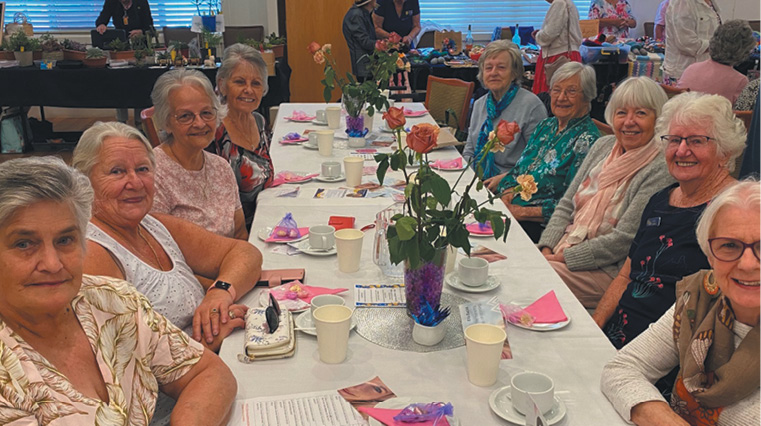
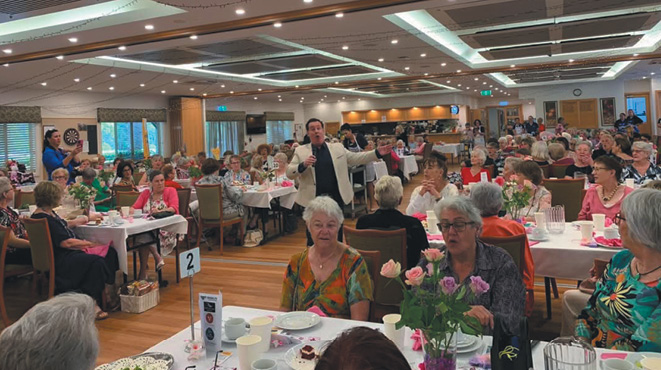
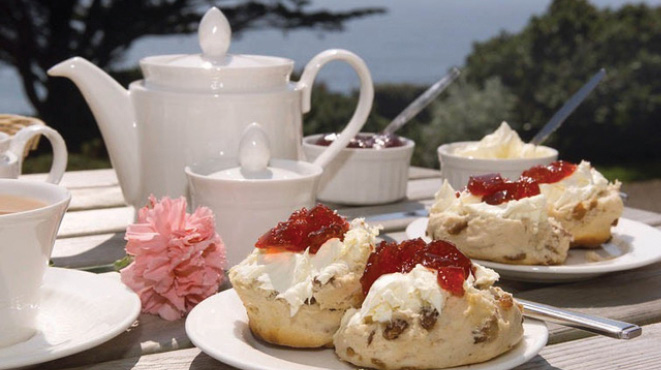
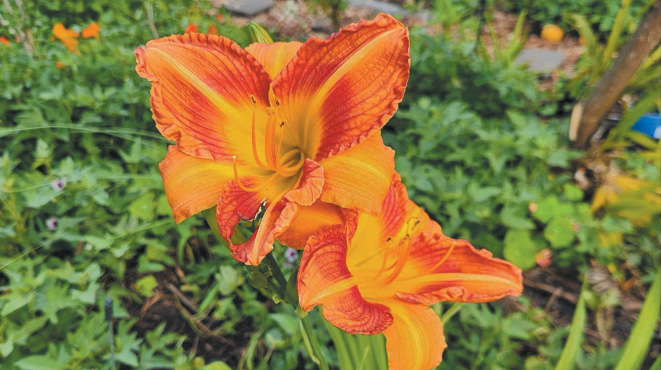
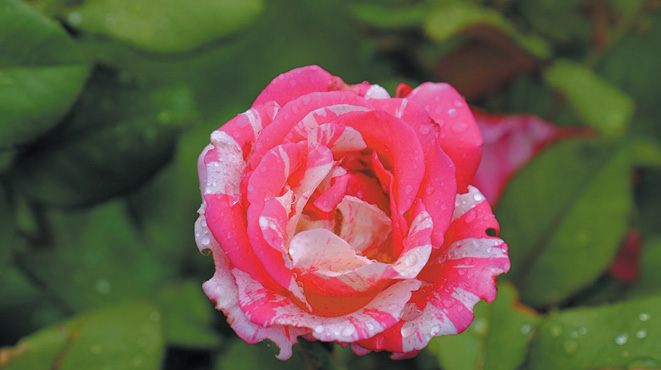
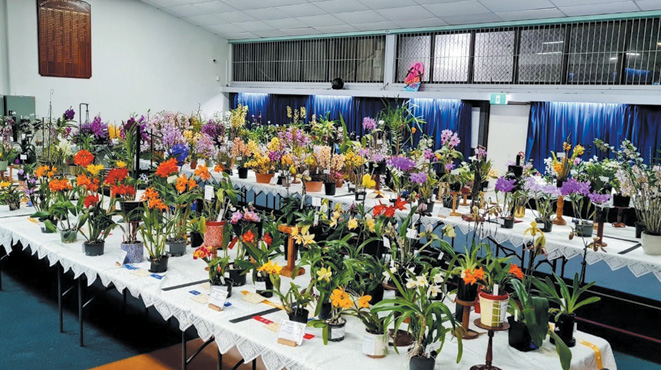
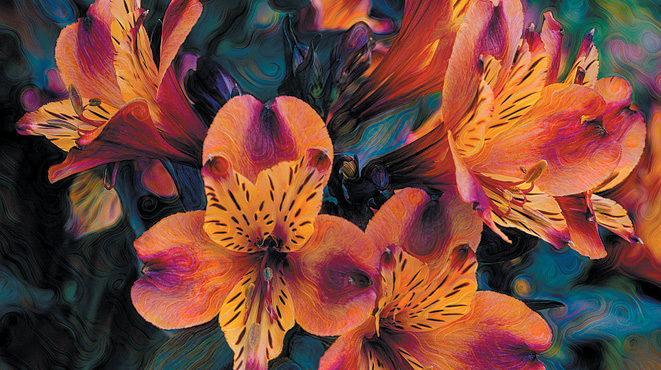
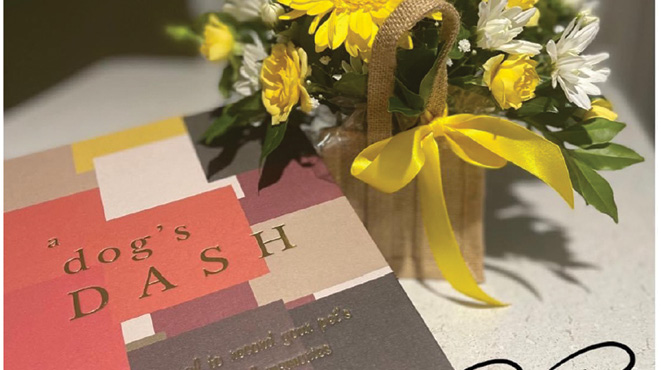
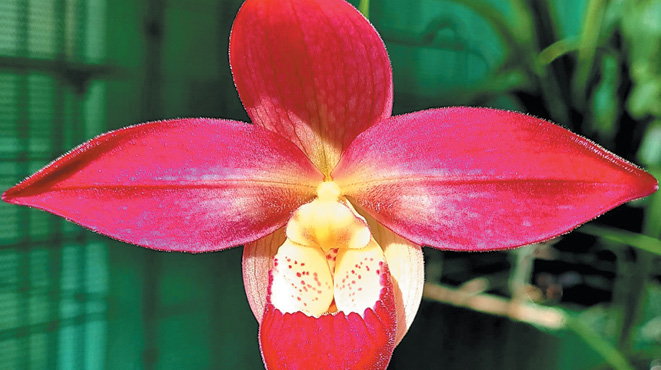
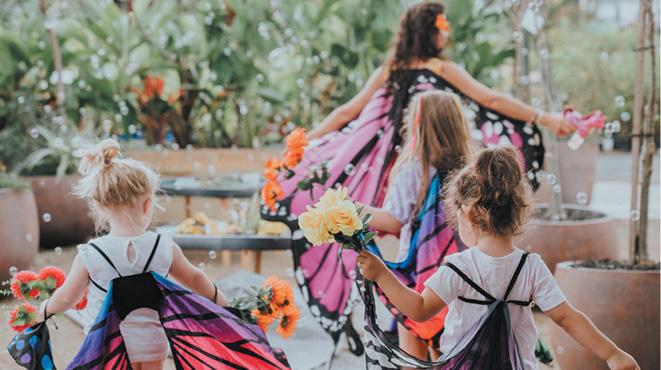
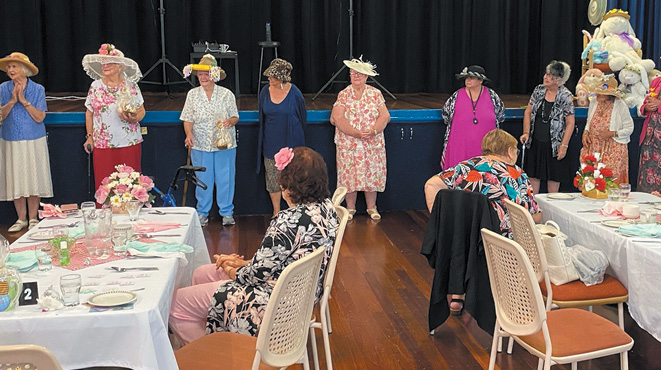
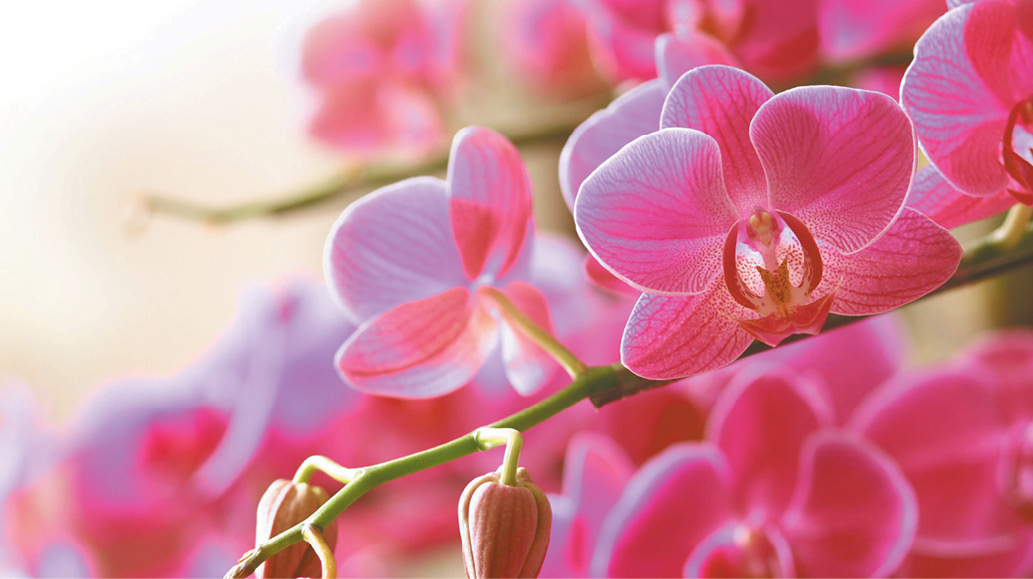
Customs and celebratory rites have calmed down somewhat since then and we’re more likely to celebrate Mother’s Day with breakfast in bed, gifts, special luncheons and flowers. White chrysanthemums have become the traditional floral tribute; in the Victorian language of flowers they represent loyalty, honesty and devoted love – but on the darker side some cultures choose them for funerals and gravesites.