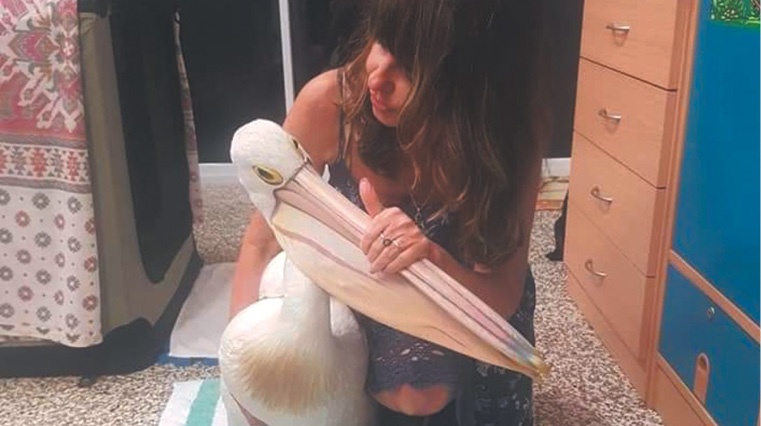
Photo: Supplied.
BY ADELIA BERRIDGE
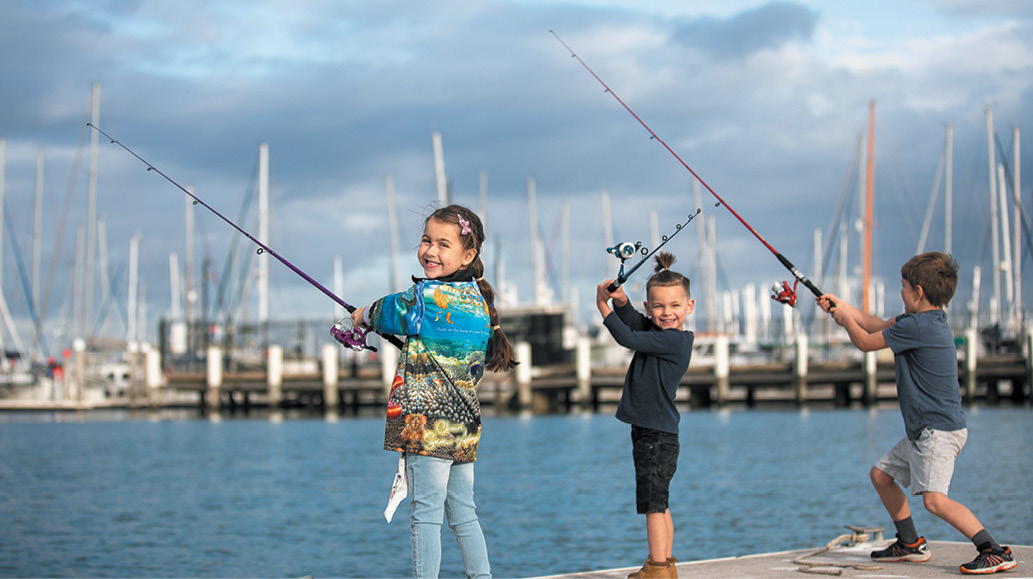
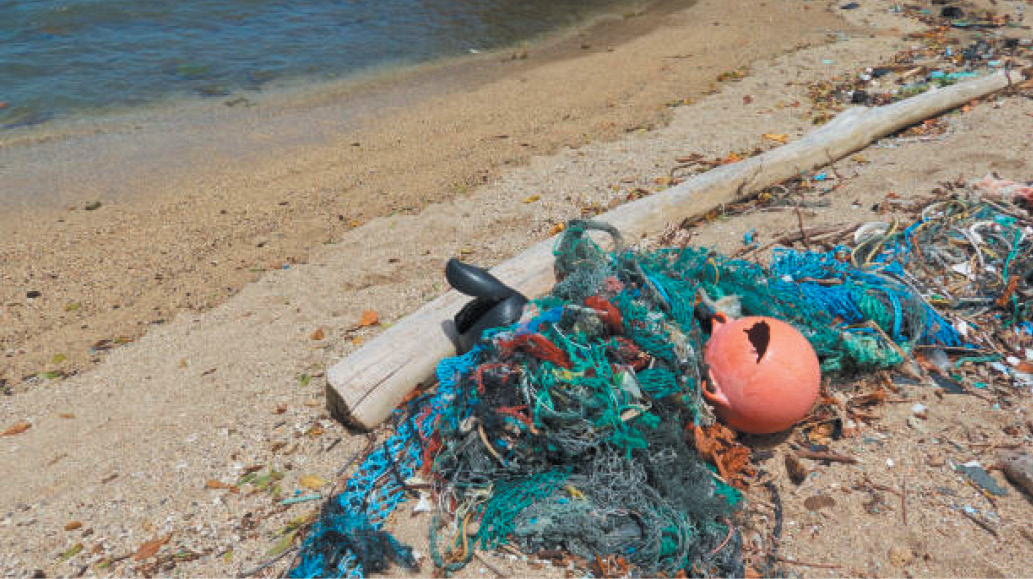
The plea went out in 2021: If anglers could put their thinking caps on and become more responsible with their active and derelict fishing lines, there would be less need for these rescues, but nothing has changed. It’s only got worse.
The RSPCA has often called upon the help of the Thorneside-based Pelican and Seabird Rescue (PSBR), noting their gratitude for the release of two Darter Birds in 2021, who were caught up in old fishing nets.
There’s little worse for a Darter Bird than getting their beak caught up in netting, and it’s an all-too-common occurrence for our seabirds.
A trapped beak means a far more vulnerable position to be in, and of course, no access to food. Sadly, many seabirds who become entangled like this will die from starvation if they don’t receive human intervention.
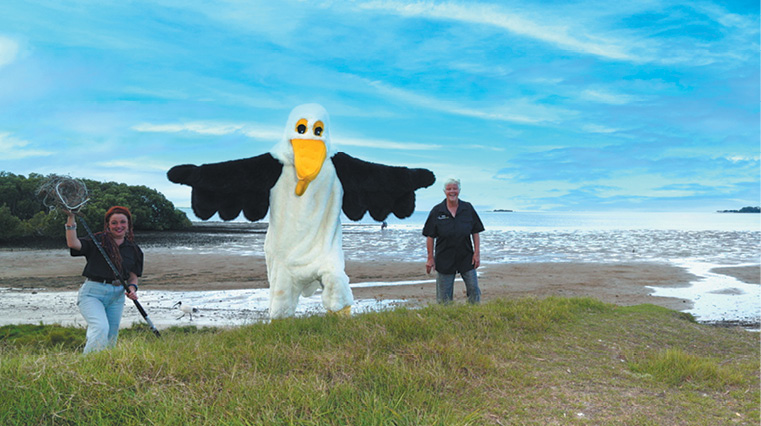
Thankfully, with the help of Hammy, from Pelican and Seabird Rescue, the RSPCA was able to capture two tangled Darter Birds, free them of their netting and even release one of the two straight away.
The second was taken into PSBR’s care at Thorneside before being fit for release. While these rescues were not recent, it’s an almost daily occurrence: calls to rescue birds, often entangled in fishing lines, or call-outs for hooks in beaks or stomachs with lines attached.
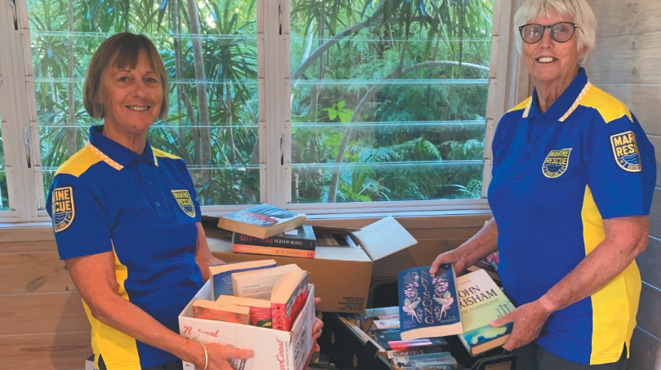
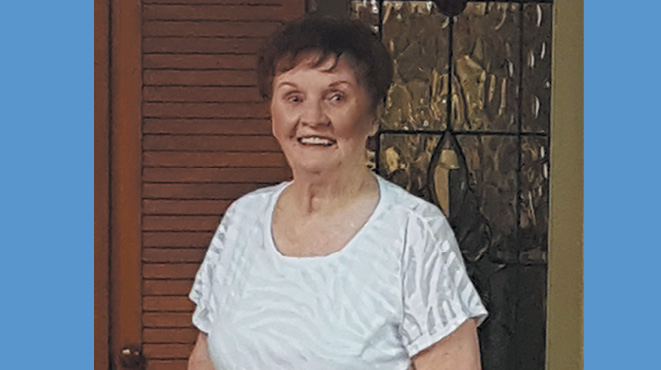
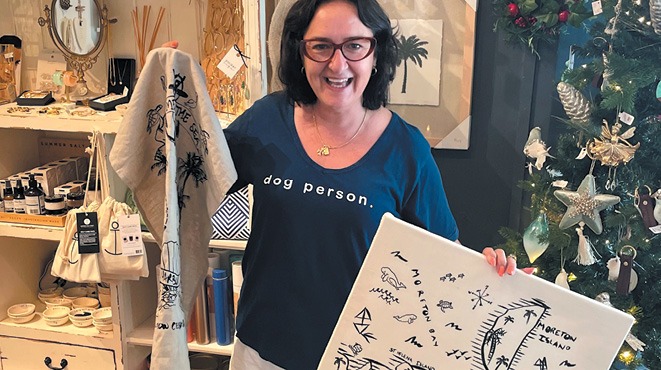
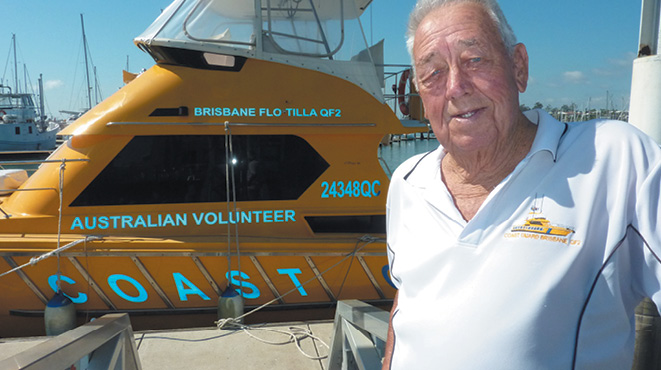
The late Hammy founded PSBR after witnessing a pelican trapped in a fishing line during a camping trip in Moreton Bay. She and her friend Sally eventually rescued the bird, inspiring them to educate others about responsible fishing. That camping trip changed both their lives.
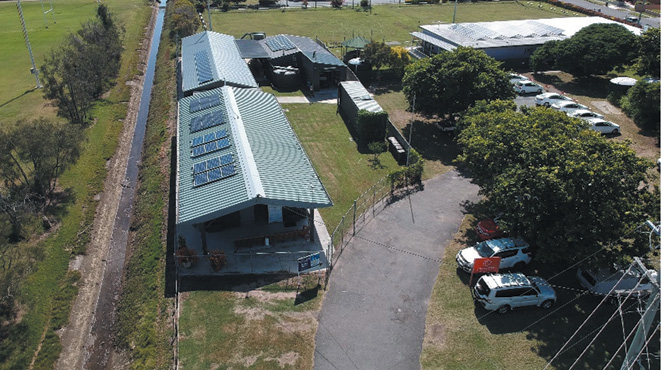
PSBR now handles a growing number of rescues, caring for sick and injured birds around the clock with limited resources and fundraising. Volunteers are needed for tasks ranging from animal care to managing paperwork and social media.
RSPCA Queensland and Wildcare Australia provide vital support. You can report any sick or injured animals to the 24/7 RSPCA emergency line at 1300 ANIMAL (1300 264 625).