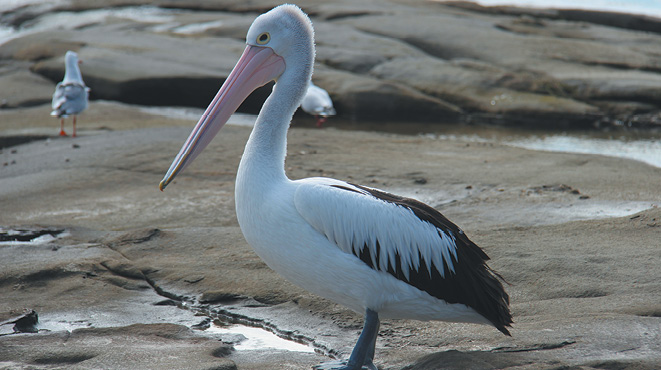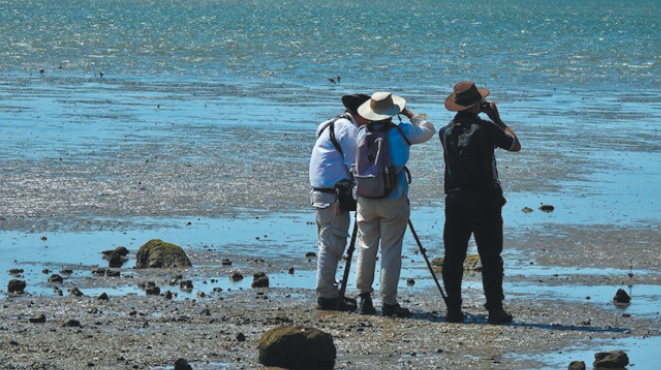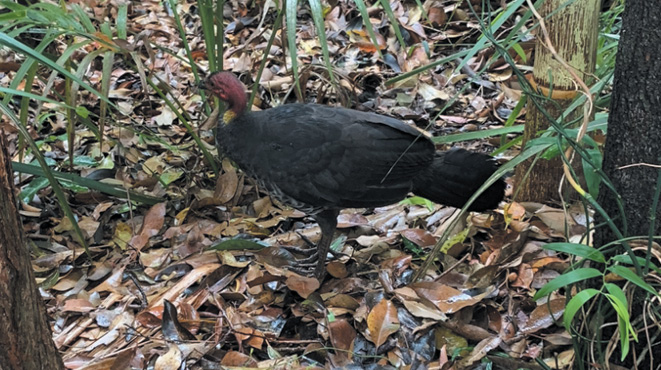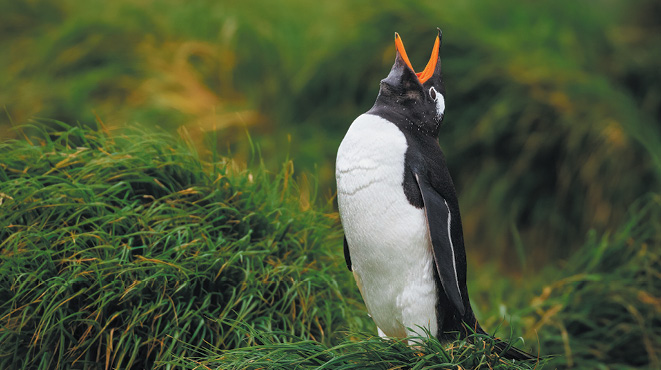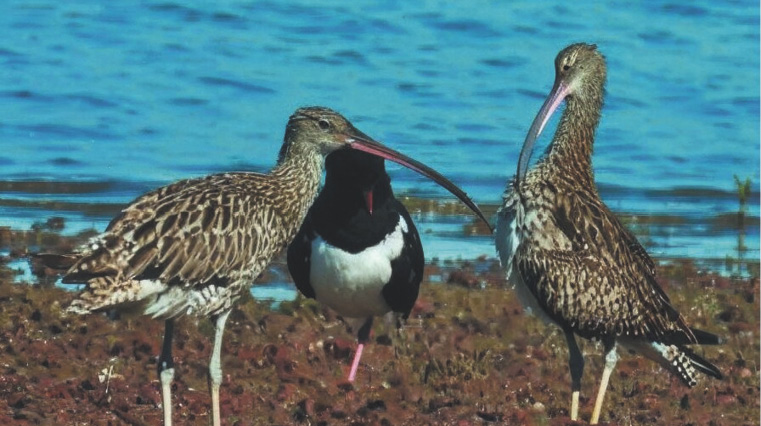
Eastern Curlews, Bar tailed Godwits. Photos by Una Sandeman.
BY UNA SANDEMAN
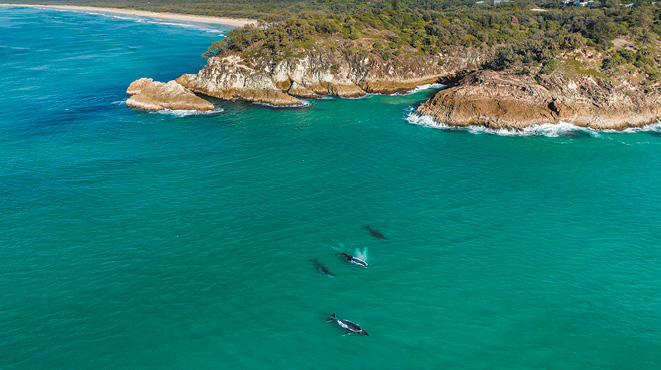
For thousands of years, the coastline stretching from Wynnum to Manly and across the Redlands has been one of the most important feeding grounds for migratory shorebirds in Australia. Each year, these remarkable birds arrive on our shores after travelling thousands of kilometres from breeding grounds in the northern hemisphere, escaping the Arctic winter to spend the southern summer feeding and resting around the rich tidal flats of Moreton Bay.
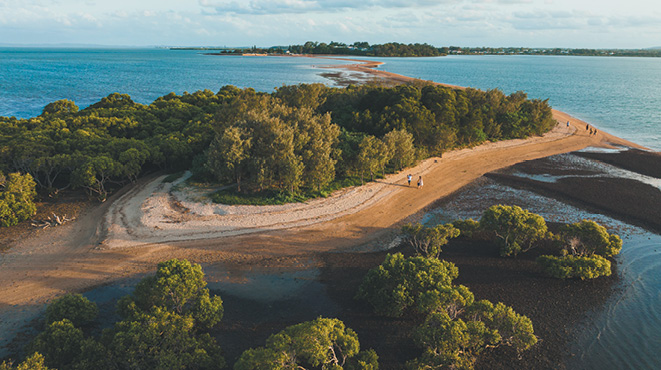
For the last eight months, these birds have been quietly preparing for one of the greatest migrations on Earth. Day after day, they feed across the mudflats, mangroves and sandbanks of our bayside coastline, building the critical body fat reserves needed for their long flight north. Since March, most of them have left our shores and taken the extraordinary journey back to countries such as the Arctic and Subarctic Russia, Alaska, China, and Mongolia, where they will breed during the short Arctic summer.
The bayside coastline is far more than just a resting place. It is a vital refuelling station along the East Asian-Australasian Flyway, one of the world’s great migratory bird routes. Without healthy feeding grounds here, many of these birds simply would not survive the return journey.
What makes this coastline so important is the rich mud found across the intertidal areas of Moreton Bay. While mud may not look particularly appealing to us, for migratory shorebirds, it is a banquet table filled with life. Beneath the surface are prawns, tiny fish, worms, molluscs, shellfish and countless microscopic organisms packed with nutrients and energy. Every low tide becomes a feeding frenzy as birds probe the soft mud with specially adapted bills, searching for food to fuel their migration.
Species such as the Bar-tailed Godwit, Eastern Curlew, Grey-tailed Tattler and Great Knot rely heavily on these feeding grounds. Some, like the Bar-tailed Godwit, are capable of flying more than 11,000 kilometres nonstop – one of the longest known migrations of any bird on the planet. To achieve this incredible feat, they must almost double their body weight before departure.
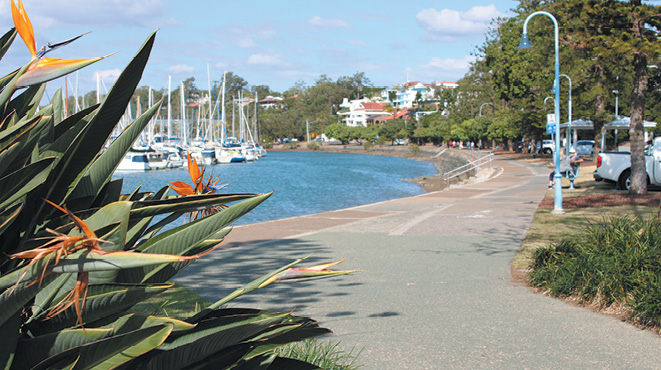
Many local residents may not even realise these birds are here, quietly feeding along the shoreline while people walk dogs, fish, kayak or enjoy the waterfront. Yet these birds are internationally significant. The shores of Moreton Bay support tens of thousands of migratory shorebirds every year and are recognised as wetlands of global importance.
Sadly, these birds face growing threats. Habitat loss through coastal development, disturbance from people and dogs, pollution and climate change are all placing enormous pressure on migratory shorebird populations. Some species visiting our bayside coastline are now listed as critically endangered, with numbers declining dramatically across the flyway.
That is why protecting the Wynnum, Manly and Redlands coastline is so important. Healthy tidal flats, mangroves and coastal wetlands are essential not only for shorebirds but for the overall health of Moreton Bay itself. These habitats support fish nurseries, improve water quality and provide resilience against storms and erosion.
There is also something deeply inspiring about knowing that these birds (some of which can fit in the palm of your hand) connect our local coastline to the farthest reaches of the planet. A bird feeding quietly at Wellington Point in April may now be flying over oceans and continents on its way to the Arctic tundra. Their survival depends on every stop along that journey remaining healthy and protected.
With the southern-to-northern migration season over once again, the shores of our bayside suburbs are part of a truly global story. The mudflats of Wynnum, Manly and the Redlands are not wastelands waiting to be developed – they are life-support systems for some of the world’s most extraordinary travellers. Protecting them means ensuring future generations will continue to witness the wonder of migratory shorebirds returning to our shores year after year.
Migratory shorebirds are not only vital to healthy ecosystems, but they also bring enormous potential economic value through eco-tourism. Around the world, birdwatchers and nature lovers travel great distances – often spending significant amounts on accommodation, dining, tours, and local businesses – simply to witness spectacular wildlife events such as shorebird migrations. The presence of internationally significant migratory birds along the Wynnum, Manly and Redlands coastline creates a unique opportunity for sustainable eco-tourism that celebrates nature while supporting the local economy. Protecting these habitats not only safeguards wildlife but also helps build a future in which people can experience the beauty and wonder of Moreton Bay’s incredible birdlife.
If you would like to know more about these amazing migratory shorebirds and join activities such as monthly shorebird counts, check out the Queensland Wader Study Group website.