Photo: Supplied.
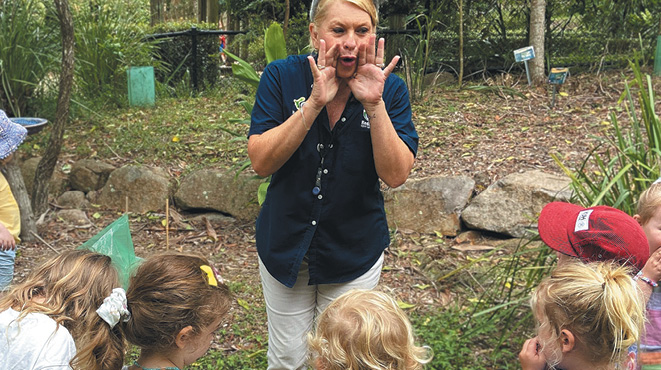
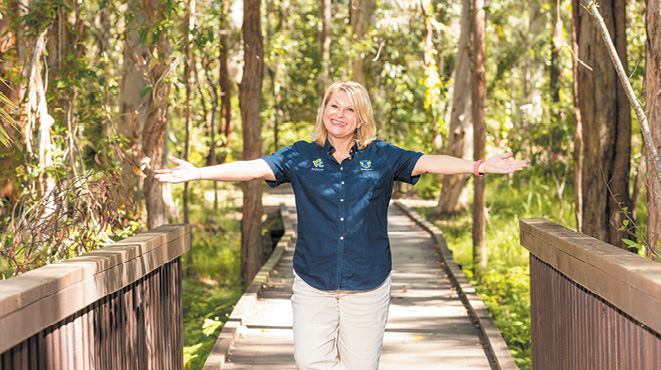
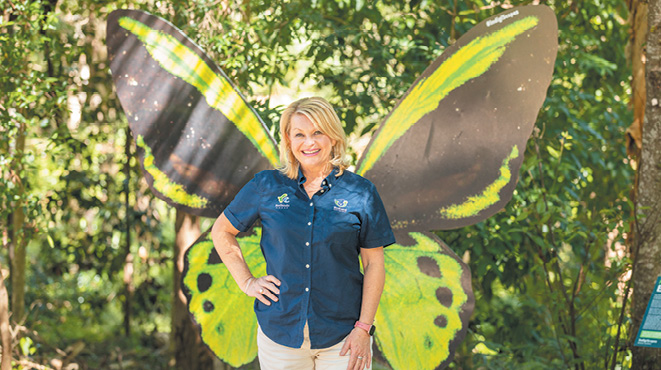
RANGER STACEY THOMSON IS PRINCIPAL ADVISER – COMMUNITY EDUCATION (REDLAND CITY COUNCIL)
When it’s cold and gloomy, wouldn’t it be lovely to curl up inside a sleepy hollow?
Well, the answer to that random question is a resounding yes, especially if you’re a greater glider!
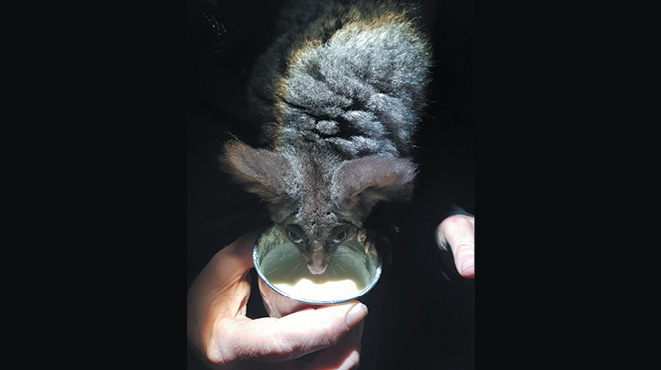
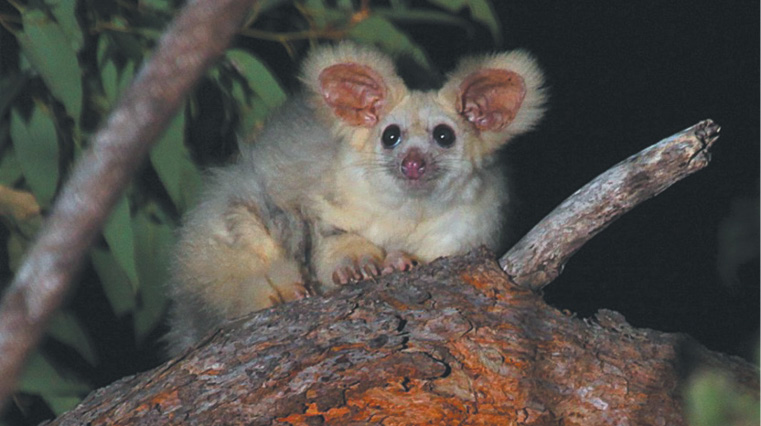
This month, I’ve decided to shine the spotlight on Australia’s largest gliding possum. In fact, my first job fresh out of ‘Ranger College’ was at Main Range National Park. One of my favourite things (way better than cleaning campground toilets) was guiding visitors through the forest at night in search of greater gliders. I would aim the spotlight into the canopy, hoping to capture their distinctive white eye shine.
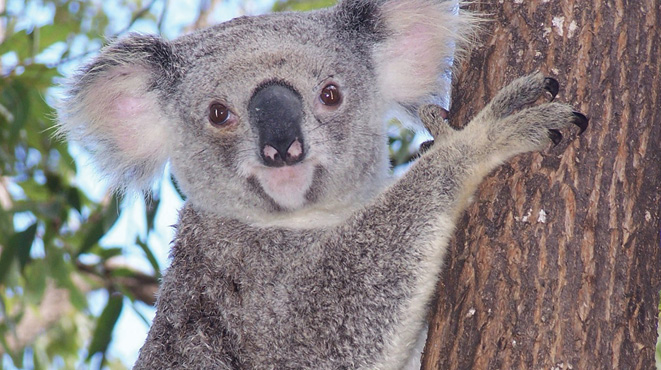
And wow, what a spectacular sight! Greater gliders have big ears that kind of remind me of Yoda from Star Wars, except cuter and fluffier. The patagium or gliding membrane is what makes gliders unique – a thin piece of skin that runs from the elbow to the ankle. Outstretched, it aerodynamically enables the glider to soar up to 100 metres from tree to tree. The magnificent, long, fluffy tail acts like a rudder, steering it in the right direction. Most landings are soft and successful, although occasionally it may be a little off-course or bumpy.
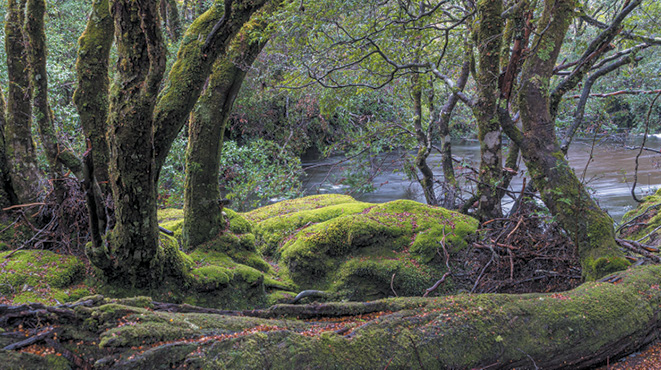
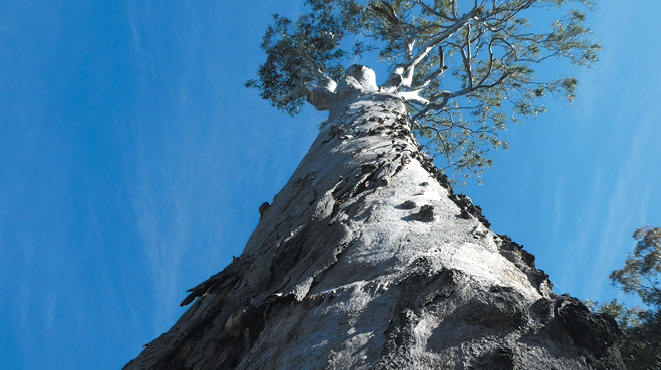
Greater gliders live on Redlands Coast but are rarely seen due to their arboreal existence, nocturnal lifestyle, and habitat requirements. Old-growth tree hollows are prime real estate for our wildlife. They have a one- to three-hectare home range where they use between six and 18 different hollows. A big old tree with a bunch of interconnecting hollows is the ultimate home sanctuary. Breeding season is the only time a normally solitary greater glider will share its space with another, and right now, many mums will be extra busy with a new joey in pouch!
These marsupials have a specialised diet of leaves from select eucalypt species. Greater gliders instinctively know what they need to survive and thrive, but life in the big, wide world can be challenging.
You can help protect these awesome animals:
- Preserve trees with hollows if you can, and plant native species.
- Remove barbed wire from fencing and keep pets under control.
- Report greater glider sightings to IndigiScapes.
- Report feral animal sightings at www.feralscan.org.au
Until next time … Stay Wild!
Ranger Stacey