Photo: Supplied.
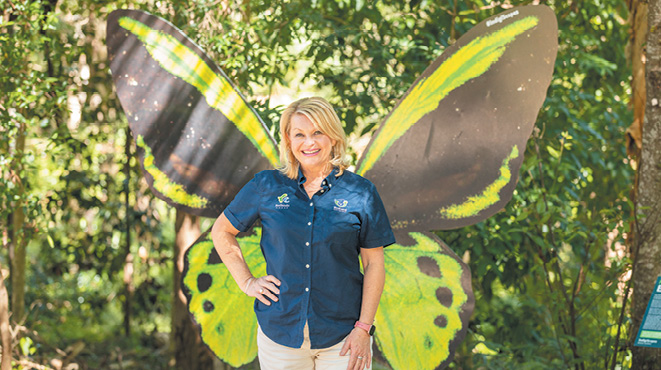
RANGER STACEY THOMSON IS PRINCIPAL ADVISER – COMMUNITY EDUCATION (REDLAND CITY COUNCIL)
If I could choose a wild soundtrack to accompany winter on Redlands Coast it would be a humpback whale underwater symphony.
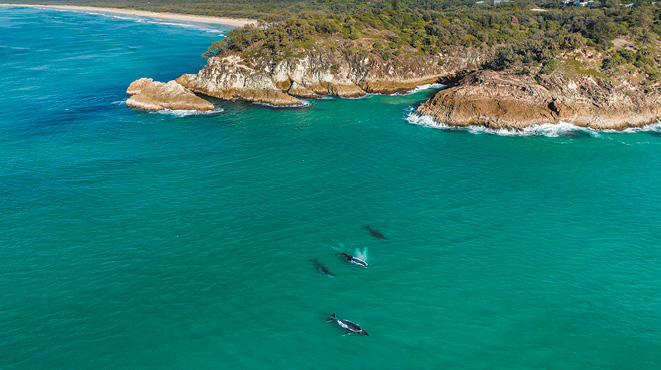
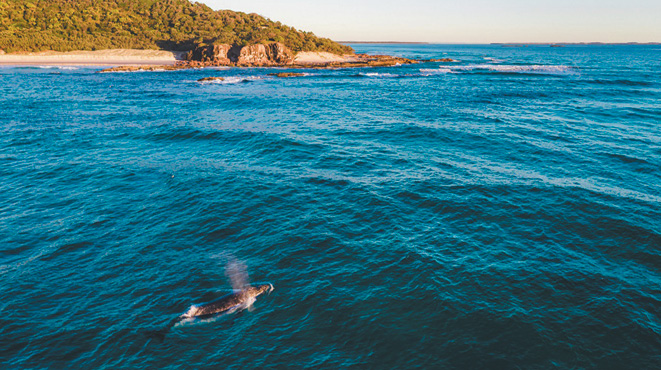
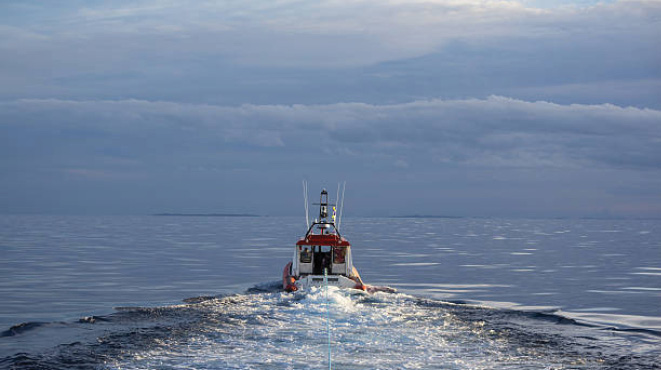
Right now, these majestic marine mammals are cruising north along the east coast of Australia. Their annual migration from Antarctica to warmer Queensland waters culminates with well-earned rest and reproduction, before they embark on their epic return journey.
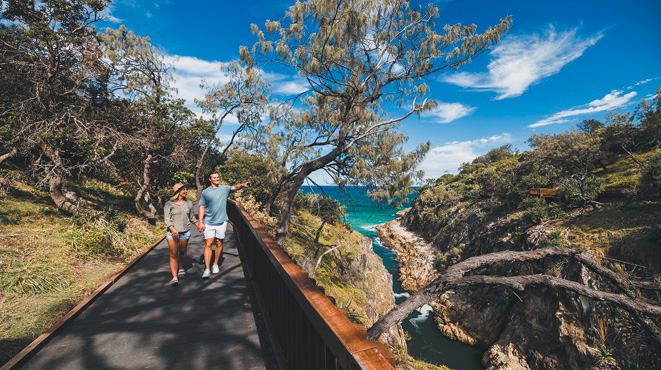
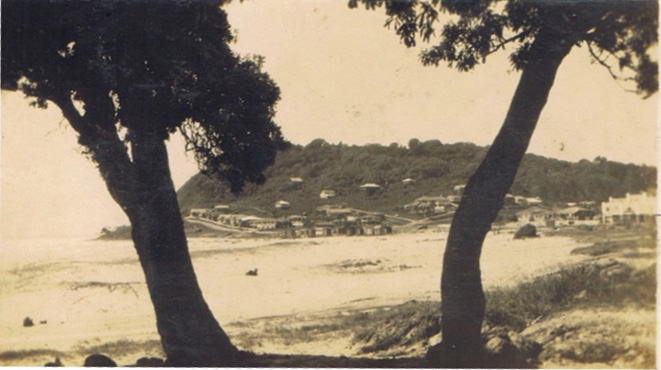
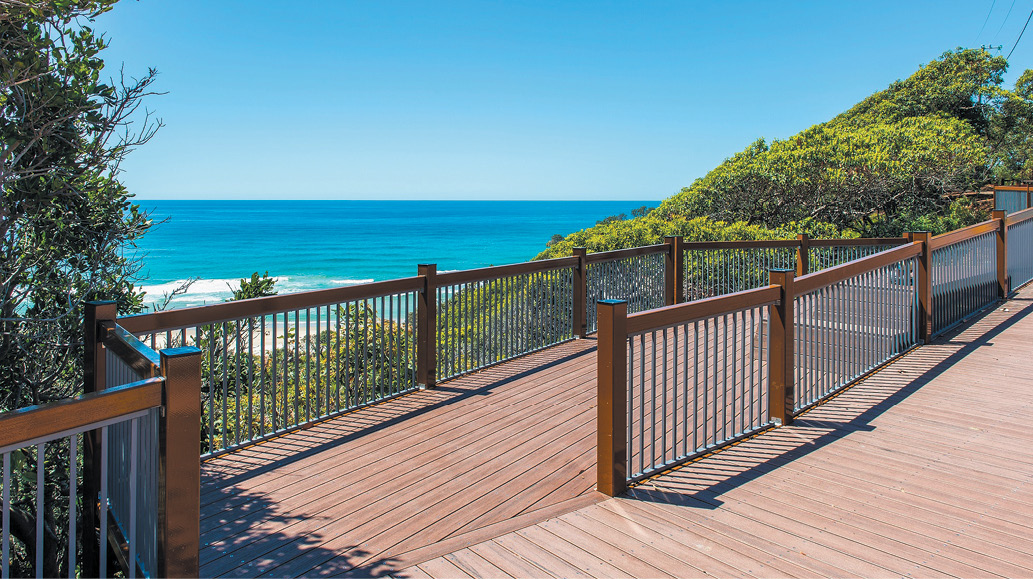
My tip for the ultimate whale watching experience is to perch on top of Point Lookout, one of the best land-based whale watching vantage points in Australia.
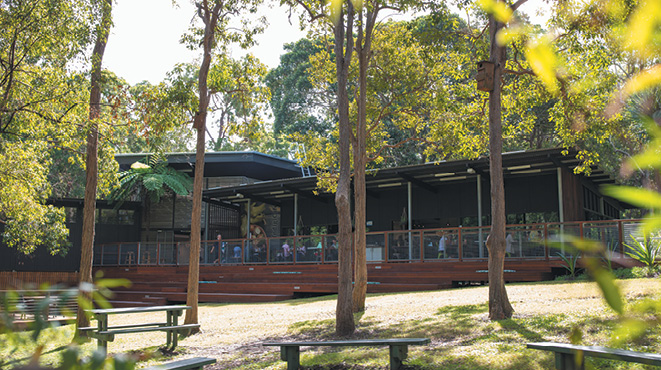
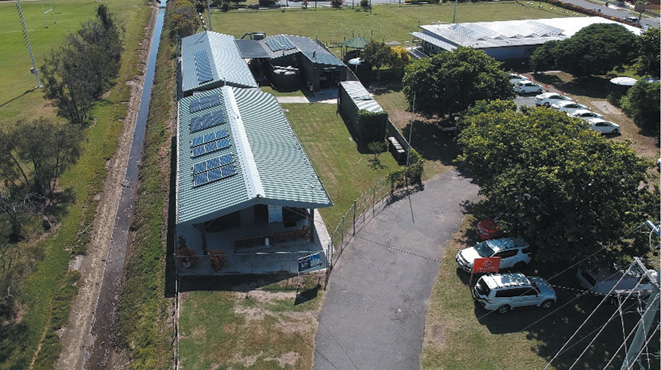
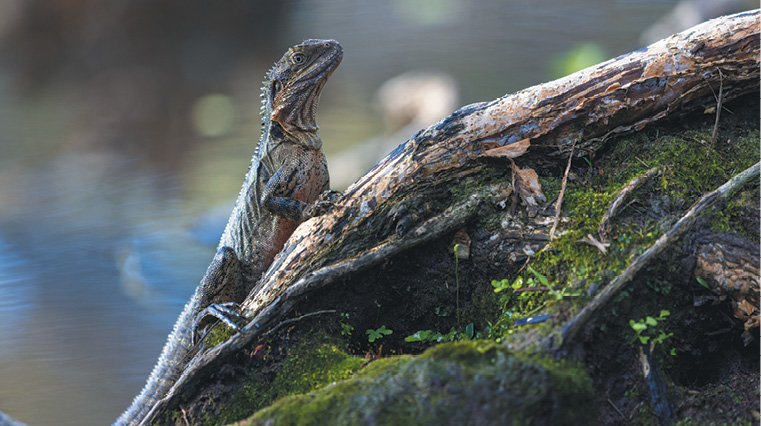
While energetic whales frolic their way through winter, our wild resident reptiles are feeling the chill, making them super sluggish. Normally, the grounds of Redlands IndigiScapes Centre are teeming with water dragon activity, but lately they’ve gone to ground seeking shelter in burrows or under rocks.
A dormant period called brumation is how many reptiles survive low temperatures and decreased daylight hours. Unlike hibernation, which involves deep sleep, cold-blooded creatures (ectotherms) conserve energy by significantly slowing down their heart rate, metabolism, and respiration.
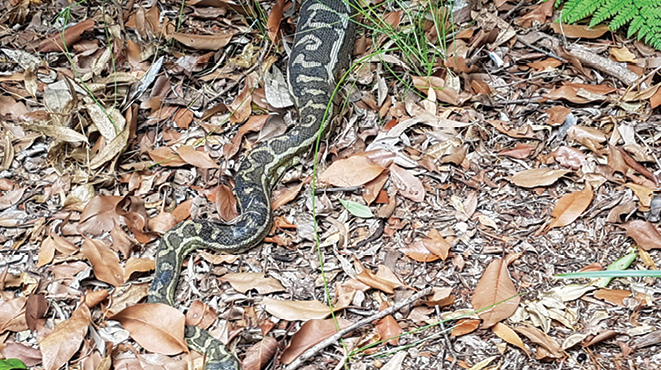
It’s why we don’t see as many snakes in winter. Grabbing a tasty meal isn’t even on their radar, as digestion requires a warm body temperature. In fact, a belly full of food in winter would likely rot, rather than be digested.
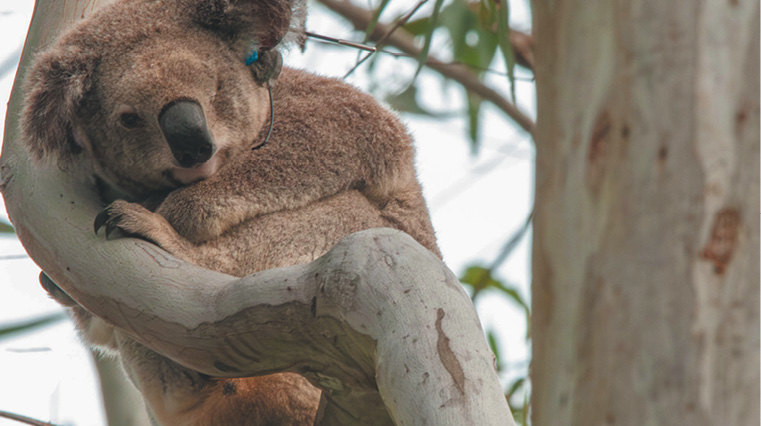
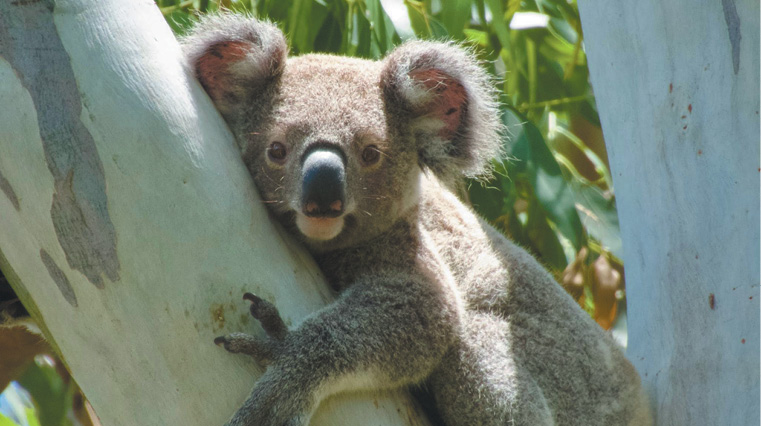
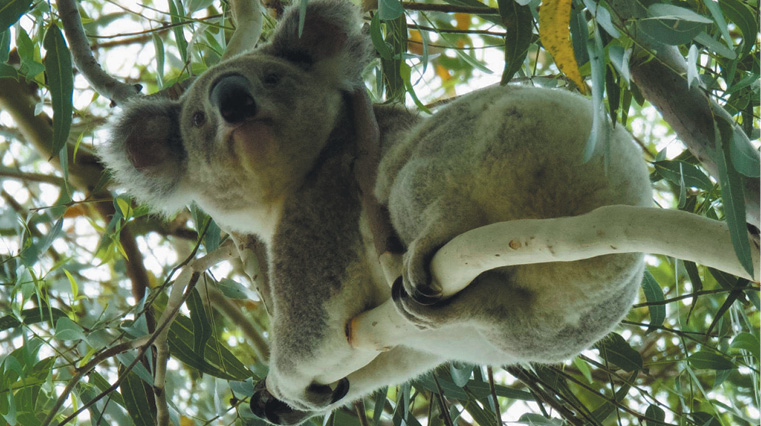
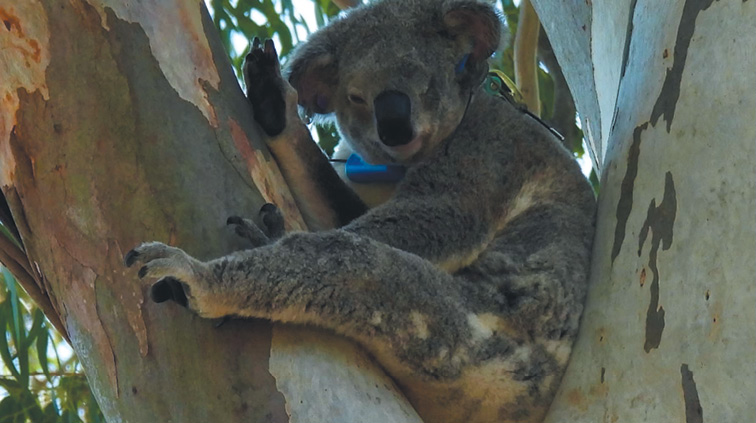
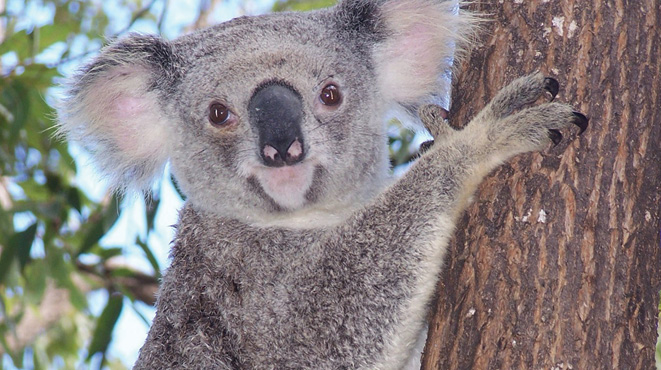
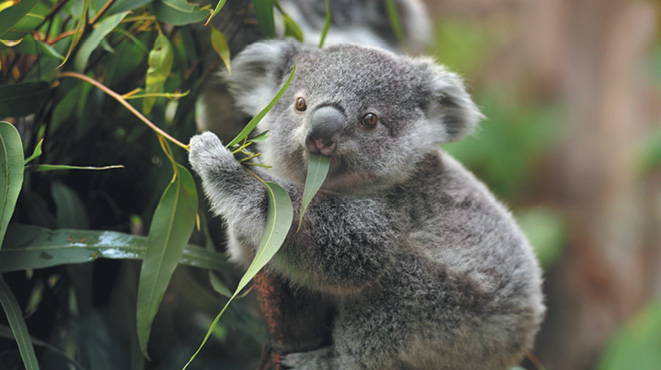
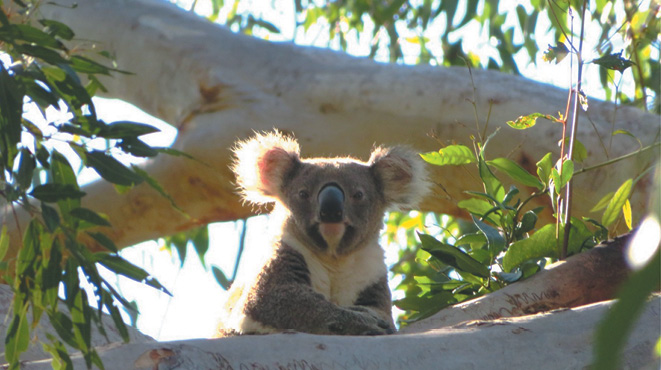
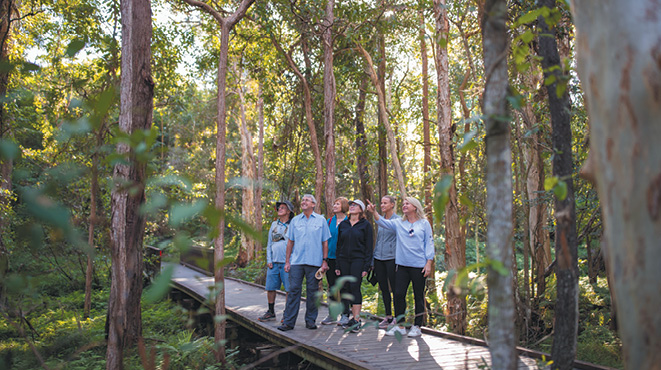
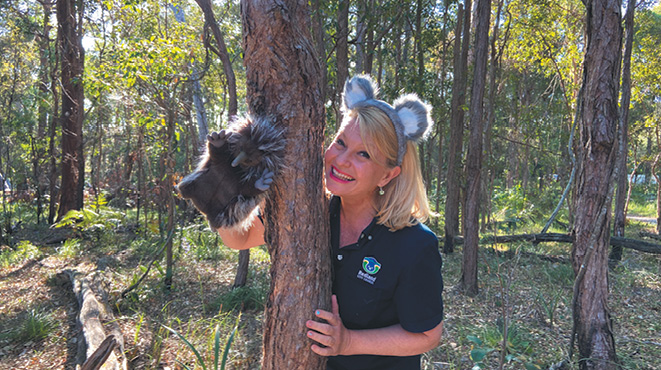
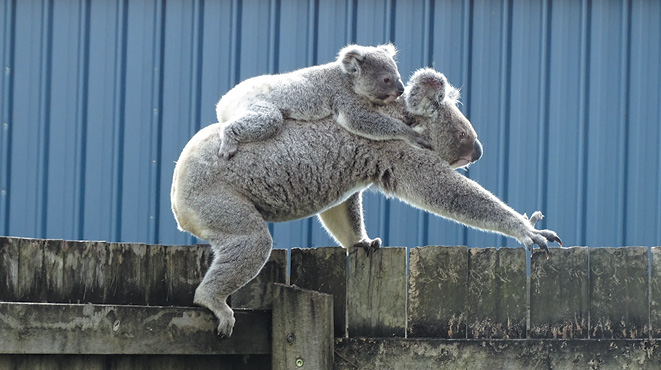
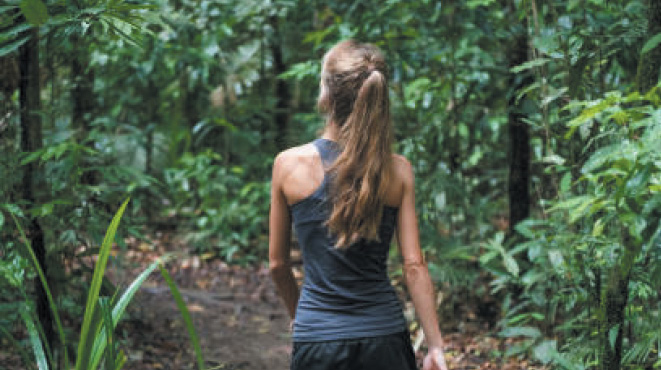
I love exploring nature on a crisp, fine day. And while encounters with reptiles and amphibians are rare right now, other native species such as koalas continue life as normal. A coat of insulated fur helps keep them warm, and they sleep in a hunched position to conserve heat.
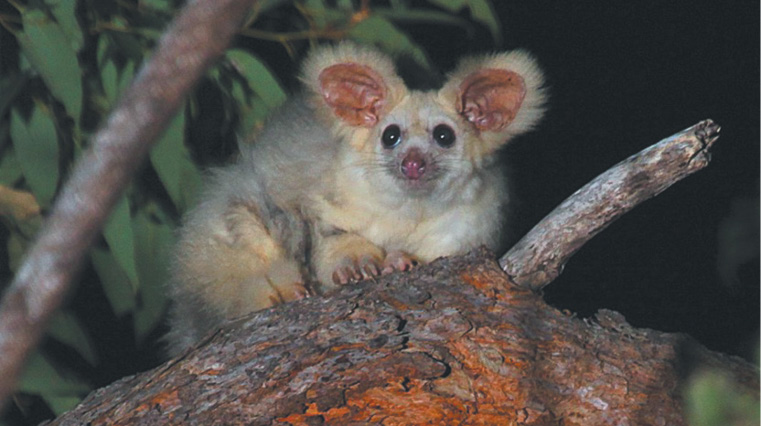
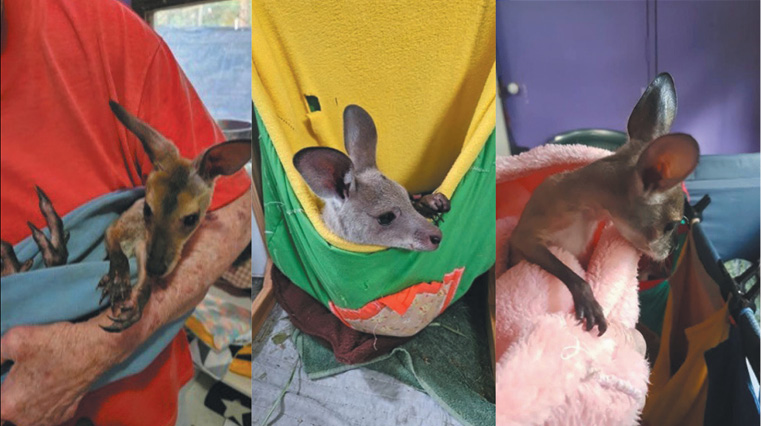
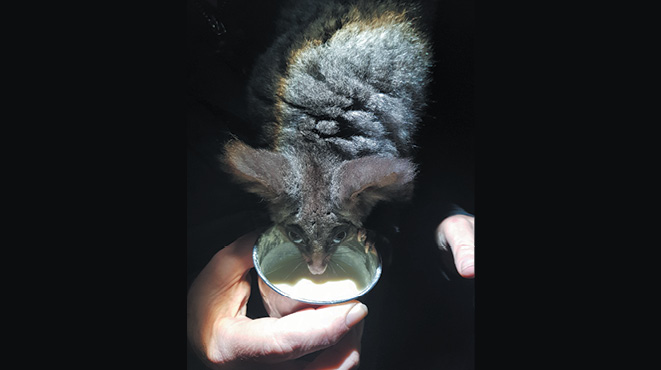
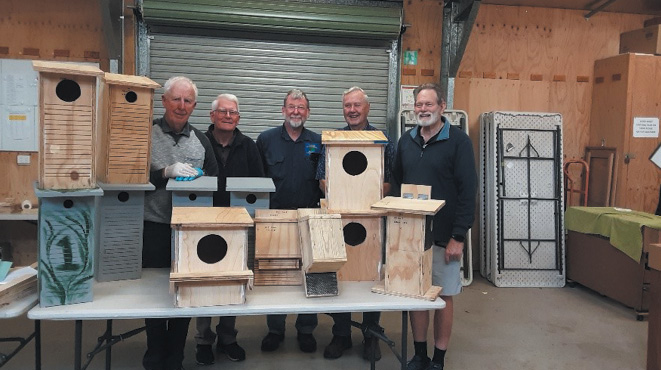
Possums and gliders prefer to cosy up through the day in a hollow, nest box, or drey. Your best chance to spot a wallaby is to venture outdoors around dawn or dusk. A wallaby’s coat provides natural protection from the elements, as well as camouflage.
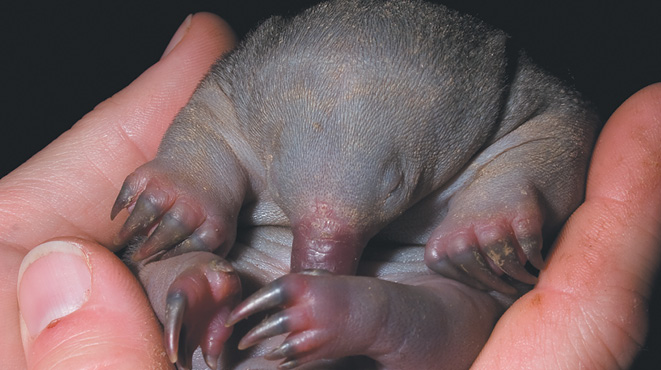
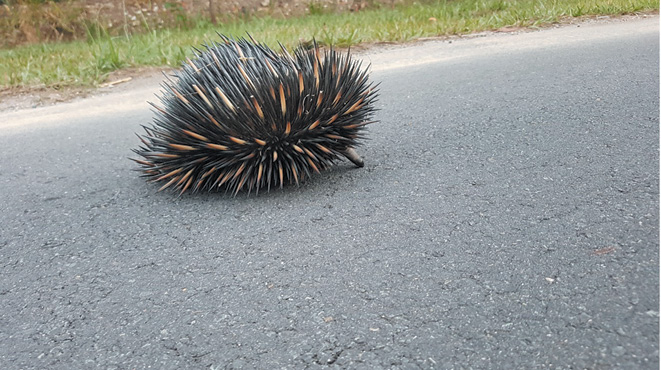
As for echidnas, they’re super cute and wonderfully adaptable. Peak activity for these monotremes is when temperatures sit between 16 and 20 degrees Celsius; therefore, winter in south-east Queensland is ideal for foraging ants and termites. It’s also breeding time!
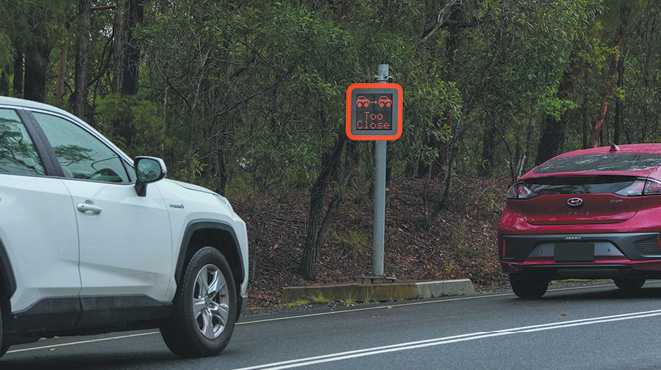
It may be chilly, but remember, there is still plenty of wildlife activity. Drive slowly, especially through vegetated areas, and watch for wildlife on the roads.
Until next time … Stay Wild!
Ranger Stacey