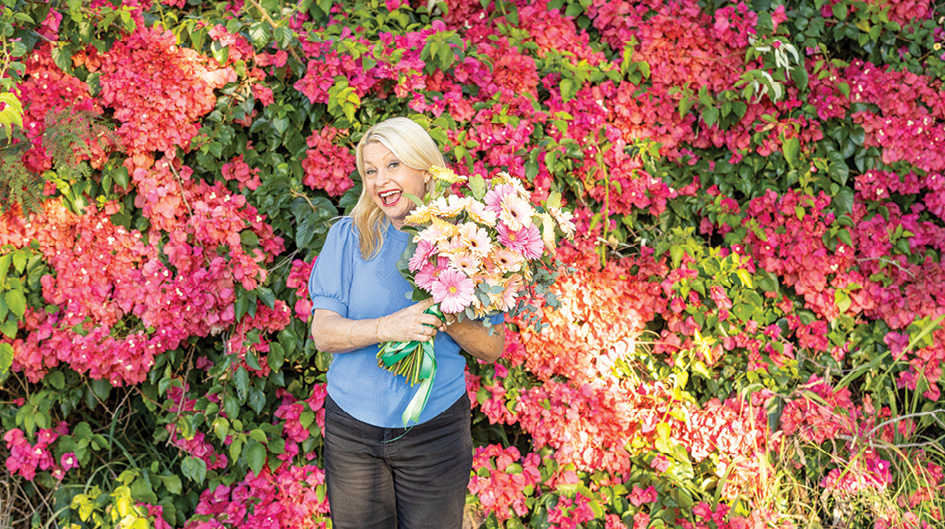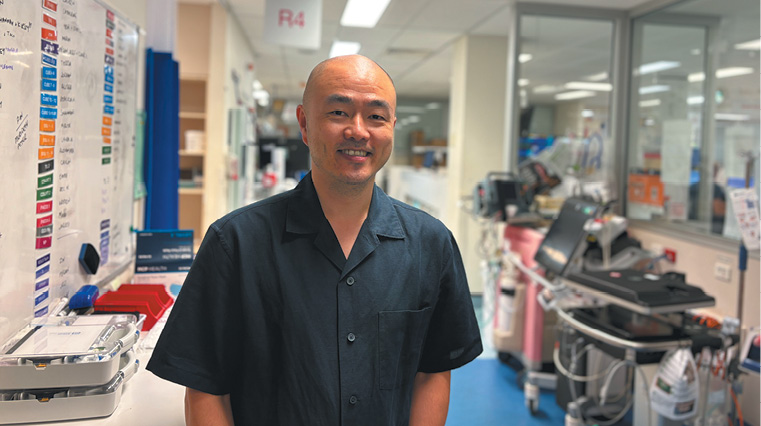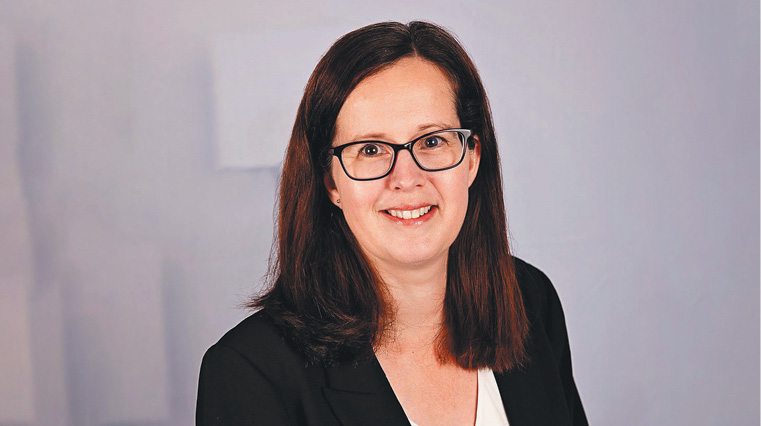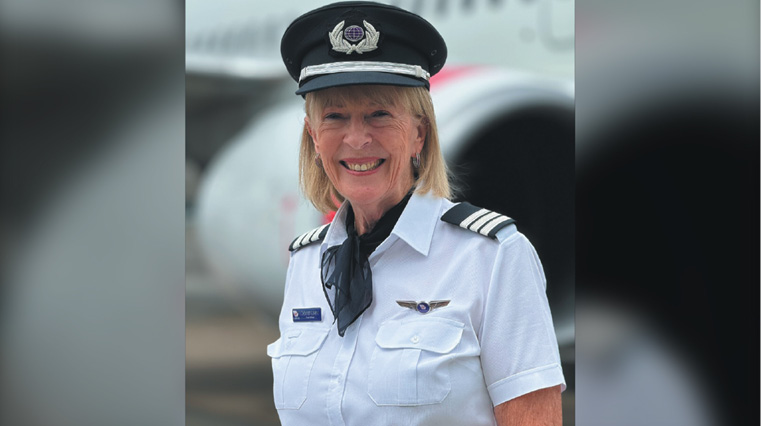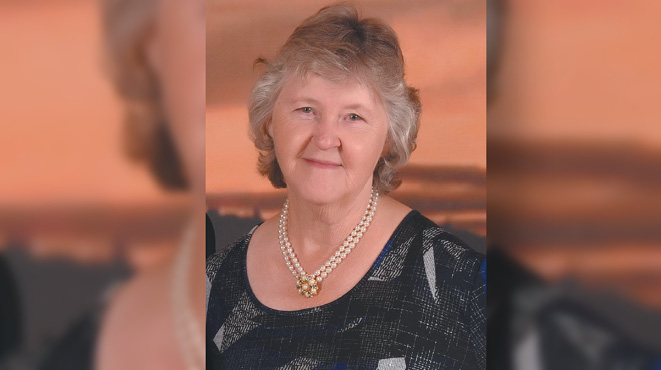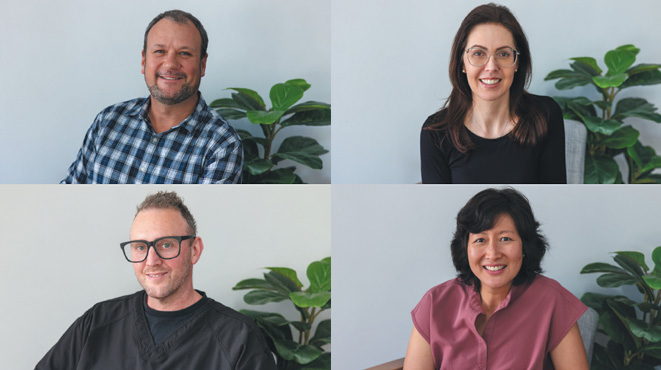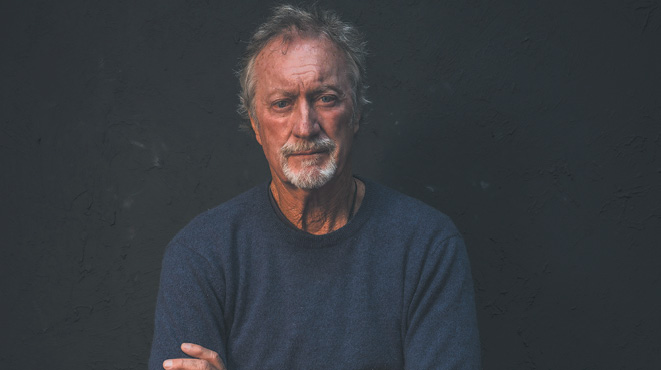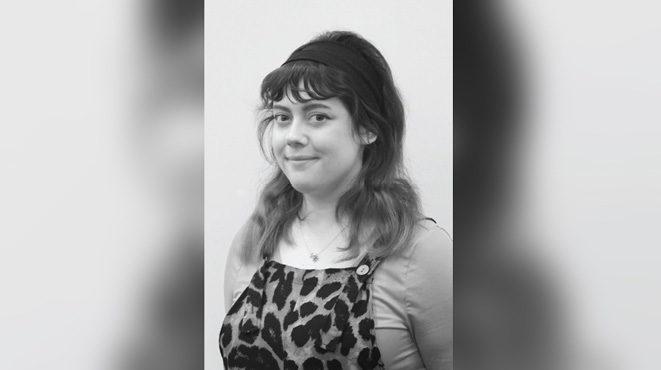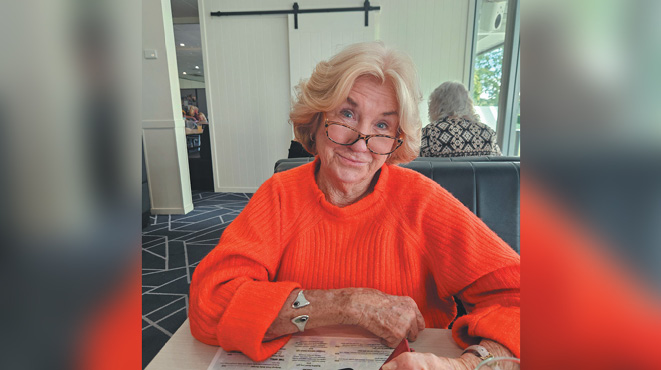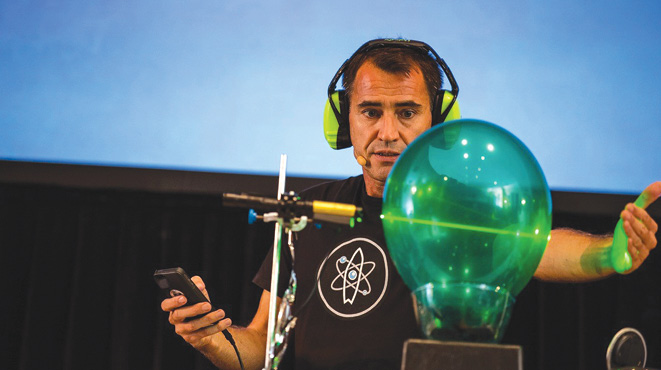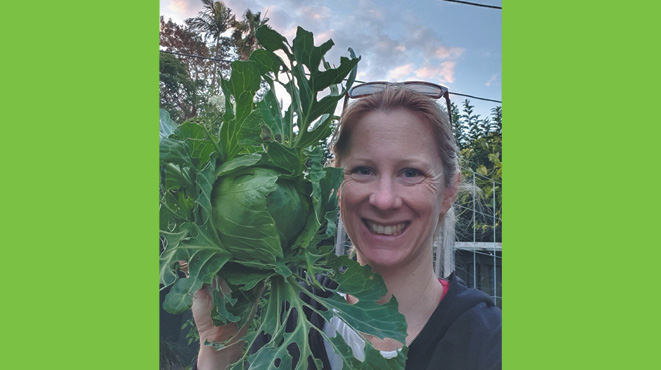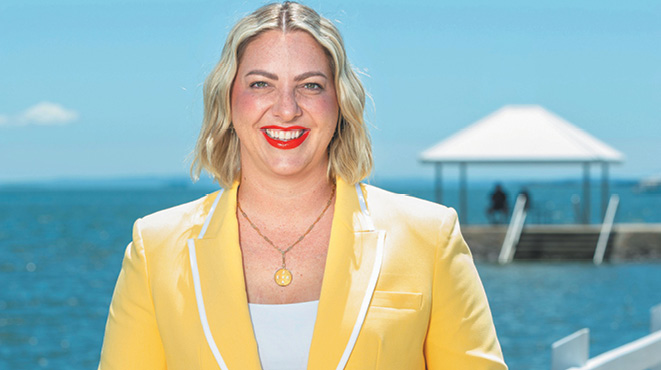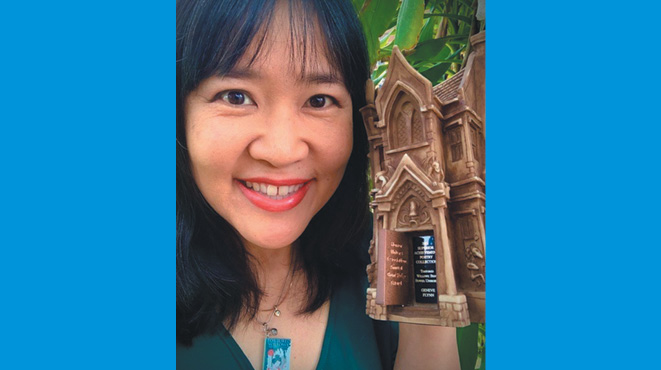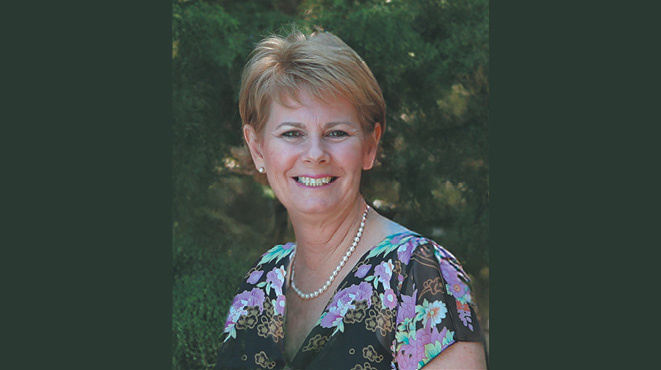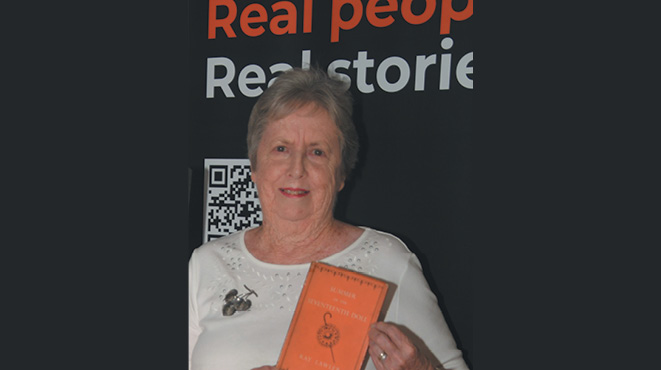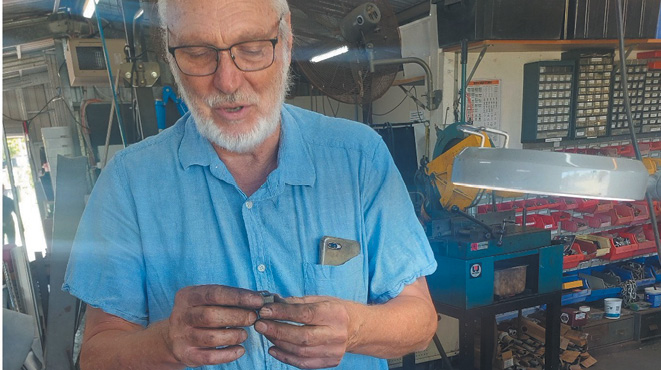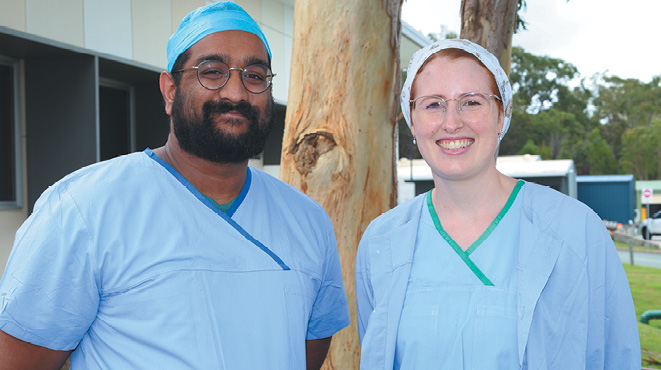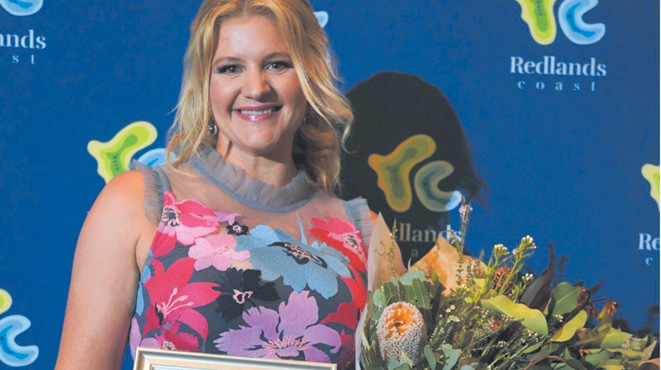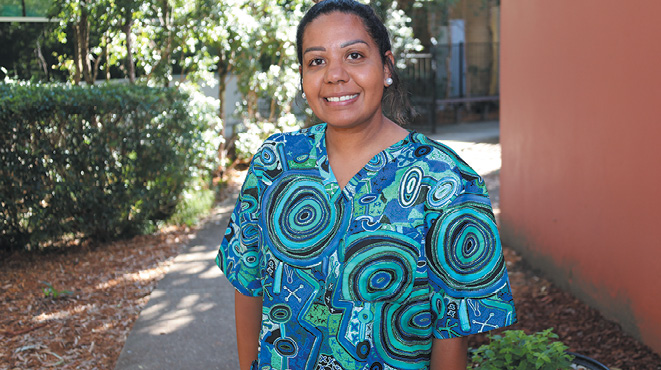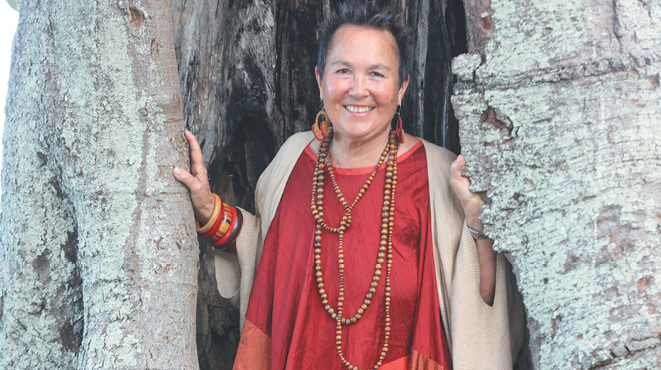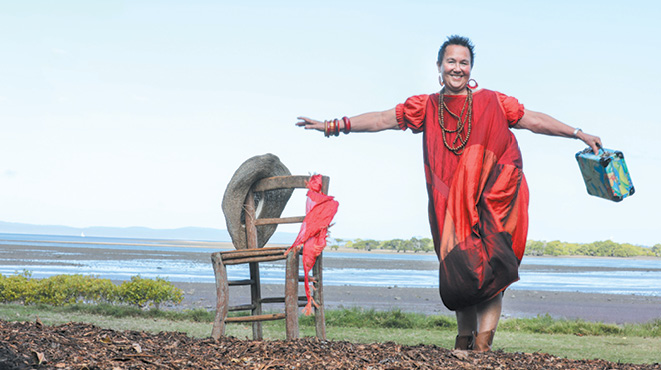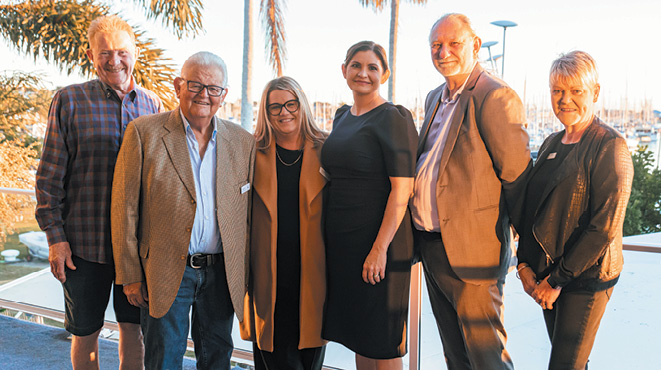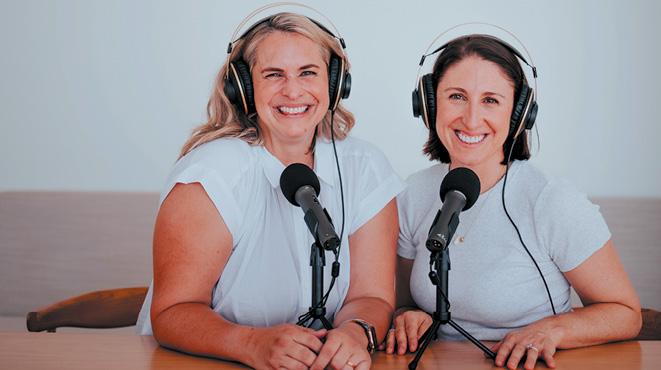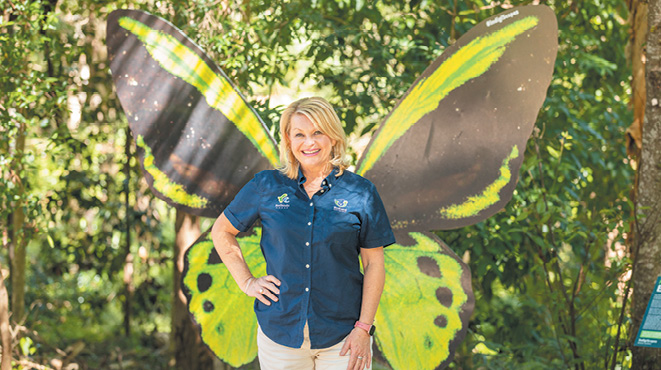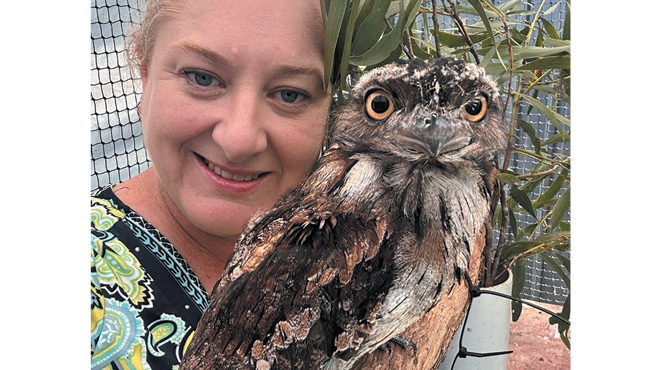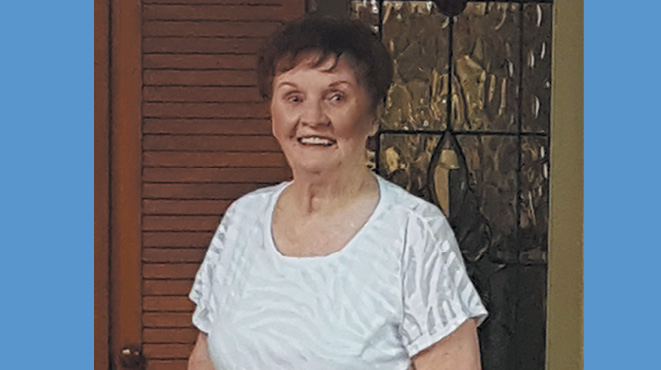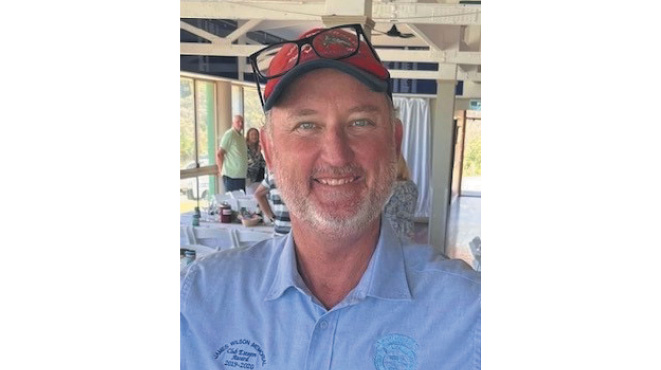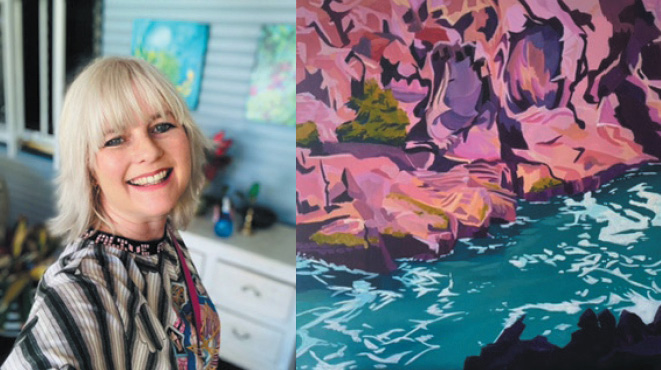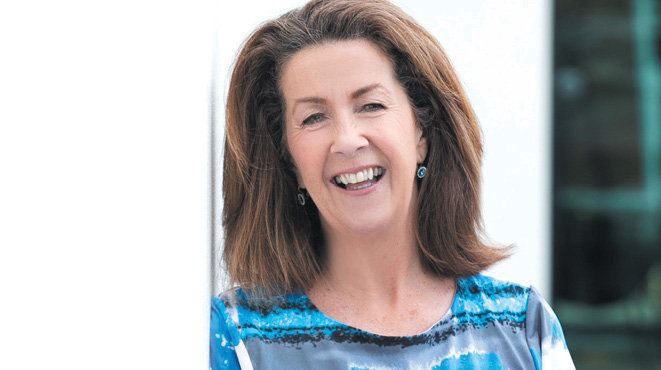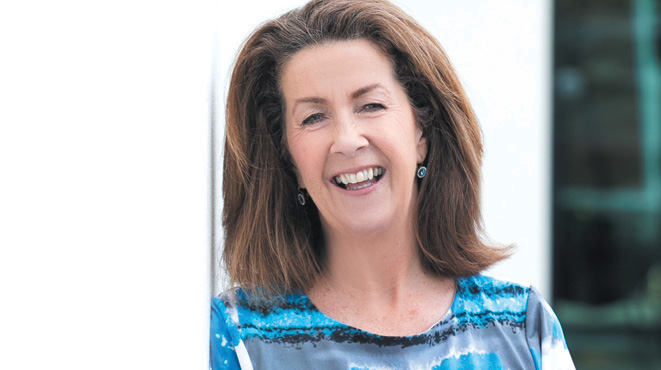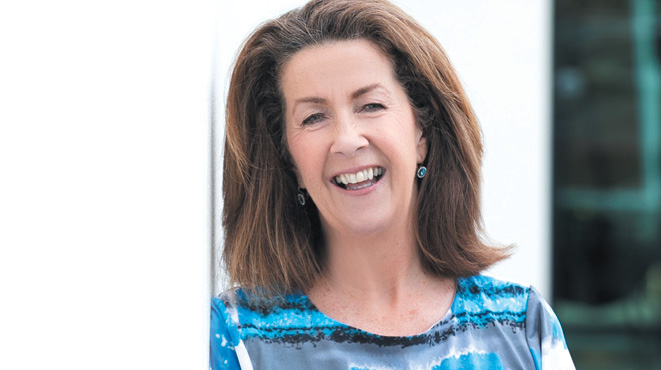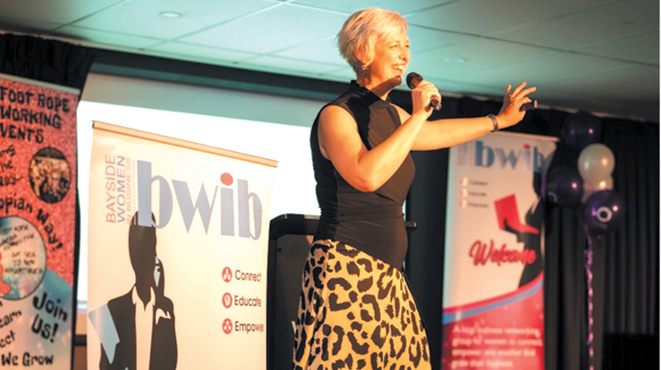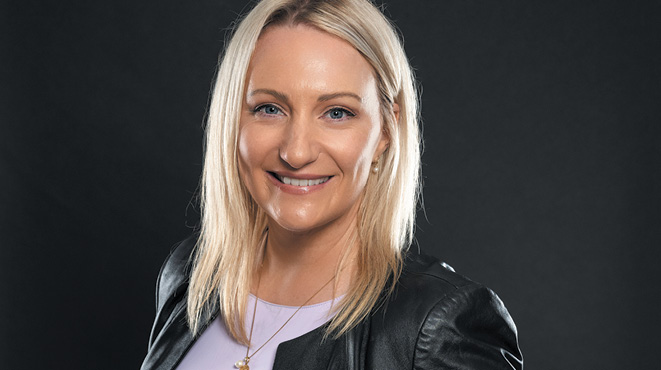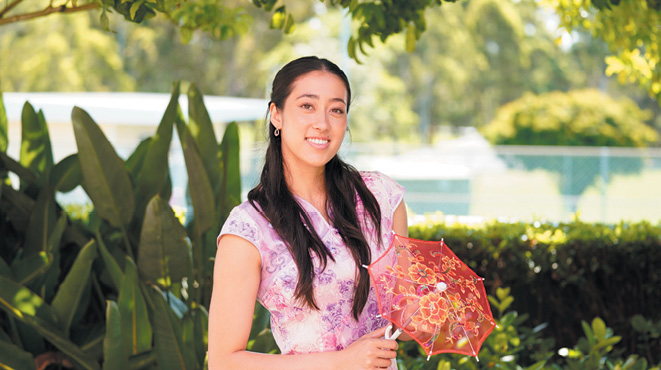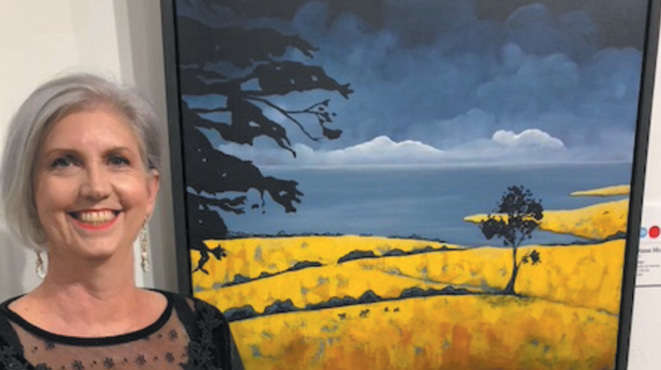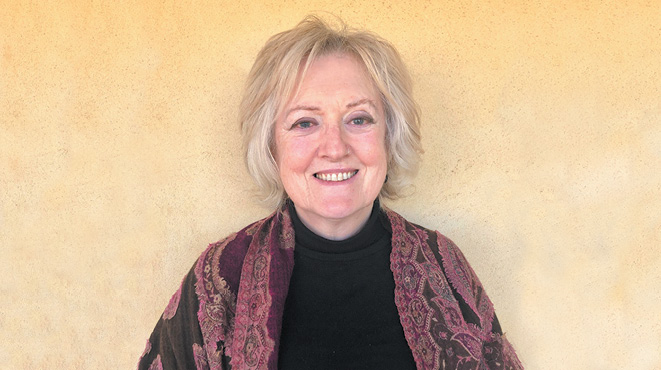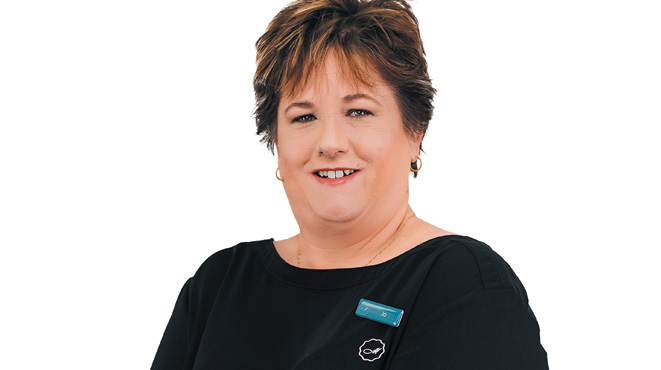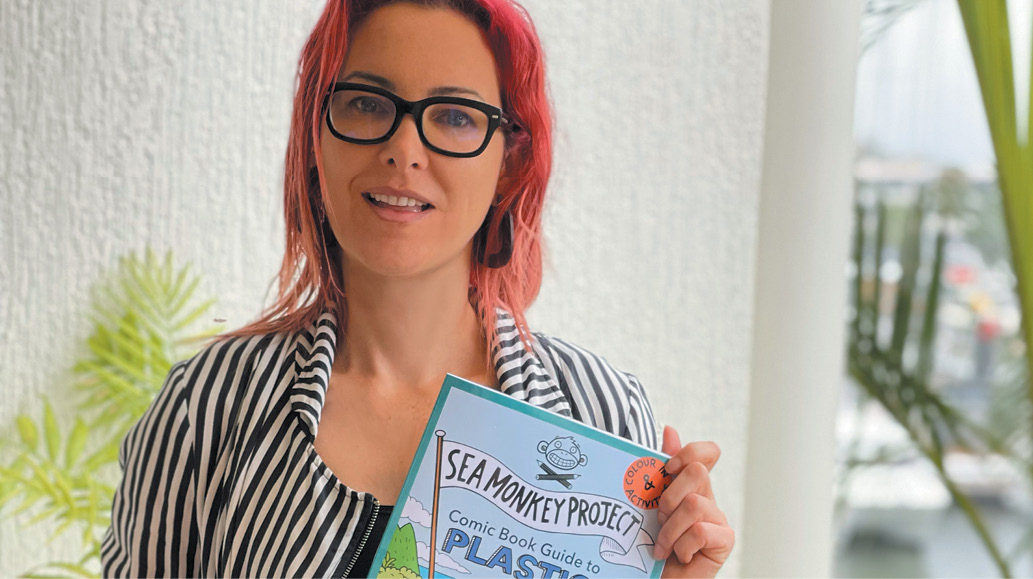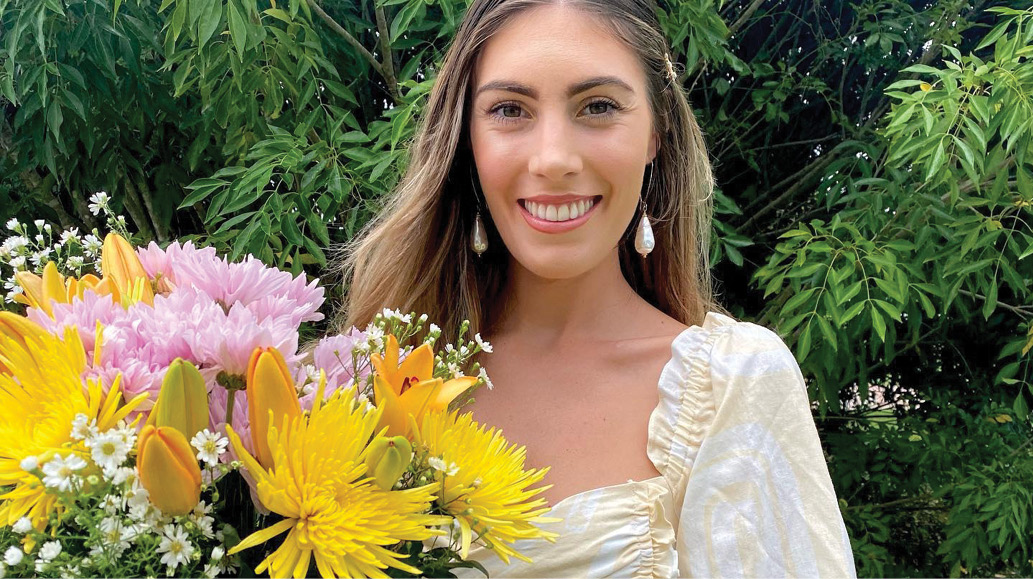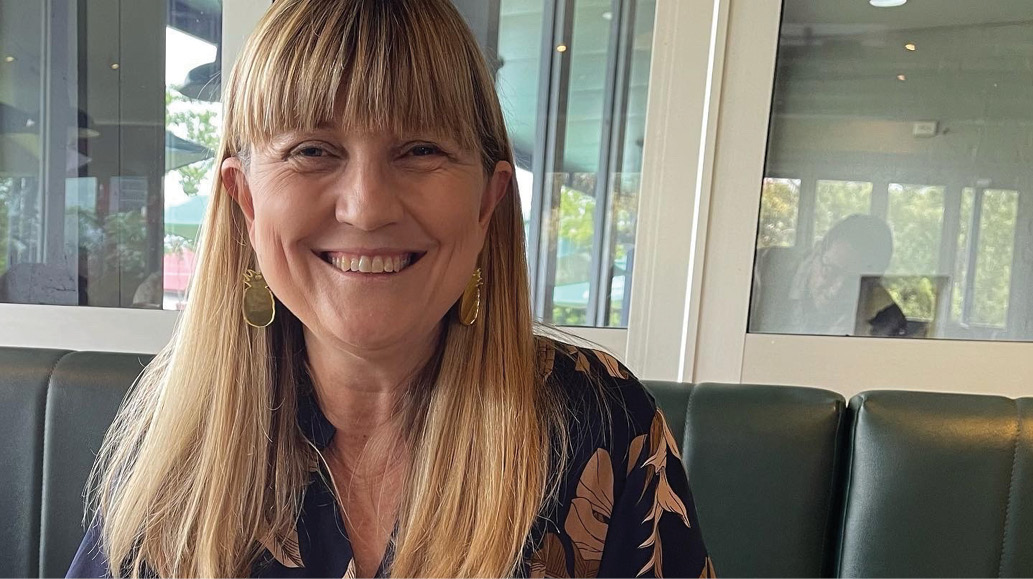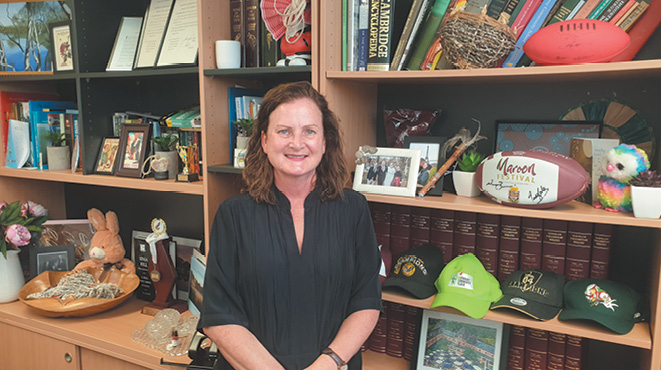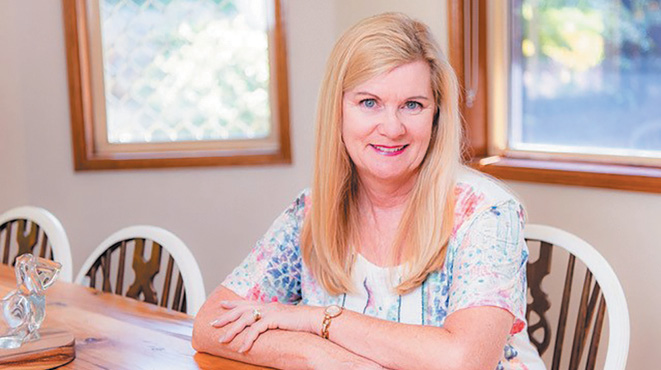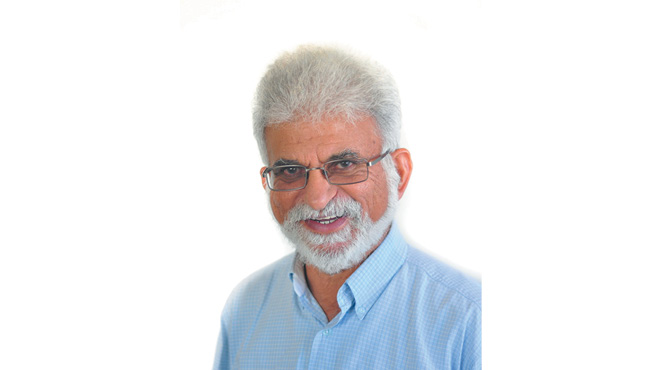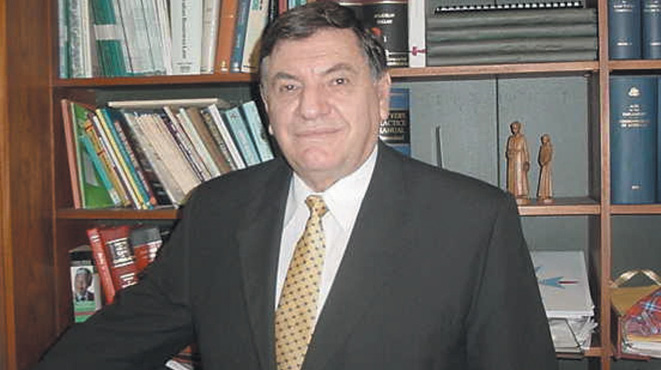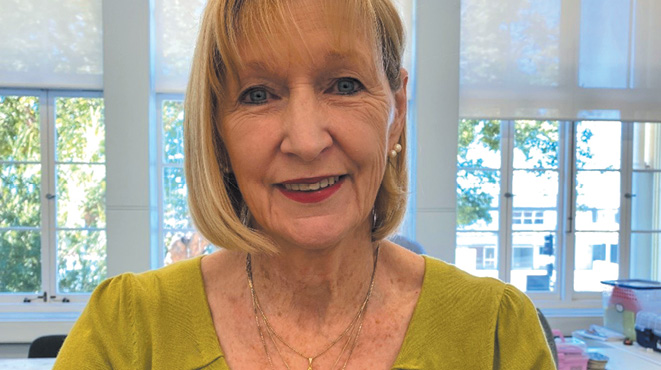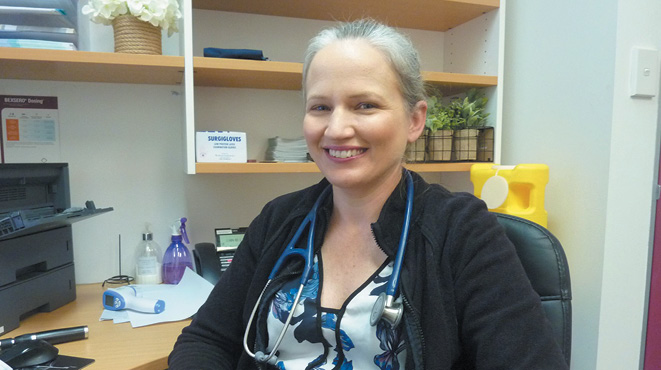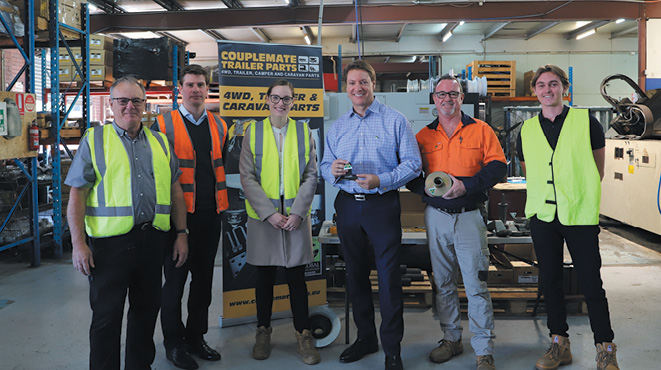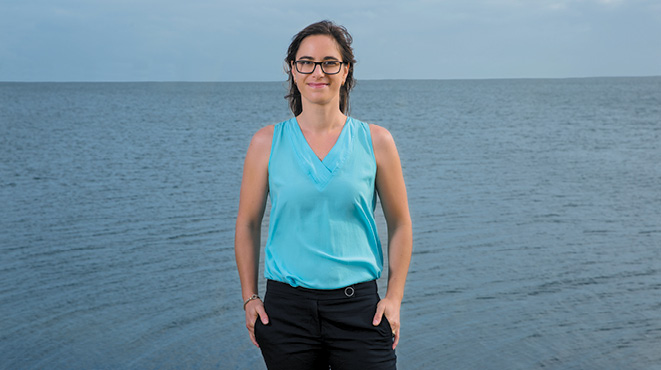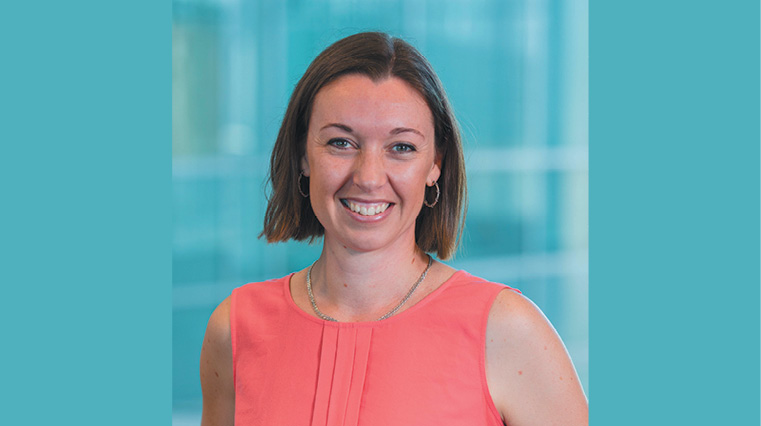
Dr Cassandra Rauert. Photo: Supplied.
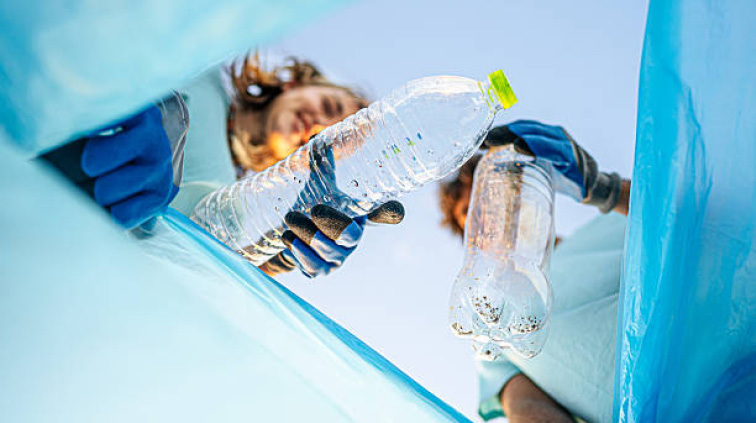
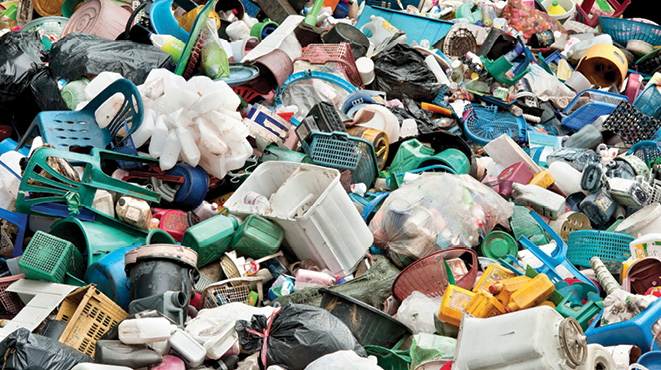
Plastic was hailed as a material that would change the world; waterproof, cheap, adaptable and offering a multitude of applications. But there’s a cost. Dr Cassandra Rauert, QAEHS Senior Research Fellow (University of Queensland), is leading investigations into human exposure to micro and nanoplastics, and the outlook isn’t good.
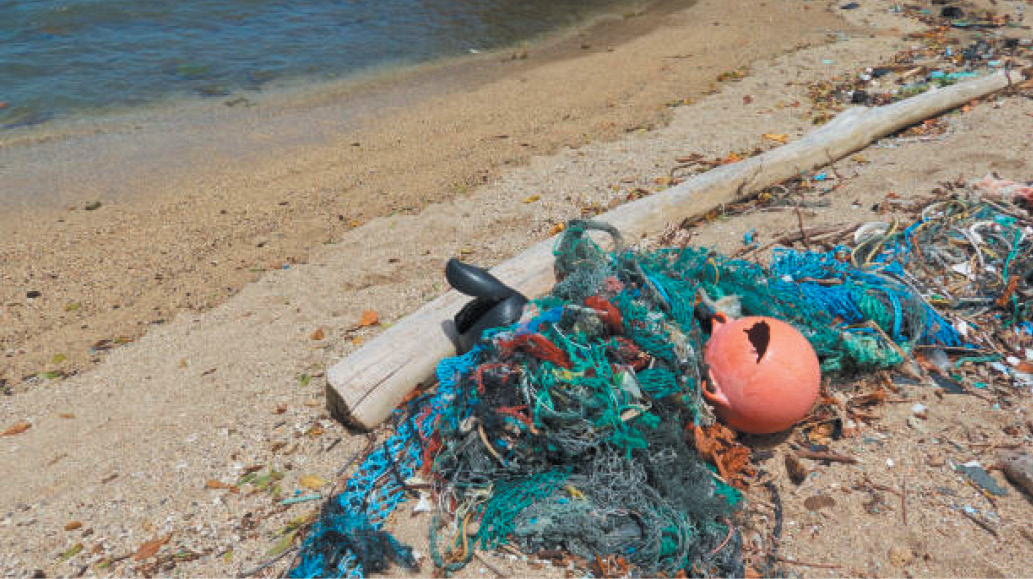
“We deliberately develop some microplastics, such as micro-beads for beauty products – though they’re now banned in some countries – and anti-fouling paint that is designed to shed,” she says, “but the main source of the problem microplastics are the larger pieces of hard plastic that break down into smaller and smaller pieces – and they’re everywhere.”
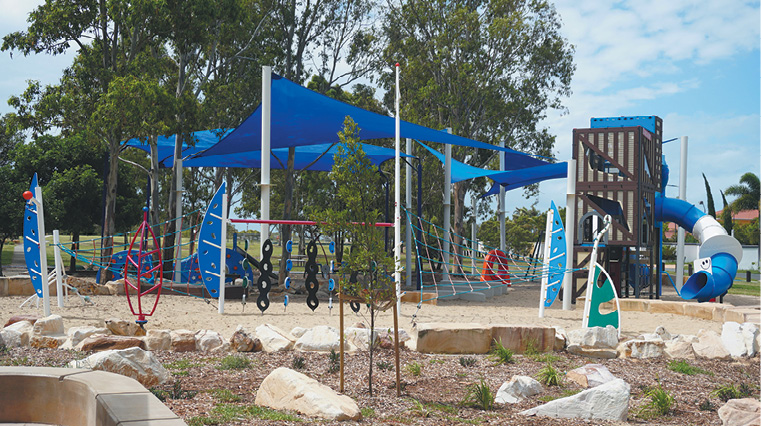
Plastics exposed to UV sunlight and hard plastic food containers exposed to heat – especially cheap food containers in microwaves – degrade into microplastics. Car tyres leave microplastics and a worrying array of chemicals on the road, which are washed into waterways. The tyres, crumb-processed into playground mats, carry the same chemical burden.
“Domestically, breathing and eating provide the two main pathways into our body,” says Dr Rauert. “The air carries fibres from synthetic nylon or polyester fabric, which can be particularly prevalent if we use an indoor-vented tumble dryer. Even filters will only block particles of a certain size, so synthetic fabrics are better dried on the line. Polypropylene carpets and synthetic curtains shed fibres, and some plastic kitchenware contributes to the burden.”
Dr Rauert says that, as yet, we have only a limited understanding of how micro- and nanoparticles enter our bodies and what damage they cause, but there are demonstrated links between the chemicals in plastics and various medical conditions.
“We know that plasticisers, the additives that give plastic its flexibility, are endocrine disruptors that are associated with reproductive health issues. Improvements still have to be made in biodegradable plastics, which often need treatment in a specialist plant to break down properly,” she says.
“The good news is that there are things we can do to make a difference – for our health and for the environment.”
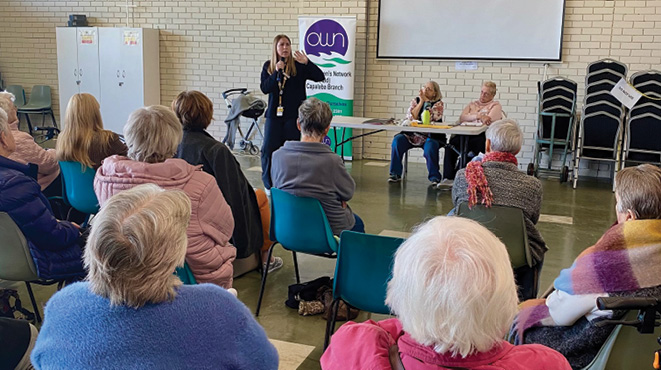
Dr Rauert will present a talk on microplastics and health on Monday, 20 July 2026, 10:00am – 11:00am at Capalaba Library.